
Trees
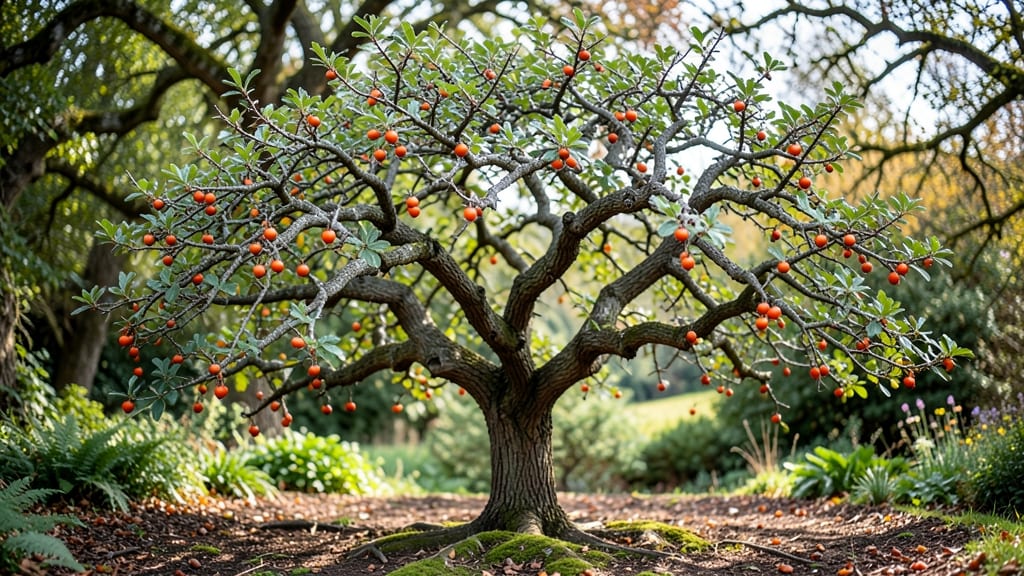
That sun-loving thorn tree with yellow fruit could be the bold centerpiece your yard needs. 🌿 I planted mine three years ago, and now it’s a fragrant, thorny canopy that produces edible berries while keeping pests at bay.
Hawthorns (Crataegus) and loquats (Eriobotrya) are two standout varieties—both thrive with minimal fuss and reward you with vibrant color and sweet-tart fruit. The secret to their success? Full sun and well-draining soil.
These trees tolerate poor soil better than most, but they’ll reward you with healthier growth and bigger harvests if you amend the earth with compost. Pruning is simple: just shape in late winter to remove dead wood and encourage airflow—no complex techniques needed.
By summer, you’ll see clusters of bright yellow blossoms followed by fruit that birds adore but rarely strip clean. The thorns act as natural protection, keeping deer and rabbits away while adding texture to your landscape. With proper care, these trees live for decades, becoming living monuments in your garden.
Perfect for hedges, privacy screens, or standalone specimens. Whether you choose hawthorn for its ornamental berries or loquat for its culinary potential, these trees deliver beauty and utility without demanding constant attention. Let’s get yours growing!
Behind The Colorful Mystery
Those vibrant yellow fruits on your thorn tree aren’t just a pretty sight—they’re a result of fascinating biological and environmental interactions. Understanding why they turn this striking shade helps you nurture the tree and even predict its fruit cycles. Let’s break down the science behind the spectacle.
The most fundamental reason your thorn tree (likely a species like Hawthorn or Crataegus) produces yellow fruit lies in its genetics. Many thorn trees—especially those in the Rosaceae family—evolved to develop brightly colored fruits as a survival strategy. Here’s how it works:
- Seed Dispersal: The bright yellow hue acts as a beacon to birds and mammals, which eat the fruit and later disperse the seeds through their droppings. This ensures the tree’s offspring spread far from the parent plant.
- Phytonutrient Signals: The yellow pigment (often from carotenoids like lutein or zeaxanthin) isn’t just for show—it indicates ripeness and high nutritional value, making the fruit more appealing to wildlife.
- Species-Specific Traits: Some thorn trees, like the Crataegus aestivalis (Mayhaw), are hardwired to produce yellow fruits due to centuries of adaptation. If your tree’s ancestors thrived in similar climates, their genes passed down this trait.
💡 Pro Tip: If you’re growing a grafted thorn tree, the yellow fruit color is likely consistent with the rootstock’s genetic programming. Hybrid varieties may produce slightly different shades, but they’ll still lean toward yellow or orange.
Sunlight is the primary driver behind the yellow pigmentation in these fruits. Here’s the science:
- Photosynthesis Boost: Thorn trees need full sun (6+ hours daily) to produce energy-rich fruits. The yellow color deepens as the fruit matures because sunlight triggers the breakdown of green chlorophyll, revealing underlying carotenoids.
- Temperature Impact: Warmer days (70–85°F) accelerate carotenoid production. Cooler climates may result in paler yellow fruits or delayed ripening.
- Shade Stress: If your tree is partially shaded, the fruits might turn greenish-yellow or lack vibrancy. This happens because insufficient light limits photosynthesis, reducing the tree’s ability to synthesize pigments.
🌡️ Actionable Fix: Monitor your tree’s sunlight exposure. If it’s in a shady spot, consider pruning nearby obstructions or transplanting it to a sunnier location. A south- or west-facing spot is ideal for maximizing fruit color.
While sunlight sets the stage, water and nutrients fine-tune the fruit’s color and quality. Imbalances here can lead to dull or uneven yellowing:
| Factor | Effect on Fruit Color | Solution |
|---|---|---|
| Inconsistent Watering | Fruits may develop patchy yellow-orange hues or shrivel, reducing pigment intensity. | Water deeply 1–2 times per week (adjust for clay/sandy soil). Drought stress halts carotenoid production. |
| Nitrogen Overload | Lush foliage but pale, green-tinged fruits (nitrogen promotes leaf growth over fruit development). | Switch to a balanced fertilizer (e.g., 10-10-10) or add phosphorus-rich compost to boost fruiting. |
| Calcium Deficiency | Fruits may turn yellow prematurely but remain small or develop brown spots. | Apply crushed eggshells or lime to soil in early spring. |
| Potassium Shortage | Dull yellow fruits with poor sweetness or firm texture. | Use a banana peel compost tea or wood ash (sparingly) to replenish potassium. |
✨ Expert Insight: Thorn trees are surprisingly drought-tolerant once established, but their fruits thrive with consistent moisture. Mulching with straw or wood chips helps retain soil moisture and regulates temperature, which indirectly supports vibrant yellow hues.
Even the most genetically perfect thorn tree needs pollinators to produce those eye-catching yellow fruits. Here’s how it works:
- Cross-Pollination: Many thorn trees (e.g., Hawthorn) require two different varieties to pollinate each other for optimal fruit set. If your tree is isolated, it may produce fewer or smaller fruits with less intense color.
- Bee And Bird Activity: Bees transfer pollen between flowers, while birds (like orioles) may help with pollination in some species. A lack of pollinators = fewer fruits and potentially duller yellow tones.
- Timing Matters: Thorn trees bloom in spring. If temperatures drop below 50°F during bloom, pollinators become less active, reducing fruit development.
👨🍳 What You Can Do:
- Plant a second variety of thorn tree within 50 feet to encourage cross-pollination.
- Attract pollinators with native flowering plants (e.g., lavender, coneflowers) near your tree.
- Avoid pesticides during bloom—neonicotinoids can harm bees.
By understanding these four key drivers—genetics, sunlight, nutrients, and pollination—you’ll not only unlock the secret behind those stunning yellow fruits but also ensure your thorn tree thrives year after year. 🌟
Revive Your Thorn Tree’s Health
Reviving a thorn tree with yellowing fruit—or preventing it from happening—starts with identifying the root cause and taking targeted action. Below, we break down practical fixes for common issues, paired with prevention tips to keep your tree thriving.
Whether it’s nutrient deficiencies, pests, or environmental stress, these solutions are designed to be easy to follow and effective.
Yellow fruit (or leaves) often signals a lack of essential nutrients. Here’s how to diagnose and correct the issue:
💡 Cause: Nitrogen Deficiency (Pale Yellow Leaves/Fruit)
Solution:
- Apply a balanced fertilizer (10-10-10 or 20-20-20) in early spring, following package instructions.
- Use organic options like composted manure or blood meal for a slow-release boost.
- Mulch heavily (3–4 inches of wood chips or pine straw) to retain soil nitrogen.
Prevention Tip: 🌡️ Test your soil annually (pH 6.0–7.0 is ideal). If nitrogen levels drop, top-dress with compost in fall.
🍊 Cause: Potassium or Magnesium Deficiency (Yellow Edges, Weak Fruit)
Solution:
- For potassium: Use a potassium sulfate fertilizer or banana peel tea (steep peels in water for 24 hours, then dilute 1:1 with water and spray foliage).
- For magnesium: Apply Epsom salt (1 tbsp per gallon of water) as a foliar spray every 2 weeks until symptoms improve.
Prevention Tip: ✨ Avoid overwatering—excess moisture flushes nutrients from the soil. Drip irrigation or soaker hoses help maintain steady moisture without waterlogging.
Pests like aphids, scale, or fungal infections (e.g., powdery mildew) can drain your tree’s energy, leading to yellowing fruit.
🔥 Cause: Aphids or Scale Insects (Sticky Sap, Curling Leaves) Solution:
- Blast them off with a strong spray of water (early morning works best).
- Use insecticidal soap (1–2 tbsp per gallon of water) or neem oil (1 tsp per quart of water + a drop of dish soap as an emulsifier).
Spray every 5–7 days until pests vanish. - Introduce beneficial insects like ladybugs or lacewings for long-term control.
Prevention Tip: 🌿 Plant marigolds or garlic nearby—their strong scents repel pests naturally.
🍄 Cause: Fungal Issues (Powdery Mildew, Rust Spots)
Solution:
- Prune infected branches immediately (sterilize shears with rubbing alcohol between cuts).
- Apply copper fungicide (follow label rates) or a baking soda spray (1 tbsp baking soda + 1 tsp dish soap + 1 gallon water).
- Improve airflow by thinning dense foliage and spacing trees 6–8 feet apart.
Prevention Tip: ⏰ Water early in the day so leaves dry quickly—fungi thrive in damp conditions.
Heat, drought, or poor drainage can stress your tree, causing fruit to yellow prematurely.
💧 Cause: Underwatering or Overwatering (Drooping, Wilting, Yellow Fruit)
Solution: - Check soil moisture 2 inches below the surface—if dry, water deeply (1–2 inches per week).
If soggy, let it dry out before watering again. - Install a moisture meter or use the "squeeze test" (grab a handful of soil; if it crumbles, it’s dry). - Add organic matter (compost or coconut coir) to improve drainage in heavy clay soils.
Prevention Tip: 🎯 Mulch properly—keep mulch 3 inches away from the trunk to prevent rot while retaining moisture.
🌡️ Cause: Extreme Heat or Sun Scorch (Bleached, Crispy Edges)
Solution:
- Provide afternoon shade with a lightweight shade cloth (30–50% coverage) during peak summer months.
- Mulch heavily to insulate roots and reduce soil temperature.
- Water deeply in the early morning to reduce evaporation.
Prevention Tip: 🌿 Choose a slightly sheltered location (e.g., near a fence or building) to buffer wind and intense sun.
Overgrown or improperly pruned thorn trees struggle to produce healthy fruit.
🔪 Cause: Overcrowded Branches (Small, Yellow Fruit)
Solution:
- Prune in late winter/early spring before new growth starts.
- Remove 1/3 of the oldest branches to improve airflow and sunlight penetration.
- Thin out crossing branches to reduce competition for nutrients.
Prevention Tip: 🌿 Prune annually—focus on open-center shaping to encourage sunlight to reach all fruit.
Final Pro Tip: 📊 Monitor your tree monthly—catch issues early (like yellowing leaves or pest clusters) before they escalate. A little maintenance now saves hours of cleanup later!
Frequently asked questions
What are the most common types of thorn trees with yellow fruit?
The two most popular varieties are Hawthorn (Crataegus)—known for its ornamental berries and fragrant spring blooms—and Loquat (Eriobotrya), which produces sweet, edible fruit. Hawthorns thrive in temperate climates, while loquats prefer warmer regions. Both have protective thorns and vibrant yellow blossoms.
Are the yellow fruits on thorn trees edible?
It depends! Hawthorn berries are edible but tart, often used in jams or teas. Loquat fruits are sweet and delicious when ripe. Always verify the species before consuming—some ornamental varieties may not be safe for eating.
How do I protect my hands from thorns when harvesting fruit?
Wear thick gardening gloves with reinforced palms, or use long sleeves and a face shield for extra protection. For delicate tasks, try gently shaking branches over a tarp to catch falling fruit. Pruning shears with long handles also help avoid close contact with thorns.
Can thorn trees with yellow fruit grow in containers?
Dwarf varieties of hawthorn or loquat can thrive in large containers (at least 18-inch diameter), but they’ll need regular pruning to control size. Use well-draining soil and ensure the pot has drainage holes. Container-grown trees may produce fewer fruits than those in the ground.
Why aren’t my thorn tree’s fruits turning yellow?
Yellow fruit development often requires full sun (6+ hours daily) and proper pollination. Check for nutrient deficiencies (especially potassium) or pests like aphids that may stress the tree. If fruits stay green, they may need more sunlight or cross-pollination from another variety.