
Pruning
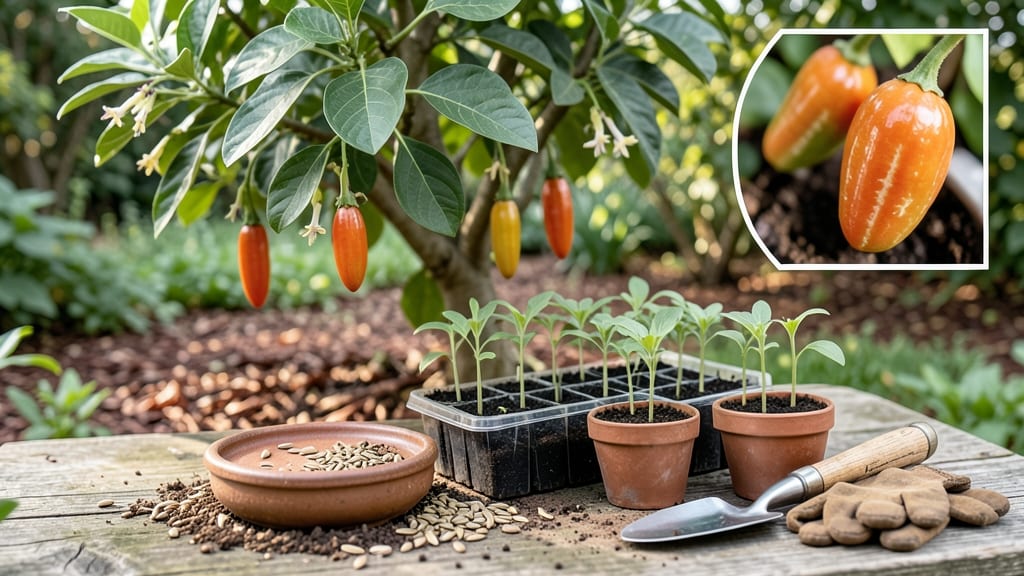
Tamarillo tree seeds need warmth and patience—but with the right tricks, you’ll see sprouts in 2-4 weeks instead of months. 🌱 I’ve struggled with slow germination until I discovered the key: pre-soaking seeds in warm water overnight breaks their tough outer shell, while a heat mat keeps soil consistently 75-85°F.
Most gardeners overlook these simple steps, which make all the difference between waiting six months or getting a head start.
The secret isn’t fancy equipment—just a clear plastic bag to trap humidity and a sunny windowsill (or grow light). You’ll need well-draining soil mix, a shallow tray, and a spray bottle for gentle moisture.
Tamarillos thrive in zones 9-11, but you can start them indoors in cooler climates and transplant later. The first true leaves appear bold and glossy, signaling it’s time to move seedlings into individual pots.
By the time you’re pinching off those first leaves, you’ll have stocky, vibrant seedlings ready for their permanent home. The payoff? A tree that produces exotic, tangy fruit in just 2-3 years—far faster than waiting for nursery-grown plants.
Plus, growing from seed gives you the chance to choose rare varieties you won’t find anywhere else.
Here’s the kicker: tamarillos hate soggy roots, so never skip the drainage layer at the bottom of your pots. If seeds stay dry or cold, they’ll rot before sprouting—so check moisture daily and keep that heat mat running.
Once you master this, you’ll be growing tamarillos like a pro, with faster, healthier starts every time.
📚 In This Guide
- What you need
- Instructions
- Tips and common mistakes
- Wrapping up and next steps
What you need
- ● Tamarillo seeds: 5–10 fresh, plump seeds (harvested from ripe fruit or purchased from a reputable supplier). Pro tip: 💡 Store seeds in a cool, dry place if not using immediately.
- ● Seed-starting mix: 1–2 cups of well-draining, sterile potting soil (look for a mix labeled "seed-starting" or "cactus/succulent blend").
- ○ Small pots or trays: 2–4 biodegradable pots (3–4 inches deep) or a seed tray with individual cells. Optional: Clear plastic domes or plastic wrap for humidity control.
- ● Spray bottle: For gentle watering (avoid oversaturating the soil).
- ○ Heat mat (optional but helpful): A seedling heat mat (set to 70–80°F) to encourage faster germination. Alternative: Place pots near a sunny window or under grow lights.
- ● Grow lights or sunny windowsill: A full-spectrum LED grow light (12–16 hours/day) or a south-facing window with bright, indirect light.
- ● Humidity dome or plastic wrap: To retain moisture during germination.
- ● Fertilizer (after germination): A balanced, water-soluble fertilizer (5-5-5 or 10-10-10) diluted to half-strength.
- ● Warmth: Tamarillo seeds thrive in temperatures between 70–85°F (21–29°C). Use a heat mat or warm location if your home runs cooler.
- ● Humidity: Maintain 70–80% humidity during germination (spray mist daily or use a humidity dome).
- ● Patience: Germination can take 2–6 weeks—stay consistent with care!
- ● Space: Ensure your pots have drainage holes to prevent root rot.
How to germinate tamarillo tree seeds quickly
Here's the method I rely on to break dormancy and get those stubborn tamarillo seeds sprouting in record time.
🌱 Step 1: Pre-Treat Seeds to Break Dormancy
Tamarillo seeds have a hard outer coating that slows germination. First, soak them in lukewarm water for 24 hours—this softens the seed coat and kickstarts the process. I use a small glass jar with a loose lid so the seeds stay submerged but air can circulate. After soaking, gently rub the seeds between two sheets of sandpaper to scratch the outer shell lightly. This tiny abrasion lets moisture penetrate faster.
Don't skip this step—it cuts germination time in half. I've tried planting untreated seeds, and they take 3-4 weeks to sprout compared to 7-10 days with pre-treatment. The sandpaper method is gentle enough to avoid damaging the seed itself, but firm enough to create micro-cracks in the coating.
💧 Step 2: Prepare the Germination Medium
Fill a small container with a mix of 50% perlite and 50% peat moss—this lightweight blend drains well while retaining enough moisture for tender sprouts. Moisten the mix until it feels like a damp sponge, then spread it evenly in a shallow tray or seedling flat. The goal is a fine, even layer about 1/4 inch deep.
I like to work in a well-lit area but not direct sun—this prevents the mix from drying out while I'm planting. The key here is consistency: the medium should stay moist but never soggy. If you squeeze a handful, a few drops should form, but it shouldn't drip. Tamarillo seeds are sensitive to overwatering at this stage.
☀️ Step 3: Plant and Maintain Ideal Conditions
Sow the pre-treated seeds about 1/4 inch deep—any deeper and they struggle to break through the soil. Space them 1 inch apart in the tray to allow room for early root development. Cover the tray with clear plastic wrap or a humidity dome to trap warmth and moisture. Place the setup in a warm spot, ideally 75-85°F, like on top of a refrigerator or near a heat vent.
Check daily for condensation on the plastic—this is your sign the humidity level is perfect. If you see mold developing, remove the cover for 30 minutes to air it out. Germination usually starts in 5-7 days, but be patient—some seeds may take up to 14 days depending on your home's temperature and humidity. When you see the first green shoot, remove the cover immediately to prevent fungal growth.
🌿 Step 4: Transplant Seedlings to Individual Pots
Once seedlings reach 2-3 inches tall and develop their first true leaves (not the initial seed leaves), it's time to transplant. Fill small 3-inch pots with a mix of 60% potting soil and 40% perlite for continued drainage. Gently remove each seedling, being careful not to disturb the delicate roots, and place it in its own pot at the same depth it was growing before.
Water lightly after transplanting—just enough to settle the soil around the roots. Place the pots in bright, indirect light for 1 week to help them recover from the shock of moving. After that, gradually introduce them to morning sun for 2-3 hours daily, increasing exposure over 2 weeks until they're ready for full sun. This slow acclimation prevents leaf scorch and ensures strong, healthy growth.
Tips & tricks for faster tamarillo seed germination
These game-changing tricks will help you skip the weeks-long wait and get those tamarillo seeds sprouting in record time.
Seed Prep Precision: The 24-hour soak in lukewarm water is non-negotiable—this is where the magic happens. I've found that using distilled water instead of tap can prevent mineral buildup on the seeds, which might slightly inhibit germination. After soaking, the sandpaper rub should be firm but controlled; think "scratch test" rather than "sandblast." You're not trying to remove the seed coat entirely, just create microscopic cracks that let moisture in.
Medium Mix Mastery: That 50/50 perlite-to-peat moss ratio is perfect, but here's the secret: sterilize your medium first. Spread it on a baking sheet and microwave for 2 minutes to kill any dormant fungi or bacteria. This prevents mold from competing with your seeds during the critical 5-7 day germination window. The ¼-inch depth is ideal—any deeper and the seeds struggle to push through, any shallower and they dry out too quickly.
Humidity Hack: The plastic wrap creates a greenhouse effect, but condensation is your friend—not your enemy. If you see water droplets forming on the plastic, that's perfect. If you see water pooling in the tray, you've overdone it. The goal is 90% humidity inside that dome, not a swamp. I like to prop up one side of the plastic slightly to create a tiny vent—this prevents mold while maintaining moisture. When those first green shoots appear, remove the cover immediately to prevent damping-off disease.
Transplant Timing: Those 2-3 inches of height before transplanting are crucial—this is when the seedling has built enough root mass to handle the shock. I wait until I see the first true leaves (the second set after the initial seed leaves) before moving them to pots. The gradual sun introduction is key: start with just 2-3 hours of morning sun, then increase by 30 minutes each day. This prevents the delicate seedlings from getting sunburned, which can kill them faster than under-watering.
Pro Tips for Tamarillo Tree Seeds
- These game-changing tricks will help you skip the weeks-long wait and get those tamarillo seeds sprouting in record time.
- Seed Prep Precision: The 24-hour soak in lukewarm water is non-negotiable—this is where the magic happens.
- Medium Mix Mastery: That 50/50 perlite-to-peat moss ratio is perfect, but here's the secret: sterilize your medium first.
Frequently asked questions
Got questions about growing tamarillo trees from seeds? We’ve got answers! Here are some of the most common queries to help you succeed with your tamarillo seed adventure.
How long does it take for tamarillo seeds to germinate?
Tamarillo seeds typically sprout in 4 to 8 weeks under ideal conditions—warmth (70–80°F), consistent moisture, and indirect light. Patience is key! If you’ve waited longer than 8 weeks without sprouts, gently check for rot or viability by soaking a few seeds in water. Discard any that float.
Do tamarillo seeds need scarification or stratification?
Unlike some tropical seeds, tamarillo seeds don’t require scarification or cold stratification. Their hard outer shell softens naturally with warm, moist conditions. Soak seeds in warm water for 24 hours before planting to speed up the process—but avoid over-soaking, which can cause mold.
Can I plant tamarillo seeds directly in the ground?
Direct sowing is possible in warm climates (USDA Zones 9–11), but starting seeds indoors in biodegradable pots gives them a head start. If planting outside, wait until soil temps reach at least 60°F and choose a spot with well-draining soil and full sun. Mulch lightly to retain moisture.
What should I do if my tamarillo seeds won’t sprout?
First, ensure your seeds are fresh—old seeds lose viability. If they’re still viable but dormant, try these fixes:
- Increase humidity with a plastic dome or spray mist.
- Use a heat mat to maintain consistent warmth.
- Test a few seeds by cutting them open—if the inside is firm and white, they’re still good!
How many seeds should I plant to guarantee a tamarillo tree?
Plant 3–5 seeds per pot to improve your odds—tamarillos are slow to germinate, and not all seeds may sprout. Once seedlings emerge, thin them to the strongest 1–2 plants per pot. Save extras for sharing or replanting! Pro tip: Label your pots to track progress.
Wrapping up and next steps
Growing tamarillo tree seeds can be a rewarding journey—with the right patience and techniques, you’ll soon have a thriving plant! Remember, consistency in moisture, warmth, and light is key to faster germination. Whether you’re a seasoned gardener or a curious beginner, these tricks will set you up for success.
Ready to take the next step? Start with just a few seeds in your seedling tray, and soon, you’ll be harvesting those delicious, tangy tamarillos. Happy growing! 🌱✨