
Propagation
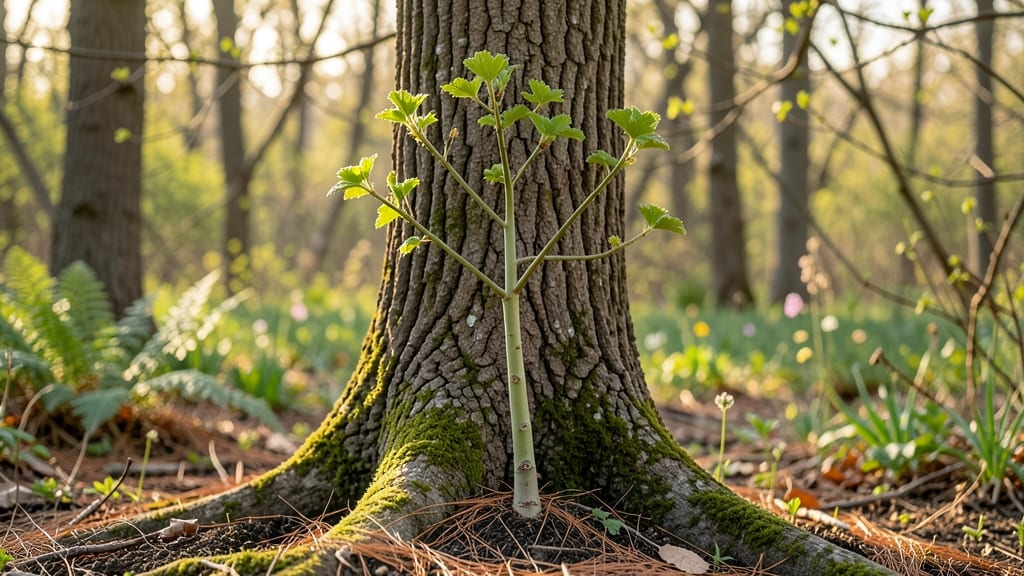
That stubborn tree sprouting from your base isn't just a nuisance—it's a free transplant waiting to happen. 🌱 I've wrestled with these rooted stems for years, and the right approach turns them from weeds into useful cuttings or finally solves the overgrowth problem for good.
Most of these sprouts are root suckers from the parent tree or stump regrowth—nature's way of recycling. Some are basal shoots that form when the tree sends up new growth at ground level.
The good news? You can control them with simple tools like pruners, vinegar treatments, or even transplant them to new spots in your yard.
By the end of this process, you'll have a cleaner tree base and either new plants for your landscape or a properly managed tree. The key is timing—remove them in late winter or early spring when the tree isn't actively growing, and always use clean, sharp tools to prevent disease.
For stubborn cases or valuable trees, knowing when to call an arborist makes all the difference. Let's get those sprouts under control without harming your main tree—it's easier than you think!
Natural Growth Cycles Explained
When you spot a tree sprouting from its base, it’s often a sign of nature’s resilience at work. But why does this happen? The answer lies in the tree’s biology, environmental cues, and even human intervention. Let’s break down the science behind this fascinating phenomenon.
Many trees store dormant buds at their base, waiting for the right conditions to sprout. These buds, called suckers or sprouts, form from the tree’s root system or stem tissue.
When the tree senses favorable conditions—like warmth, moisture, or reduced competition from the main trunk—the buds break dormancy and grow into new shoots.
💡 Pro Tip: Some trees, like willows, poplars, and fruit trees (such as apples and cherries), are especially prone to this because they evolved to regenerate easily after damage or pruning.
If a tree’s roots are disturbed—whether by injury, transplanting, or even soil compaction—they may produce new shoots to compensate. This is the tree’s way of ensuring survival.
When roots are cut or damaged, hormones like auxin (a growth regulator) shift, encouraging lateral buds near the base to activate and form new stems.
🔍 Key Insight: Overwatering or poor drainage can also trigger root stress, leading to excessive sprouting. If the soil stays too wet, roots suffocate, prompting the tree to send up new growth for oxygen.
When a tree is pruned incorrectly—especially if large branches are removed—the wound can stimulate the release of growth hormones. The tree may respond by producing epicormic shoots (sprouts growing from the trunk or base) to heal and restore vigor.
⚠️ Watch Out: Aggressive pruning or girdling (removing a strip of bark around the trunk) can force the tree to rely on basal sprouts for survival. This is common in trees like maples, oaks, and hickories.
Some tree species are genetically programmed to produce multiple stems from the base. For example, multistemmed trees (like certain varieties of dogwood, crabapple, or even some citrus) naturally grow in clumps because their roots or base buds are hardwired to sprout repeatedly.
🌟 Fun Fact: This trait is often harnessed in grafting and propagation, where cuttings from the base can root easily and grow into identical clones of the parent plant.
Understanding these causes can help you decide whether to encourage or control the sprouts—whether you’re aiming for a bushier tree or a cleaner, single-trunk specimen. Next, we’ll explore how to manage these new growths effectively!
Fixing Base Sprouts for Strong Transplants
Now that you understand why those stubborn little sprouts pop up at your tree’s base, it’s time to turn them into thriving transplants—without stressing your green thumb. Whether you’re dealing with accidental suckers, intentional cuttings, or unwanted regrowth, these practical, step-by-step solutions will help you manage (or harness!) the problem.
Plus, we’ll share prevention tips to keep future sprouts in check.
---
Solution: Prune or Transplant Strategically If these sprouts aren’t part of your propagation plan, they’re competing with your main tree for nutrients. Here’s how to handle them:
#### 🔪 Step 1: Identify the Right Time to Act - Best time to prune: Late winter or early spring (before new growth starts) or immediately after transplanting your main tree. - Avoid pruning in extreme heat—stress weakens young plants.
#### 🌿 Step 2: Prune Correctly (If Removing) - Use clean, sharp pruners (sterilized with rubbing alcohol) to avoid disease. - Cut just above a leaf node (the bump where leaves attach) at a 45-degree angle to prevent water pooling. - For thick suckers, make a clean slice and seal with pruning sealant (optional but helpful for large stems).
#### 👨🍳 Step 3: Transplant the Sprouts (If Keeping) If you want to propagate these base shoots: 1. Dig carefully around the sprout with a small trowel, keeping as much root as possible. 2. Trim long roots to 6–8 inches to encourage new growth.
3. Plant in a pot with well-draining soil (mix potting soil with perlite or sand). 4. Water lightly and place in partial shade for 1–2 weeks to reduce transplant shock.
#### 💡 Pro Tip: > Label your cuttings! Use toothpicks with plant tags to track what you’re growing—especially if you’re experimenting with different varieties.
---
Solution: Speed Up Root Development If you’re intentionally growing these sprouts into new plants, give them the best shot at success with these fast-track methods:
#### 🔥 Step 1: Choose the Right Sprout - Pick healthy, pencil-thick stems (about 6–12 inches tall). - Avoid woody, mature growth—younger = easier to root.
#### 🍳 Step 2: Prepare the Cutting 1. Trim just below a leaf node (where roots will form). 2. Remove lower leaves (leave 2–3 at the top). 3. Dip the cut end in rooting hormone (optional but boosts success by 30–50%).
#### 🌡️ Step 3: Root in Water or Soil | Method | How-To | Time to Roots | Best For | |------------------|---------------------------------------------------------------------------|-------------------|-----------------------| | Water Propagation | Place cutting in a jar of water (change every 3–4 days).
Keep in bright, indirect light. | 2–4 weeks | Fast feedback, easy monitoring | | Soil Propagation | Plant in a moist, well-draining mix (perlite + peat).
Cover with a plastic bag (like a mini greenhouse). | 3–6 weeks | Long-term stability | | Hydroponic Setup | Use a rooting cube or water bead tray for humidity + aeration. | 2–3 weeks | High-tech growers |
#### ✨ Step 4: Transplant When Ready - Once roots are 1–2 inches long, transfer to individual pots with balanced fertilizer (half-strength). - Hardening off: Acclimate to outdoor conditions over 7–10 days before final planting.
---
Stop the cycle before it starts with these low-effort habits:
#### 🌡️ Mulch Like a Pro - Apply 2–4 inches of organic mulch (wood chips, straw) around the base of mature trees—but keep it 6+ inches away from the trunk to prevent rot. - Why? Mulch blocks sunlight, reducing sprout triggers like buried roots or disturbed soil.
#### 💧 Water Wisely - Deep watering (1–2 times per week) encourages strong root systems, making trees less likely to send up weak suckers. - Avoid overwatering—soggy soil = more sprouts trying to escape.
#### 🔄 Monitor and Maintain - Inspect your tree’s base every spring and fall for new growth. - Remove sprouts early—they’re easier to pull when young (just twist gently or use a knife). - Avoid heavy pruning near the base—it signals the tree to regrow.
#### 🎯 Long-Term Hack: Grafting (For Serious Gardeners) If your tree is prone to suckers, grafting can redirect energy to where you want it. Use whip-and-tongue grafts in late winter for best results.
--- Final Note: Whether you’re eliminating or harnessing these base sprouts, consistency is key. With the right timing and technique, you’ll either clear up clutter or grow a whole new tree—all in just a few weeks! 🌱✨
Frequently asked questions
Why do some tree sprouts at the base look different from the main tree?
These are often called suckers or basal shoots, and they may look different because they're genetically identical but can develop unique characteristics from their growing conditions. Some species like willows or fruit trees (like apple or cherry) naturally produce sprouts that mimic the parent tree, while others may grow weaker or more vigorous depending on soil nutrients and sunlight exposure.
Can I transplant a base sprout and keep it alive?
Base sprouts often root easily and can become healthy transplants. Dig carefully to preserve roots, trim to 6-8 inches, and plant in well-draining soil. Keep the new plant in partial shade for 1-2 weeks to reduce transplant shock. Water lightly until established—most sprouts root within 2-4 weeks when using proper techniques.
What's the best time to remove unwanted base sprouts?
Late winter or early spring is ideal—before new growth begins. Use clean, sharp pruners to cut just above a leaf node at a 45-degree angle. Avoid removing sprouts during extreme heat or drought, as this stresses both the main tree and the new growth. For stubborn cases, apply a vinegar-based solution (1 part vinegar to 1 part water) to kill regrowth.
Will removing base sprouts harm my main tree?
Not if done correctly! Removing healthy sprouts won't damage the main tree, but avoid cutting into the trunk or removing too many at once. The tree may produce more sprouts initially as a survival response, but consistent removal over 2-3 years will reduce regrowth. For valuable trees, consult an arborist to develop a safe pruning plan that maintains tree health.
Can I use these base sprouts for grafting?
Yes, they're perfect for grafting! Since they're genetically identical to the parent tree, they'll produce identical fruit or foliage. Use whip-and-tongue grafting in late winter for best results. The young, flexible growth of base sprouts makes them ideal scions (cuttings) for grafting onto rootstocks of other trees.