
Pruning
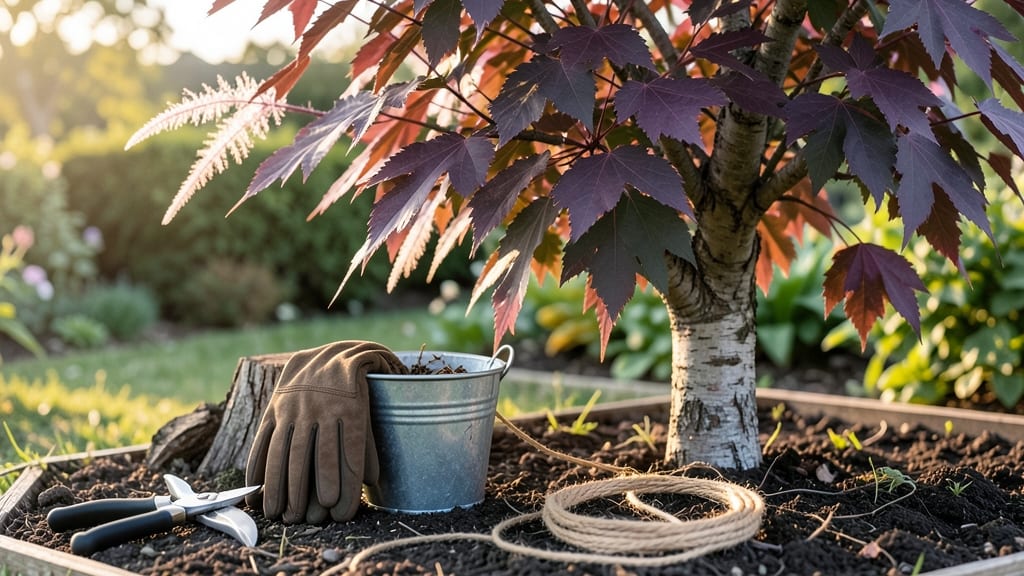
Royal purple smoke tree pruning transforms your shrub from a tangled mess into a showstopping focal point. ✨ The secret lies in timing—light pruning in late winter and strategic shaping in early summer keep those vibrant purple leaves lush and full year-round, while avoiding the dreaded "witches' broom" look.
You’ll need sharp pruning shears, gloves, and a clear morning to work—this isn’t a job for guesswork. Start by removing dead or crossing branches first, then thin out crowded areas to improve airflow. The goal? A natural, balanced shape that highlights the tree’s signature smoky plumes and deep purple foliage.
After pruning, your tree will reward you with faster growth and brighter colors by summer. New shoots emerge within weeks, and the overall structure becomes more elegant. Just avoid cutting into old wood—it won’t regrow—and never prune in fall, or you risk winter damage.
This method works for both young trees and mature specimens, whether you’re shaping a small patio tree or a large garden centerpiece. The key is patience—prune lightly each season, and your smoke tree will stay vibrant and healthy for decades.
📚 In This Guide
- What you need
- Instructions
- Tips and common mistakes
- Wrapping up and next steps
What you need
- ● Pruning shears: Bypass pruners (for clean cuts on small branches, 5–8" blades, stainless steel for durability).
- ● Loppers: Bypass or anvil type (for thicker branches, 18–24" handles, 2–3" cutting capacity).
- ● Pruning saw: Curved-tooth saw (for branches >1" thick, 10–12" blade length).
- ● Gloves: Heavy-duty gardening gloves (cut-resistant, long cuffs for branch protection).
- ● Disposable pruning bags: (10–20 bags, 1–2 gallon size, for debris collection).
- ● Rubbing alcohol (70%+) or bleach solution: (1:10 bleach-water mix, for sterilizing tools between cuts).
- ○ Tree wound dressing (optional): Pruning sealant (only for cuts >½", 1–2 tubes).
- ● Weather check: Prune on a dry, overcast day (avoid midday heat; ideal temp: 50–75°F).
- ● Ladder or step stool: (if tree is >6 ft tall, ensure it’s stable and rated for your weight).
- ● Safety glasses: (to protect eyes from debris).
- ● Long sleeves/pants: (to prevent scratches from branches or sap).
- ● Water & snacks: (hydration breaks keep you sharp for precision cuts!).
Step-by-step guide to pruning your royal purple smoke tree
Here's how I keep my smoke tree looking full and vibrant year-round—no guesswork, just clear steps.
✂️ Step 1: Time Your Pruning for Best Results
Prune your Royal Purple Smoke Tree in late winter or early spring before new growth begins. This is when the tree naturally enters dormancy, making it less stressful. Avoid pruning in fall—you'll encourage tender new growth that won't survive winter's chill. I like to schedule this task right after the last frost date in my area, usually around mid-March.
If you notice overgrown branches anytime else, wait until spring. Pruning at the wrong time can stress the tree and reduce its stunning purple foliage. Watch for fresh, bright green buds forming—this is your cue that the tree is waking up and ready for shaping.
✂️ Step 2: Remove Dead, Diseased, or Crossing Branches First
Start by inspecting your tree for any dead, diseased, or damaged branches. These should be removed immediately, regardless of the season. Use sharp, clean pruning shears to make 45-degree cuts just outside the branch collar—the swollen area where the branch meets the trunk. This prevents unsightly stubs and promotes faster healing.
Next, look for branches that are rubbing against each other or growing inward. These "crossing branches" compete for sunlight and can create wounds that invite pests. Cut these back to their point of origin, making sure your cuts are smooth and clean. I always step back after each cut to check the tree's overall shape—this helps me spot problem areas early.
✂️ Step 3: Shape the Tree for Fullness and Balance
Now it's time to shape your Royal Purple Smoke Tree. The goal is to encourage a full, rounded canopy with vibrant purple foliage. Start by thinning out the center of the tree, removing about one-third of the oldest, thickest branches. This improves airflow and sunlight penetration, which keeps the foliage healthy and vibrant.
Next, focus on the outer branches. Aim to create a natural, balanced silhouette by shortening branches that are growing too long or too close together. Make your cuts just above a leaf bud or side branch—this encourages new growth in the right direction. I like to step back every few cuts to visualize the tree's shape from all angles.
✂️ Step 4: Lightly Prune for Foliage Density in Summer
During the growing season, give your Royal Purple Smoke Tree a light maintenance prune to encourage dense foliage. In late spring or early summer, trim back any branches that are growing too vigorously or spoiling the tree's shape. Focus on the tips of branches to promote bushier growth.
Remove any suckers or water sprouts that appear at the base of the tree or along the trunk. These compete with the main branches for nutrients and can weaken the tree's structure. Use your pruning shears to cut these back to the ground. This light pruning keeps your tree looking its best without stressing it too much.
✂️ Step 5: Clean Up and Sanitize Your Tools
After pruning, clean up any fallen branches and debris from the base of the tree. This prevents pests and diseases from taking hold. Use a 70% isopropyl alcohol or a 10% bleach solution to sanitize your pruning tools. This step is crucial—it ensures your tools are ready for the next pruning session and won't spread any pathogens to your tree.
Finally, apply a balanced, slow-release fertilizer around the base of the tree to replenish nutrients lost during pruning. Water the tree deeply to help it recover and encourage new growth. Keep an eye on your tree over the next few weeks—you should see fresh, vibrant purple foliage emerging as it responds to your pruning efforts.
Tips & tricks for perfect royal purple smoke tree pruning
Here's what nobody tells you about keeping your smoke tree thriving after pruning—these are the details that make all the difference.
Timing is Everything: The late winter to early spring window is critical because that's when your tree is naturally dormant. I've seen trees stressed beyond recognition when pruned in fall—new growth simply won't survive winter. Mark your calendar for right after your last frost date (usually mid-March in most regions), and watch for those bright green buds as your final cue. If you must prune outside this window, late spring for light maintenance is your next best option.
The 45-Degree Cut Secret: When removing branches in Step 2, that 45-degree angle isn't just for looks—it's about healing. Cutting just outside the branch collar creates a natural shield that protects the wound from moisture and pests. I've made the mistake of leaving stubs, and within weeks, those areas became infection hotspots. Always make your cuts smooth and clean, and step back frequently to visualize the tree's new shape—you'll spot problems you'd miss otherwise.
Thinning vs. Topping: The one-third rule for thinning old branches in Step 3 isn't arbitrary—it's about balance. Removing too much at once stresses the tree, while leaving too many blocks sunlight from reaching the center. Think of it like giving your tree a deep tissue massage: you're creating space for new growth while maintaining its natural structure. For outer branches, always cut back to a leaf bud or side branch—this directs energy where you want it to go.
Tool Sanitization Matters: That 70% isopropyl alcohol or 10% bleach solution in Step 5 isn't just for show—it's your first line of defense against fungal diseases. I learned this the hard way when my tools carried bacterial infections between pruning sessions. After cleaning, I store my shears in a dry, ventilated case to prevent rust. A little prevention now saves hours of cleanup later.
Pro Tips for Royal Purple Smoke Tree Pruning
- Here's what nobody tells you about keeping your smoke tree thriving after pruning—these are the details that make all the difference.
- Timing is Everything: The late winter to early spring window is critical because that's when your tree is naturally dormant.
- The 45-Degree Cut Secret: When removing branches in Step 2, that 45-degree angle isn't just for looks—it's about healing.
Frequently asked questions
Got questions about keeping your Royal Purple Smoke Tree looking its best? Here are some common ones—and their answers!
Whether you're a new pruner or just want to refine your skills, these tips will help you maintain that stunning purple foliage year-round.
When is the best time to prune a Royal Purple Smoke Tree?
The ideal time is late winter or early spring (before new growth starts), but you can also prune lightly after flowering to shape the tree. Avoid heavy pruning in fall—it can stimulate tender growth that won’t survive winter. For shaping, spring or summer works best!
How often should I prune my Royal Purple Smoke Tree?
Light pruning (removing dead or crossing branches) can happen year-round, but major shaping should occur every 1–2 years. Over-pruning weakens the tree, so focus on removing no more than 25% of the canopy in a single session for healthy growth.
What if I prune at the wrong time and the tree looks sad?
Don’t panic! If pruned too late in the season, your tree might shed leaves or look leggy. Water deeply and fertilize lightly with a balanced formula to help recovery. In spring, it’ll bounce back—just avoid heavy cuts until next year’s growing season.
Can I prune a Royal Purple Smoke Tree for color enhancement?
To intensify the purple foliage, prune to encourage air circulation and sunlight penetration. Remove inner branches that block light, and trim back overgrown areas to promote bushier, vibrant growth. Just avoid cutting into old wood—new growth is where the color pops!
Are there alternatives to traditional pruning for shaping?
Yes! For a natural, wild look, try selective thinning instead of shearing. Focus on removing dead wood, water sprouts, and crowded branches to let the tree’s unique form shine. If you prefer structure, topiary-style pruning (with sharp tools) works well too!
Wrapping up and next steps
Pruning your Royal Purple Smoke Tree is the secret to keeping its stunning foliage vibrant year-round! With the right tools, timing, and techniques—like late winter shaping and light summer trimming—you’ll encourage lush growth and maintain that showstopping purple hue.
Remember, patience and precision are key, and a little effort goes a long way.
Ready to give your tree the TLC it deserves? Grab your pruners, dust off your gloves, and start shaping! 🌿✂️ For extra confidence, watch a quick pruning tutorial or consult your local nursery for pro tips. Happy pruning—your tree will thank you with bold, healthy foliage all season!