
Trees
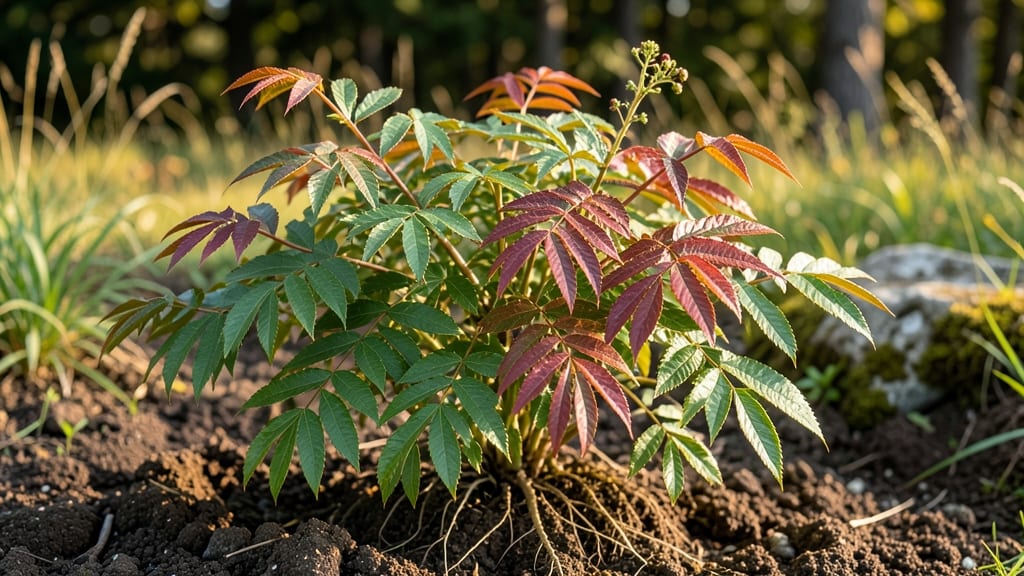
Your rhus tree leaves might look like poison ivy—but one wrong cut could ruin your whole yard. 🌿 The key is knowing the subtle differences: rhus leaves are compound with 7-11 leaflets, while poison ivy has 3 smooth-edged leaflets. That tiny detail keeps your garden safe and your skin happy.
Yellowing or browning leaves? That's often spider mites or sunburn, not a toxic look-alike. Start with a good hose-down to knock off pests, then check soil moisture—dry spells stress rhus trees fast. For stubborn issues, try neem oil spray, but test a small area first. Prevention is easier than cleanup.
📚 In This Guide
- What you need
- Instructions
- Tips and common mistakes
- Wrapping up and next steps
What you need
- ● Field Guide or Plant ID App: A printed guide (like Peterson Field Guide to Trees) or a reliable app (e.g., iNaturalist, LeafSnap) to cross-reference leaf shapes and bark textures.
- ● Hand Lens or Magnifying Glass: A 10x magnification tool to inspect fine details like leaf edges, vein patterns, or hairy undersides.
- ● Gloves (Nitrile or Latex): Protect your hands from Rhus sap, which can cause skin irritation (especially with toxicodendron species like poison ivy).
- ● Small Pruning Shears or Knife: For safely collecting leaf samples (sterilize with rubbing alcohol if reusing).
- ● Notebook & Pen: To record observations like leaf arrangement, scent, or habitat notes.
- ● Camera or Smartphone: Capture high-resolution photos of leaves, bark, and overall tree structure for later analysis.
- ● Plastic Bags or Ziploc Bags: Seal leaf samples for transport (label clearly!).
- ● Ruler or Measuring Tape: Note leaf length/width to compare with ID charts.
- ● Spray Bottle with Water: Dampen leaves to highlight vein patterns or check for milky sap (a red flag for toxicity!).
- ● Local Flora Expert Contact: A botanist or university extension office can verify tricky IDs if you’re unsure.
How to identify rhus tree leaves safely
Here's how to tell rhus leaves apart from toxic look-alikes with confidence.
🌿 Step 1: Examine Leaf Arrangement and Shape
Rhus trees—like sumac or smoke tree—have compound leaves arranged alternately along the stem. Each leaflet (small leaf) has serrated edges and a pointed tip, forming a fan-like shape when fully grown. Hold the branch against the light to see the pinnate vein pattern radiating from the central stem.
I always check for three key features: the leaflets' toothed edges, the alternate branching, and the smooth, hairless surface. Toxic look-alikes often have opposite leaf arrangements or smooth-edged leaflets. If the leaves feel fuzzy or have rounded lobes, it’s not a rhus.
🌱 Step 2: Check the Stems and Bark
The stem and bark give away rhus trees instantly. Young stems are hairless and greenish, while mature bark develops a scaly, reddish-brown texture. Run your fingers along the stem—if it’s smooth and slightly sticky, it’s likely a rhus.
Here’s the thing—toxic look-alikes like poison ivy or boxelder have hairy stems or white sap. Rhus stems are clean and unmarked. Also, rhus leaves grow directly from the stem (no petiole stalks between leaflets), while poison ivy clusters in groups of three.
☀️ Step 3: Observe the Cluster Formation
Rhus leaves form dense, feathery clusters at the ends of branches. When mature, they create a pyramidal shape that’s unmistakable. Hold the branch up to the sky—if it looks like a miniature palm frond, you’re on the right track.
Watch for reddish berry-like clusters forming in late summer. These are drupelets (not true berries) and are a dead giveaway. Toxic plants like bittersweet nightshade have smooth, round berries in dangling clusters, not tight, feathery groups.
✂️ Step 4: Test for Toxicity Safely
If you’re still unsure, do not touch the leaves—some rhus species (like staghorn sumac) are non-toxic, while others (like poison sumac) are deadly. The safest test is to check the berry clusters: rhus berries are hairless and red, while poison sumac has white berries and hanging clusters.
I always cross-reference with a field guide or app (like iNaturalist) to confirm. Never rely on smell or taste—some rhus leaves have a mild citrus scent, but that’s not universal. When in doubt, leave it alone and consult a local arborist.
Tips & tricks for identifying rhus tree leaves safely
Confession: I once mistook poison ivy for sumac and spent a miserable weekend with a rash. Here’s what I learned the hard way—these tricks will help you avoid that mistake.
Light Test for Leaf Structure: Hold the branch up to a window or against the sky to see the pinnate vein pattern in Step 1. This fan-like arrangement is your best visual clue—rhus leaves have veins radiating like fingers from a central stem. If the veins look more like parallel lines or a net, it’s not a rhus.
Texture Check That Saves You: In Step 2, run your fingers along the stem and leaf surfaces. Rhus leaves should feel smooth and hairless—no fuzzy texture. Poison ivy and boxelder both have noticeable hairiness on stems or leaves, which is a dead giveaway for toxic look-alikes.
Cluster Shape Matters: When examining Step 3, look for the pyramidal shape of rhus leaf clusters. If it resembles a miniature palm frond, you’re on the right track. Toxic plants like bittersweet nightshade have dangling clusters, not tight, feathery groups at branch ends.
Berry Color is Non-Negotiable: In Step 4, never ignore the berries. Rhus berries are always hairless and red—this is your final confirmation. If you see white berries or clusters hanging downward, walk away immediately. That’s poison sumac territory.
Pro Tips for Rhus Tree Leaves
- Confession: I once mistook poison ivy for sumac and spent a miserable weekend with a rash.
- Light Test for Leaf Structure: Hold the branch up to a window or against the sky to see the pinnate vein pattern in Step 1.
- Texture Check That Saves You: In Step 2, run your fingers along the stem and leaf surfaces.
Frequently asked questions
Got questions about Rhus tree leaves? You’re not alone!
Whether you’re worried about toxicity, trying to ID a tree, or just curious about alternatives, we’ve got answers. Here are some of the most common questions—and how to handle them safely.
Are all Rhus tree leaves toxic, or just some varieties?
Most Rhus trees (like sumac and poison oak) have toxic leaves, sap, or berries—but not all. Rhus copallina (fragrant sumac) is safe to touch and even edible (berries and young leaves). Always double-check the species before touching or consuming. When in doubt, avoid contact!
How do I tell a Rhus tree apart from non-toxic look-alikes?
Use the “Berries, Leaves, or Vines” rule:
- Poison oak/sumac: Leaves in groups of 3 (like oak leaves) or 7–13 leaflets (sumac). Berries are red or white.
- Safe look-alikes: Virginia creeper has 5 leaflets (not 3!) and blue-black berries. Boxelder has compound leaves but no toxic sap.
When is the best time to identify Rhus trees?
The spring and summer are ideal for ID-ing Rhus trees because:
- Leaves are fully grown (easier to count leaflets).
- Avoid fall—dry leaves lose distinct features.
- Berries appear in late summer/fall (a key clue!).
Are Rhus tree leaves dangerous to pets?
Yes!
Dogs and cats can get dermatitis from chewing toxic Rhus leaves or walking through crushed foliage. Symptoms include:
- Itchy skin, red paws (from oil residue).
- Swollen mouth/throat if ingested.
Can I safely use Rhus leaves for crafts or compost?
It depends! Non-toxic sumac (like fragrant sumac) is great for:
- Dried flower arrangements (berries add color!).
- Mulch/compost (once fully decomposed).
Wrapping up and next steps
Mastering the art of identifying rhus tree leaves—and knowing their toxic look-alikes—can save you (and your pets!) from unpleasant surprises. 🌿 Whether you're a gardener, hiker, or nature enthusiast, staying sharp with these tricks ensures safety and confidence in the great outdoors.
Ready to put your new skills to the test? Grab a notebook, head outside, and start comparing leaves with fresh eyes! Every expert was once a beginner—your next adventure in plant ID awaits.