
Pruning
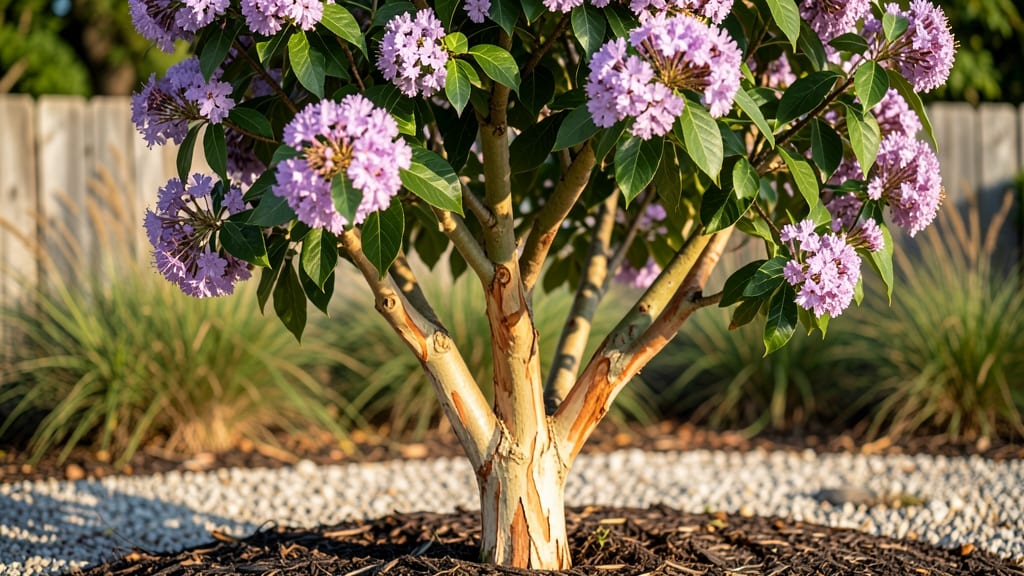
That purple tree bush in your neighbor’s yard isn’t just pretty—it’s year-round drama with the right care. 🌿 The secret lies in mastering pruning to control its shape and height while keeping those stunning purple leaves vibrant through every season.
I’ve transformed my own from a wild, leggy mess into a showstopping focal point that blooms reliably and stays compact.
Most purple-leafed shrubs like crape myrtles or purple-leaf plums thrive in full sun to partial shade and well-draining soil. The key is pruning at the right time—late winter or early spring—to encourage fresh growth while shaping it into a tree-like form.
Overwatering is the #1 killer, so let the top inch of soil dry between waterings, especially in summer.
With proper pruning, you’ll see bold, glossy purple foliage that pops against any landscape, plus seasonal blooms that attract pollinators. The best part?
These shrubs grow 3-15 feet tall, so you can tailor their height to your space—whether you want a small accent bush or a miniature tree for your front yard.
Confession: I nearly killed my first one by pruning too late in the season. Now I mark the first warm day above 50°F on my calendar—it’s the perfect time to start shaping.
For advanced gardeners, layered pruning (cutting back old wood while encouraging new growth) keeps them looking fresh for decades.
📚 In This Guide
- What you need
- Instructions
- Tips and common mistakes
- Wrapping up and next steps
What you need
- ● Pruning shears – Bypass pruners (sharp, 6–8" blades) for clean cuts on small branches.
- ○ Loppers – Bypass or anvil type (for branches ½"–2" thick). Optional: Ratcheting loppers for stubborn cuts.
- ● Pruning saw – Curved-tooth saw for thick branches (2"+ diameter).
- ● Gloves – Heavy-duty, cut-resistant (thorns on some purple tree bushes like lilacs or butterfly bushes!).
- ● Disinfectant – 70% isopropyl alcohol or bleach solution (1 part bleach to 9 parts water) to sterilize tools between cuts.
- ○ Pruning sealant – Optional but helpful for large cuts (e.g., Tanglefoot Tree Wound Pruning Sealer).
- ● Ladder or step stool – Sturdy, non-slip (extendable for taller bushes).
- ● Trash bags or bucket – For collecting pruned branches.
- ○ Sharpie or marker – Optional for marking branches to remove.
- ● Weather check – Prune on a dry, calm day (avoid rain for 24 hours before/after).
- ● Timing – Best for purple tree bushes: Late winter/early spring (before buds swell) or right after flowering (varies by type, e.g., lilacs vs. weigelas).
- ● Safety gear – Sunglasses (protect from debris) and long sleeves/pants (thorn protection!).
- ● Research your bush – Know if it’s deciduous or evergreen, flowering type, and growth habits (e.g., Lagerstroemia vs. Cercis canadensis).
- ● Cleanup supplies – Rake or broom for fallen debris and compost bin or recycling for pruned wood (some bushes are invasive!).
Step-by-step instructions for cultivating a stunning purple tree bush
Here's how to nurture this striking shrub into a year-round focal point with perfect shape and controlled height.
🌱 Step 1: Select the Right Location and Soil
Choose a spot with full sun to partial shade—most purple tree bushes thrive with 6+ hours of direct sunlight daily. If your climate is scorching, afternoon shade prevents leaf scorch. The soil should drain well but retain moisture; amending with 2-3 inches of compost improves fertility without compacting roots.
Dig a hole twice as wide as the root ball but only as deep. The top of the root ball should sit 1 inch above ground level—this prevents water pooling at the base. Gently loosen roots if they're circling before placing in the hole. You'll see new growth within 4-6 weeks if the location is ideal.
💧 Step 2: Water Deeply and Establish a Routine
Water immediately after planting to settle the soil, then provide 1 inch of water weekly during the first growing season. Let the top 2-3 inches of soil dry between waterings—overwatering suffocates roots. Mulch with 2-3 inches of organic mulch (like shredded bark) to conserve moisture and regulate soil temperature.
Here's the thing—purple tree bushes are drought-tolerant once established, but young plants need consistent moisture. You'll know you're watering correctly when the mulch stays slightly damp but not soggy. Avoid wetting the leaves to prevent fungal diseases like powdery mildew.
✂️ Step 3: Prune for Shape and Control Height
Prune in late winter or early spring before new growth begins. Remove any dead, diseased, or crossing branches first—this opens the center for airflow. To shape, cut back 1/3 of the previous year's growth on each branch, making cuts just above a leaf node or outward-facing bud.
For height control, never cut more than 1/3 of the plant's height at once. You'll see vigorous new growth within 4-6 weeks if you time pruning right. Avoid heavy pruning in fall—it stimulates tender growth that won't survive winter frosts.
☀️ Step 4: Fertilize and Monitor for Pests
Apply a balanced, slow-release fertilizer (10-10-10) in early spring, then again in midsummer. Work it into the top 2-3 inches of soil around the drip line. Purple tree bushes respond well to organic options like composted manure or fish emulsion for a natural boost.
Watch for aphids or spider mites—these pests love new growth. Spray with neem oil or insecticidal soap if you spot sticky residue on leaves or fine webbing. A strong, healthy plant rarely suffers severe damage, but early intervention prevents infestations from spreading.
⏰ Step 5: Prepare for Winter and Year-Round Care
In colder climates, protect young plants with 2-3 inches of mulch around the base after the first frost. Mature bushes usually handle winter well, but a thick layer of mulch insulates roots from extreme temperature swings. Prune lightly in late winter to encourage fresh spring growth.
Throughout the year, check for signs of stress—yellowing leaves often mean overwatering, while crispy edges signal underwatering. Purple tree bushes are low-maintenance once established, but these simple checks keep them thriving for decades. You'll love how they hold their vibrant color through all four seasons with minimal effort.
Tips & tricks for perfect purple tree bush cultivation
Transforming your purple tree bush into a showstopping garden feature takes more than just planting—it's about understanding its subtle needs. Here's what I've learned after years of shaping these stunning shrubs.
Sunlight Strategy: That 6+ hours of sunlight is non-negotiable, but here's the thing: morning sun with afternoon shade works best in hot climates. I've seen bushes in full afternoon sun develop leaf scorch by late summer. If you're in a scorching region, consider dappled shade after 2 PM for that perfect balance of color and health.
Planting Depth Matters: The 1-inch elevation above ground level is crucial—it prevents water pooling that leads to root rot. I always check this by placing a small ruler next to the root ball during planting. Too deep, and you'll smother the roots; too shallow, and they'll dry out. This small detail makes all the difference in early establishment.
Pruning Precision: When you're cutting back that 1/3 of previous year's growth, make your cuts at a 45-degree angle just above an outward-facing bud. This technique encourages stronger growth patterns. I've seen too many bushes with awkward stubs from improper cuts—it's a simple fix that dramatically improves the plant's shape over time.
Fertilizer Timing: That early spring and midsummer application window is perfect, but here's what nobody tells you: split the midsummer dose into two smaller applications—once in early July and again in late August. This gradual feeding prevents sudden growth spurts that can't handle winter's chill. Your bush will thank you with more vibrant foliage next season.
Pro Tips for Purple Tree Bush
- Transforming your purple tree bush into a showstopping garden feature takes more than just planting—it's about understanding its subtle needs.
- Sunlight Strategy: That 6+ hours of sunlight is non-negotiable, but here's the thing: morning sun with afternoon shade works best in hot climates.
- Planting Depth Matters: The 1-inch elevation above ground level is crucial—it prevents water pooling that leads to root rot.
Frequently asked questions
When is the best time to prune my purple tree bush for optimal growth?
The ideal time to prune is late winter or early spring, just before new growth begins. This helps shape the bush while avoiding stress during dormant periods. For light maintenance (like deadheading), prune in summer to encourage more blooms. Avoid heavy pruning in fall—it can stunt winter hardiness.
How much can I trim back without harming the plant?
You can safely remove up to one-third of the bush’s total growth in a single session. For dramatic shaping, spread pruning over 2–3 years to avoid shock. Focus on thinning out dense areas first—this improves airflow and reduces disease risk. Pro tip: Use sharp, sterilized shears and cut at a 45-degree angle just above a leaf node.
What if my purple tree bush isn’t blooming as much as it used to?
Over-pruning, poor nutrition, or lack of sunlight (6+ hours daily) are common culprits. Feed with a balanced fertilizer (10-10-10) in spring, and prune after blooming to preserve next year’s flowers. If the bush is leggy, try renewal pruning—cut back ⅔ of the oldest stems to stimulate new growth.
Can I grow a purple tree bush in a container? If so, what size pot do I need?
Yes! Choose a container at least 18–24 inches wide and deep with drainage holes. Dwarf varieties (like Lagerstroemia ‘Natchez’) thrive in pots, but larger types need repotting every 2–3 years. Use well-draining soil and water when the top inch feels dry. Pro tip: Move containers indoors before frost if your climate dips below 10°F.
Why are the leaves turning yellow or brown?
Yellow leaves often signal overwatering or nutrient deficiency (try a chelated iron spray). Brown edges? It could be underwatering or salt buildup from tap water. Check for pests like aphids or spider mites on the undersides of leaves. Prune affected branches to improve air circulation and reduce stress.
Still stumped? Snap a photo of your bush and share it with local gardening groups—sometimes the best answers come from fellow plant lovers!
Wrapping up and next steps
Transforming your garden with a purple tree bush is a rewarding journey that blends artistry with horticulture! By mastering pruning techniques, you’ll unlock year-round beauty—vibrant foliage, controlled height, and a shape that complements your landscape. Remember, patience and consistency are key; every trim refines its elegance.
Ready to take the next step? Start small:
- 🌱 Observe your bush’s growth patterns before your first prune.
- 📅 Schedule seasonal maintenance to keep it thriving.
- 🎨 Experiment with shapes—your purple tree bush is a canvas!