
Flowers
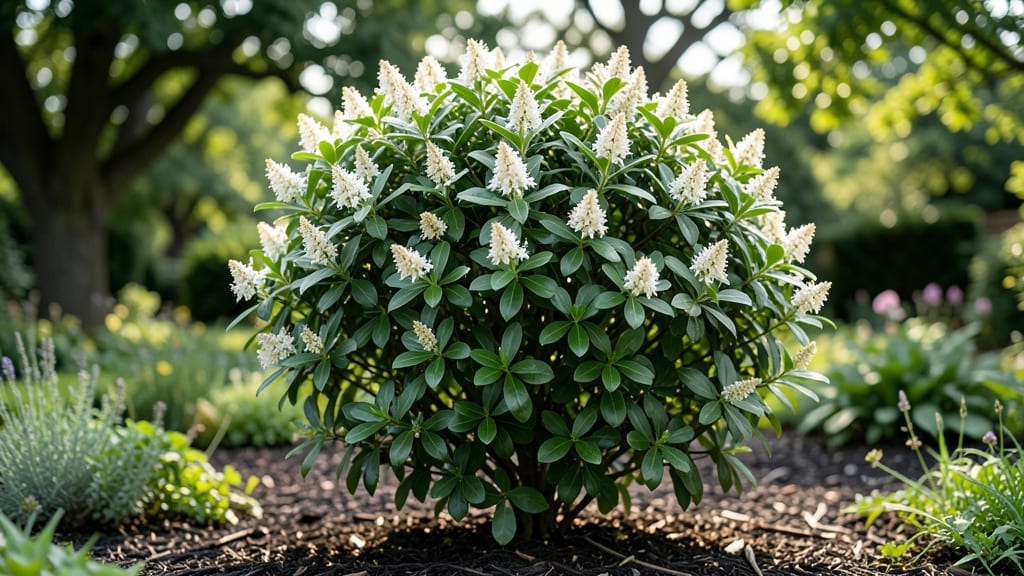
Privet trees burst into fragrant white blooms every spring, turning your yard into a quiet haven. 🌿 I’ve watched mine transform from bare branches to fragrant clouds of flowers with almost no effort—just the right spot and a little patience.
These cold-hardy shrubs thrive where many flowers struggle, making them a gardener’s secret weapon for effortless beauty.
The key to their stunning display? Well-drained soil and full sun to partial shade. They’re drought-tolerant once established, but a deep watering once a week keeps those blooms coming.
Pruning after flowering encourages denser growth and even more flowers next year—no fancy techniques needed, just a sharp pair of shears and a few minutes.
By midsummer, you’ll be surrounded by delicate white clusters that attract bees and hummingbirds. The flowers fade into small berries, adding seasonal interest, while the glossy green foliage stays lush all year. It’s the kind of plant that rewards you for doing almost nothing.
Perfect for hedges, privacy screens, or standalone specimen plants, privet flowers bring elegance without the fuss. Whether you’re a beginner or a seasoned gardener, these shrubs deliver beauty with minimal effort—just give them space to grow and let nature take care of the rest.
📚 In This Guide
- What you need
- Instructions
- Tips and common mistakes
- Wrapping up and next steps
What you need
- ● Privet tree seeds or nursery-grown saplings: 1–3 plants (choose Ligustrum varieties like Ligustrum vulgare or Ligustrum amurense for cold hardiness).
- ● Well-draining potting mix: 5–10 gallons (blend equal parts garden soil, compost, and perlite/sand for aeration).
- ● Garden shovel or trowel: Medium-sized (for transplanting or digging holes).
- ● Watering can or hose with a gentle spray nozzle: 1–2 gallons capacity (privet loves moisture but hates soggy roots!).
- ○ Organic mulch (optional but recommended): 2–3 inches of shredded bark or pine needles to retain soil moisture.
- ● Fertilizer (balanced 10-10-10 or slow-release): 1–2 cups per plant (spring and early summer feedings).
- ● Gloves (gardening or work gloves): 1 pair (to protect from thorns or rough bark).
- ● Pruning shears: Bypass-style (for shaping or removing dead branches—minimal pruning is key!).
- ● Sunlight access: Full sun to partial shade (6+ hours of sunlight daily for optimal blooms).
- ● Cold-hardy zone: USDA Zones 4–9 (privet thrives in chilly climates!).
- ● Epsom salt (magnesium sulfate): 1 tbsp per gallon of water (boosts green foliage and flower production).
- ● Plant support stakes: 2–3 bamboo stakes (for young saplings in windy areas).
- ● Soil pH test kit: Ideal pH range: 6.0–7.0 (privet is adaptable but prefers slightly acidic soil).
- ● Pest control (neem oil or insecticidal soap): Preemptive measure for aphids or spider mites.
Step-by-step guide to growing privet tree flowers
This cold-hardy shrub rewards patience with fragrant blooms—here’s how to coax the best from your privet.
🌱 Step 1: Choose the Right Location and Soil
Privet thrives in full sun to partial shade, with at least 6 hours of direct sunlight daily. I always pick a spot where it gets morning sun but afternoon shade in hotter climates—this prevents leaf scorch while ensuring enough light for flowering. The soil should drain well but retain moisture; amending heavy clay with 2-3 inches of compost works wonders.
Dig a hole twice as wide as the root ball but only as deep. Privet roots spread horizontally, so don’t bury the base too deep—this causes rot. Gently loosen the roots if they’re circling before placing the plant in the hole. Backfill with native soil mixed with compost, tamping lightly as you go.
☀️ Step 2: Plant at the Right Time and Water Deeply
Spring or early fall are the best times to plant privet. Avoid extreme heat or cold—50-70°F soil temperatures give roots the best chance to establish. Water the plant deeply right after planting, soaking the soil until it’s 6-8 inches down. You’ll know it’s enough when water runs out the drainage holes if in a container, or when the soil feels uniformly damp.
Mulch around the base with 2-3 inches of organic mulch (like shredded bark) to retain moisture and regulate soil temperature. Keep mulch 3 inches away from the trunk to prevent rot. Water every 2-3 days for the first month, then taper to once a week once established—privet hates soggy roots.
✂️ Step 3: Prune for Shape and Flowering
Privet flowers best on new wood, so prune right after blooming in early summer. Cut back 1/3 of the oldest stems to encourage fresh growth. I always use clean, sharp shears to make cuts at a 45-degree angle just above a leaf node. This prevents disease and promotes bushier growth.
Avoid heavy pruning in fall or winter—you’ll cut off next year’s blooms. If your privet gets leggy, do a light trim in spring to shape it, but never remove more than 20% of the plant at once. You’ll see new growth within 2-3 weeks if pruning was done correctly.
🌿 Step 4: Fertilize and Monitor for Pests
Feed privet in early spring with a balanced 10-10-10 fertilizer, applying half the recommended dose. Over-fertilizing leads to leafy growth but fewer flowers. Water the soil first, then scatter the granules evenly around the root zone. Scratch them into the top inch of soil to avoid burning roots.
Watch for aphids or spider mites, which love privet’s tender new growth. Spray infested areas with a soapy water solution (1 tsp mild soap per quart of water) if you see sticky residue or tiny webs. Healthy privet rarely gets pests, so focus on proper watering and sunlight first.
⏰ Step 5: Enjoy the Blooms and Plan for Winter
Privet flowers in late spring to early summer, with fragrant white or pale pink blooms that attract pollinators. Deadhead spent flowers to encourage more blooms, but don’t worry if you miss it—privet is forgiving. Once flowers fade, you’ll see small berries form, which birds love but aren’t edible for humans.
In fall, reduce watering as temperatures drop. Privet is cold-hardy down to -15°F, but young plants benefit from a 3-inch layer of mulch over the roots. Prune lightly in late winter if needed, but avoid heavy cuts—privet flowers on new growth, and late pruning can reduce next year’s blooms.
Tips & tricks for perfect privet tree flowers
Growing fragrant privet blooms takes patience—here's how to avoid common pitfalls and maximize those sweet-smelling flowers.
Sunlight Strategy: The 6 hours of daily sunlight is non-negotiable, but here's the secret: morning sun prevents leaf scorch while afternoon shade keeps roots cool. In hot climates, I use shade cloth for 2-3 hours in peak afternoon sun—this makes all the difference for leaf health and flowering potential.
Planting Depth Matters: That twice-as-wide hole is crucial, but depth is where most people go wrong. Privet roots spread horizontally, so burying too deep suffocates them. I always check the root flare (where roots meet trunk) should sit just above soil level—this prevents rot while encouraging strong growth.
Pruning Timing: The early summer pruning right after blooming is key for next year's flowers, but here's what nobody tells you: make those cuts on a dry day. Wet leaves and stems spread disease faster, and privet's new growth is particularly vulnerable. I always prune in the morning when humidity is lowest.
Fertilizer Hack: That half-dose of 10-10-10 fertilizer in spring is perfect, but here's my extra tip: mix it with a handful of bone meal around the root zone. The phosphorus in bone meal encourages root development and more abundant blooms—privet responds beautifully to this combo, especially in the first two years after planting.
Pro Tips for Privet Tree Flowers
- Growing fragrant privet blooms takes patience—here's how to avoid common pitfalls and maximize those sweet-smelling flowers.
- Sunlight Strategy: The 6 hours of daily sunlight is non-negotiable, but here's the secret: morning sun prevents leaf scorch while afternoon shade keeps roots cool.
- Planting Depth Matters: That twice-as-wide hole is crucial, but depth is where most people go wrong.
Frequently asked questions
about privet tree flowers—because even the hardiest blooms come with curious questions! Here’s what you need to know before planting or caring for these cold-resistant beauties.When do privet tree flowers bloom, and how long do they last?
Privet trees typically bloom in late spring to early summer (May–June in most regions), producing clusters of small, fragrant white or pale yellow flowers. The blooms last 2–4 weeks, but their foliage remains lush year-round. For extended interest, choose varieties like Ligustrum × vicaryi, which may rebloom lightly in fall.
Are privet flowers frost-tolerant? Can they survive late freezes?
Yes! Privet flowers are highly cold-hardy (USDA Zones 5–9), but late spring frosts can damage buds. To protect them, wrap young trees in frost cloth or use a hose to spray water around buds (the ice layer insulates them). Mature trees usually recover quickly once frost passes.
Do privet flowers attract bees or butterflies? Are they pollinator-friendly?
Privet flowers are a magnet for pollinators, including bees, butterflies, and hoverflies. Their nectar-rich blooms support local ecosystems, making them a great choice for pollinator gardens. Just avoid spraying pesticides during bloom time to keep these visitors happy!
Should I prune privet trees after they flower? How does timing affect blooms?
Prune right after flowering (June–July) to avoid cutting off next year’s buds. Privet blooms on old wood, so never prune in late fall or winter. For shaping, remove 1/3 of the oldest stems annually to encourage dense growth and more flowers.
What’s a good alternative if I want fragrant flowers but less invasive privet?
If you love privet’s fragrance but want lower maintenance, try:
- Mock Orange (Philadelphus) – Highly fragrant, cold-hardy, and non-invasive.
- Deutzia – Delicate clusters of white/pink flowers; thrives in partial shade.
- Weigela – Bold blooms and easy pruning (but slightly less fragrant).
Wrapping up and next steps
Growing privet tree flowers is a rewarding experience—these cold-hardy beauties bring fragrant blooms and lush greenery with surprisingly little effort! Whether you’re drawn to their Ligustrum charm for privacy screens, wildlife appeal, or simply their easy-care nature, you now have all the tools to cultivate thriving bushes. 🌿
Ready to transform your garden? Start by selecting your favorite variety (like Ligustrum amurense or Ligustrum vulgare), prep your soil, and plant with confidence.
Before you know it, you’ll be enjoying those delicate white or yellow blossoms—and maybe even a few hungry butterflies! Grab your gloves and get planting!