
Pruning
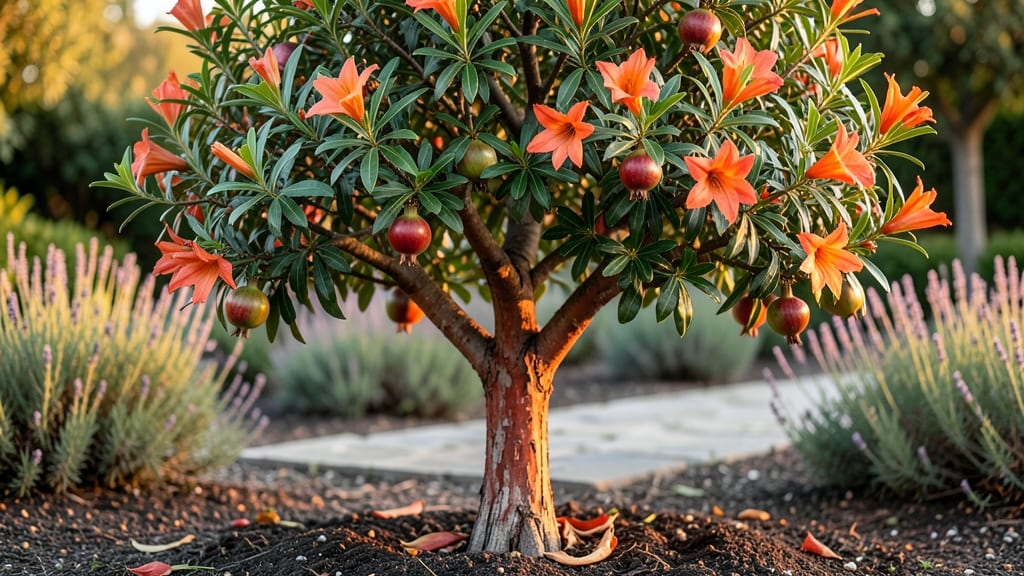
Pomegranate trees in North Carolina typically grow 6 to 12 feet tall, depending on the variety, with dwarf types like 'Wonderful' reaching 6–8 feet and standard varieties like 'Eversweet' climbing to 10–12 feet. North Carolina’s warm climate supports vigorous growth, though winter chilling hours influence fruit production and size.
North Carolina's climate creates ideal conditions for pomegranate trees, especially in zones 7a–8b where they thrive with minimal winter protection. 🌱 The state's long growing season and warm summers allow varieties like 'Eversweet' to reach their full height potential, while dwarf options like 'Wonderful' offer space-saving solutions for smaller gardens.
What sets NC apart is the balance between heat tolerance and winter chill requirements—most varieties need around 200–300 hours below 45°F annually to produce fruit reliably. This makes selecting the right cultivar crucial for both size management and harvest success.
For gardeners working with limited space, compact varieties like 'Mollar de Elche' (5–6 feet tall) provide excellent fruit production without overwhelming your landscape. These smaller trees also require less aggressive pruning, making them perfect for urban or suburban yards.
Meanwhile, standard varieties like 'Ambrosia' can reach their full height but need proper spacing (10–15 feet apart) to avoid competition for sunlight and nutrients. The key to maximizing growth in NC is understanding each variety's specific needs—whether it's drought tolerance or cold hardiness—so you can create optimal growing conditions year-round.
💡 In This Article
- How North Carolina Climate Affects Pomegranate Tree Growth
- Best Low-Maintenance Pomegranate Varieties for North Carolina Gardens
How North Carolina climate affects pomegranate tree growth
North Carolina's mild winters and hot summers create a near-perfect environment for pomegranate trees, but the magic happens in the details. These trees thrive best in USDA zones 7a–8b where they experience 200–300 hours of winter chilling (temperatures below 45°F) annually.
This chilling period triggers flowering and fruit set—without it, your tree might produce leaves but few (or no) pomegranates. In NC's coastal regions like Wilmington, you'll often see slightly smaller trees because the milder winters provide less chilling than inland areas like Raleigh or Asheville.
The state's summer heat (often exceeding 90°F) accelerates growth, allowing standard varieties to reach their full height faster than in cooler climates. However, prolonged heatwaves above 100°F can stress young trees, causing leaf scorch or reduced flowering.
Pomegranates are surprisingly drought-tolerant once established, but NC's humid summers mean you'll need to monitor for fungal diseases like powdery mildew—especially on varieties with dense foliage like 'Wonderful'. The key is balancing watering to keep roots moist without creating soggy conditions that invite pests.
What most gardeners don't realize is how early frosts impact tree height and fruit development. Young pomegranate saplings (under 3 years old) are particularly vulnerable to damage from temperatures below 20°F, which can stunt their growth permanently.
In NC's higher elevations (like the mountains), this means selecting cold-hardy varieties like 'Granada Sweet' becomes essential. These trees develop thicker bark and root systems that protect against winter damage, allowing them to grow taller and more robustly over time.
Another critical factor is NC's soil composition—most pomegranates prefer well-draining, slightly alkaline soil (pH 6.5–7.5). The state's red clay soils in the Piedmont region often need amendment with compost or sand to prevent waterlogging, which can lead to root rot and stunted growth.
In coastal areas where soil is more sandy, you might see faster initial growth but potentially smaller fruit size if nutrients aren't properly supplemented. The right soil preparation can make the difference between a 6-foot dwarf and a 12-foot standard tree in the same climate.
Seasonal variations also play a role in tree height. Spring planting (after last frost) gives pomegranates a full growing season to establish roots before winter, while fall planting can result in smaller first-year growth due to reduced warm-season exposure.
In NC's zone 8b areas (like Fayetteville), you can extend the growing season by using row covers during unexpected late frosts, allowing trees to reach their mature height faster. The result? A tree that's not just tall, but also more productive and resilient to NC's climate quirks.