
Pruning
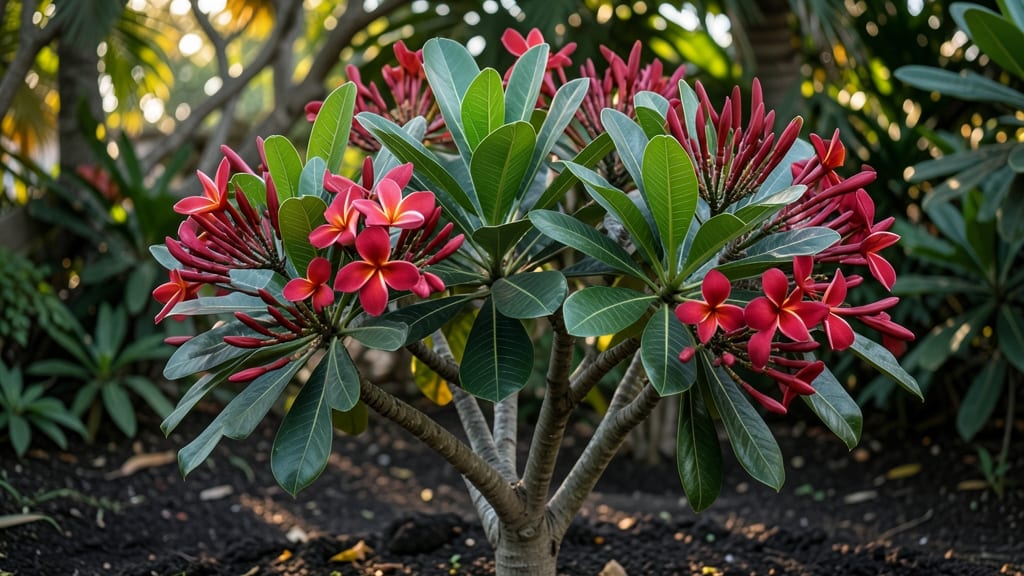
Arizona’s relentless sun makes plumeria trees thrive like nowhere else. 🌵 These fragrant tropical beauties actually love the desert climate—no winter dormancy needed, just year-round blooms if you prune right. My first plumeria in Phoenix surprised me with flowers in every season, even through 110°F heat waves.
The key is mimicking their natural habitat: fast-draining soil (think cactus mix), full sun exposure, and watering only when the top 2 inches dry out. Container growers get extra flexibility—just ensure pots have drainage holes and use a light potting mix.
In-ground plantings need amended soil to prevent root rot, especially during monsoon season when heavy rains can drown roots.
With proper pruning after each bloom cycle, you’ll get dense, bushier growth and even more flowers. I prune mine lightly after each flush of blooms to encourage branching, and avoid heavy cuts in summer when the heat stresses new growth.
The result? A plumeria that looks like it belongs in Hawaii, not the Sonoran Desert.
Container-grown plumerias let you move them to shade during extreme heat, while in-ground plants establish deeper roots for drought resistance. Either way, you’ll end up with a fragrant, low-maintenance tree that outshines most desert landscaping. Ready to grow yours?
📚 In This Guide
- What you need
- Instructions
- Tips and common mistakes
- Wrapping up and next steps
What you need
- ● Plumeria tree: Choose a healthy, disease-free specimen (dwarf varieties like Plumeria ‘Singapore’ or Plumeria ‘Hawaii’ work well for Arizona’s climate).
- ● Well-draining soil: 3–5 cubic yards of cactus/succulent mix (or amend native soil with perlite/pumice for aeration).
- ○ Container (optional): 15–25 gallon pot with drainage holes (for potted plumeria).
- ● Mulch: 2–3 inches of gravel or bark chips (to retain heat and deter weeds).
- ● Pruning shears: Sharp, sterilized bypass pruners (for clean cuts).
- ● Hand saw: Small pruning saw for thicker branches (1–2 inches in diameter).
- ● Gloves: Heavy-duty gardening gloves (plumeria sap can irritate skin!).
- ● Disinfectant: 70% isopropyl alcohol or bleach solution (1 part bleach : 9 parts water) for tools.
- ● Hose or watering can: For post-pruning hydration (Arizona’s dry air demands care!).
- ● Sunlight: Full sun (6+ hours/day) in Arizona’s desert climate.
- ● Water access: Drip irrigation or soaker hose (avoid overhead watering to prevent fungal issues).
- ○ Frost protection (optional): Frost cloth or temporary shade for young trees (if temps dip below 32°F).
- ● Local regulations: Check Arizona’s Cooperative Extension for planting restrictions (some cities limit large trees).
Step-by-Step instructions for cultivating plumeria trees in Arizona’s desert climate
Here’s how I’ve learned to coax vibrant plumeria blooms through Arizona’s brutal summers and mild winters—without losing plants to heat or neglect.
🪴 Step 1: Select the Right Plumeria Variety and Planting Site
Choose a heat-tolerant variety like ‘Hawaiian Snow’ or ‘Ice Cream’ for Arizona’s climate—these handle 110°F+ temperatures better than tropical hybrids. Plumerias need full sun exposure (at least 6-8 hours daily) and well-draining soil to prevent root rot. I always plant mine in raised beds or containers with sand-amended soil to mimic their native limestone-rich habitats.
The key is elevation and airflow: Avoid low spots where cold air pools in winter. In Phoenix, I’ve found that south- or west-facing slopes give the best balance of sun and drainage. If planting in pots, use containers with drainage holes and elevate them on cinder blocks to improve airflow and prevent waterlogging.
☀️ Step 2: Water Deeply but Infrequently to Build Drought Resistance
Plumerias in Arizona hate consistent moisture—overwatering is the fastest way to kill them. I water deeply once every 10-14 days during summer, soaking the root zone until water runs out the drainage holes. Let the soil dry completely between waterings—you’ll know it’s time when the top 2-3 inches feel bone-dry. In winter, I cut back to every 3-4 weeks, mimicking their natural dry season.
Mulch heavily with 2-3 inches of gravel or coarse sand around the base to insulate roots and reduce evaporation. Avoid organic mulch—it retains too much moisture. If your plumeria’s leaves start yellowing or dropping, you’re likely overwatering. Brown, crispy edges? That’s underwatering or salt buildup—flush the soil with water to cleanse it.
✂️ Step 3: Prune Strategically for Desert Survival and Blooms
Prune only after the last frost (typically mid-March in Arizona) to encourage new growth. I cut back one-third of the oldest stems to open the canopy and improve airflow—this prevents fungal diseases that thrive in the heat. Remove dead, diseased, or crossing branches first, then shape the tree by trimming leggy growth to promote bushier, bloom-heavy branches.
Here’s the trick: Never prune in summer. The heat stress combined with fresh cuts invites pests and weakens the plant. Instead, lightly trim spent blooms throughout summer to encourage more flowers. In fall, do a light cleanup prune to remove any deadwood before winter dormancy. Always sterilize your pruners with rubbing alcohol between cuts to prevent bacterial spread.
🌿 Step 4: Fertilize for Desert Conditions Without Burning Roots
Use a slow-release, low-nitrogen fertilizer (like 7-9-5 or 5-10-10) in early spring as new growth starts. I apply half the recommended dose to avoid salt buildup in the soil. Never fertilize in summer—the heat amplifies salt damage. Instead, side-dress with compost in late winter to feed roots without shocking the plant.
Watch for fertilizer burn: If leaves turn yellow with brown edges, flush the soil with water immediately. In containers, I leach the soil every 6 months by watering until it runs clear from the drainage holes. This prevents salt accumulation, which is deadly in Arizona’s alkaline soil. A foliar feed of seaweed extract in late summer gives a gentle boost without stressing the plant.
⏰ Step 5: Protect from Arizona’s Extreme Temperatures Year-Round
Summer heat is the real test. When temperatures hit 105°F+, I provide afternoon shade with lightweight shade cloth (30-50% shade) to prevent leaf scorch. Mist the leaves lightly in the early morning to raise humidity slightly—plumerias appreciate it but never get them wet in the sun (that causes sunburn). In containers, move pots to shadier spots during peak heat.
Winter care is simpler: No watering until new growth appears in late February. If a freeze is forecast (below 32°F), I wrap the trunk and major branches with burlap or frost cloth and cover the plant with a clear plastic tent secured with bricks. Remove the cover as soon as temperatures rise to prevent overheating. In Phoenix, this usually means one night of protection—but in higher elevations like Flagstaff, you might need weeks of winter care.
Tips & tricks for desert-resilient plumeria care
Mastering plumeria cultivation in Arizona’s extremes takes more than just following steps—it’s about understanding the subtle cues your plant gives you.
Heat Adaptation: The 6-8 hours of daily sun requirement is non-negotiable, but how you position your plumeria makes all the difference. In Step 1, when selecting a site, face your plants toward the south or west to maximize sun exposure while minimizing afternoon heat stress. I’ve found that elevating containers on cinder blocks creates a microclimate that prevents root rot by improving airflow—critical when temperatures hit that 110°F threshold. This simple elevation trick mimics their natural limestone habitats while preventing waterlogging.
Watering Wisdom: Step 2’s watering schedule is where most Arizona gardeners go wrong. The key isn’t just the 10-14 day interval—it’s the method. Use a moisture meter to verify that top 2-3 inches are completely dry before watering again. I’ve lost count of plumeria trees killed by well-meaning gardeners who thought "deep watering" meant occasional heavy soaking without checking soil moisture. For container plants, weigh them before watering—when they feel significantly lighter, that’s your cue. And never skip the gravel mulch—it’s not just decorative; it insulates roots from both heat and cold.
Pruning Precision: The mid-March pruning window in Step 3 is your golden opportunity to shape your plumeria for maximum blooms. Here’s what I’ve learned after years of trial and error: When you’re cutting back those oldest stems, look for branches that are at least pencil-thick—they’ll produce the most flowers. And that sterilization step with rubbing alcohol isn’t optional—it’s what prevents the fungal infections that thrive in Arizona’s heat. I’ve also noticed that pruning at a 45-degree angle just above a leaf node encourages more vigorous regrowth than straight cuts.
Seasonal Adjustments: The 105°F shade threshold in Step 5 is where summer care gets tricky. I’ve found that shade cloth works best when you can adjust it—full coverage at midday, then removing it as the sun dips toward evening. For the morning misting, use a fine spray nozzle and always mist before 9 AM to prevent sunburn. And that winter care advice about waiting until late February for water? It’s not just about avoiding cold roots—it’s about letting the plant signal when it’s ready to wake up. I’ve seen plumeria trees that got watered too early in winter develop root rot because their dormant systems weren’t ready to process moisture.
Pro Tips for Plumeria Tree Arizona
- Mastering plumeria cultivation in Arizona’s extremes takes more than just following steps—it’s about understanding th...
- Heat Adaptation: The 6-8 hours of daily sun requirement is non-negotiable, but how you position your plumeria makes a...
- Watering Wisdom: Step 2’s watering schedule is where most Arizona gardeners go wrong. The key isn’t just the 10-14 da...
Frequently asked questions
Got questions about growing plumeria trees in Arizona’s desert climate? You’re not alone! Here are answers to common concerns—from pruning tips to troubleshooting—so you can keep your tree thriving and blooming year-round.
Can plumeria trees survive Arizona’s extreme heat and drought?
Arizona’s desert climate is actually perfect for plumeria trees! They thrive in full sun, high heat (up to 110°F), and minimal water once established. Just ensure well-draining soil and avoid overwatering—root rot is their biggest enemy. Mulch lightly to retain moisture without smothering roots.
When is the best time to prune plumeria trees in Arizona?
Prune your plumeria after the last frost in late winter or early spring (February–March) to encourage new growth and blooms. Avoid heavy pruning in summer—it stresses the tree. Light trimming to shape or remove dead branches can happen year-round, but wait until fall for major cuts if needed.
How do I prune plumeria trees for more blooms?
To boost blooms, prune just above a leaf node or bud (never at a bare stem). Cut back overgrown branches by 1/3 to improve airflow and sunlight penetration. Deadhead spent flowers regularly to redirect energy into new blooms. Pro tip: Use sterilized pruners to prevent disease!
What if my plumeria tree isn’t blooming in Arizona?
Lack of blooms often stems from too much shade, overwatering, or lack of sunlight. Ensure your tree gets 6+ hours of direct sun daily and prune aggressively in spring. Fertilize lightly with a balanced, low-nitrogen blend (like 6-6-6) in early spring and summer. If it’s still struggling, check for pests like aphids or scale.
Are there drought-resistant plumeria varieties that work well in Arizona?
Yes! Look for ‘Hawaiian Snow,’ ‘Maui Queen,’ or ‘Ice Cream’ plumeria varieties—they’re heat-tolerant and drought-resistant. ‘Singapore’ and ‘Frangipani’ types also perform well in Arizona’s climate. Avoid tropical varieties that need high humidity unless you’re in a shaded, irrigated microclimate.
Wrapping up and next steps
Growing a plumeria tree in Arizona is a rewarding journey—especially when you master the art of desert-resilient pruning! With the right tools, timing, and techniques, you’ll enjoy year-round blooms that thrive in the heat.
Remember, patience and consistency are key, so don’t hesitate to experiment and adapt as you learn what works best for your tree. 🌵✨
Now that you’re armed with knowledge, take the next step! Grab your pruners, schedule your first trim, and watch your plumeria flourish. Need a refresher? Bookmark this guide or share it with fellow gardeners—because the best blooms come from shared wisdom! 🌸💚