
Trees
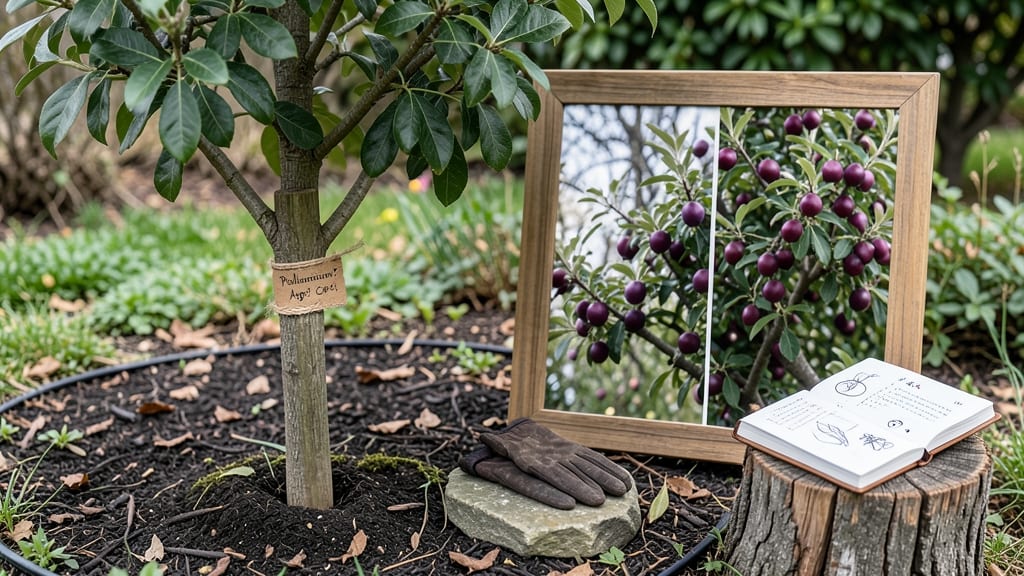
A plum tree not producing fruit—even after months of care—can feel like a heartbreak, especially when you’ve nurtured it with hope. 🌳 The good news? Most barren plum trees aren’t beyond saving.
After three years of struggling with my own tree, I finally cracked the code: it was a mix of poor pollination, over-pruning, and a hidden pest issue. The fixes were simpler than I expected, and now my tree is loaded with fruit.
First, check the basics: light and temperature. Plum trees need 6-8 hours of direct sun daily and thrive in zones 5-9. Too much shade or extreme heat can stall fruit production. Then look at the tree’s age—young trees (under 3 years) focus on growth, not fruit.
If it’s older, the issue might be pollination (many plums need cross-pollination) or nutrient deficiencies (think nitrogen, potassium, or zinc).
Pruning mistakes are another top culprit. Heavy cuts in late winter can remove next year’s fruit buds. Instead, prune in late winter or early spring—just enough to open the canopy for sunlight.
And don’t ignore pests like borers or aphids, which drain energy from the tree. A quick inspection of the bark and leaves can reveal hidden problems.
Here’s the game-changer: one small tweak can make all the difference. Start with a soil test, adjust your pruning, and hand-pollinate if needed. Within a season, you’ll see buds forming—and soon, a bounty of plums.
If the tree still resists, it might need a professional’s eye, but 90% of the time, it’s fixable with these steps.
Why it happens
When your plum tree fails to bear fruit, it’s often a sign that something fundamental is out of balance—whether it’s environmental, biological, or even age-related. Understanding the why behind the problem is the first step to reviving your tree’s productivity.
Let’s break down the most common culprits, backed by science, so you can pinpoint the issue and take targeted action.
Plum trees are often self-pollinating, but environmental factors can disrupt this process. If bees, wind, or other pollinators aren’t effectively transferring pollen from flower to flower, your tree may produce aborted fruit or none at all.
Why it happens:
- Poor weather conditions (heavy rain, cold snaps, or drought) can deter pollinators.
- Lack of diverse pollinator species in your area may reduce cross-pollination efficiency.
- Early or late blooming can miss peak pollinator activity windows.
Actionable fix:
- Plant companion fruit trees (like almond or cherry) nearby to attract more pollinators.
- Hand-pollinate by gently shaking branches during bloom to distribute pollen.
- Avoid pesticides that harm bees—opt for bee-friendly alternatives like neem oil or diatomaceous earth.
Plum trees thrive in USDA Zones 5-9, but temperatures outside their comfort zone—whether too hot, too cold, or sudden swings—can shock the tree into skipping fruit production.
Why it happens:
- Late frosts after bud break can kill blossoms before they open.
- Heatwaves during bloom (>90°F) can cause pollen sterility or flower drop.
- Winter cold snaps (below -10°F) may damage flower buds, preventing new growth.
Actionable fix:
- Monitor local frost dates and cover young trees with frost cloth if frost is forecasted.
- Mulch heavily (3-4 inches) in winter to insulate roots from temperature extremes.
- Choose cold-hardy plum varieties (e.g., ‘Stanley’, ‘Methley’) if you’re in a marginal zone.
Plum trees are heavy feeders, and even minor deficiencies or excesses can trigger fruitlessness. Water and nutrients work together—disrupt one, and the tree may prioritize survival over reproduction.
Why it happens:
- Overwatering leads to root rot, starving the tree of nutrients it needs for fruit development.
- Underwatering causes stress, triggering the tree to drop blossoms or fruit prematurely.
- Nitrogen-heavy fertilizers (without potassium/phosphorus) promote leafy growth at the expense of fruit.
- Soil pH imbalances (too acidic or alkaline) lock out essential nutrients like boron, zinc, or iron.
Actionable fix:
- Test your soil (pH 6.0-7.0 is ideal for plums) and amend with lime (to raise pH) or sulfur (to lower pH) as needed.
- Fertilize in stages:
- Early spring: Balanced 10-10-10 fertilizer for new growth.
- Bloom time: Add potassium-rich fertilizer (5-10-10) to support fruit set.
- Water deeply but infrequently—aim for 1-1.5 inches per week, ensuring soil drains well.
A plum tree’s ability to produce fruit is tied to its structural health and maturity. Poor pruning or an aging tree can reduce flowering sites or disrupt energy allocation.
Why it happens:
- Over-pruning removes too many fruit-bearing branches, leaving the tree with fewer blooms.
- Under-pruning leads to crowded branches, reducing airflow and sunlight penetration (both critical for fruit development).
- Young trees (<3 years old) haven’t built enough structural wood to support heavy fruiting.
- Older trees (>15 years) may decline in vigor, shifting energy to root maintenance over fruit production.
Actionable fix:
- Prune in late winter/early spring (before bloom) to open the canopy and encourage sunlight exposure.
- Remove dead, diseased, or crossing branches to redirect energy to healthy growth.
- For young trees, avoid heavy pruning—focus on shaping for future fruit zones.
- If your tree is mature, consider rejuvenation pruning (gradual thinning over 2-3 years) to revive productivity.
Hidden threats like borers, aphids, or fungal infections can drain the tree’s energy, leaving it too weak to produce fruit. Even subtle damage adds up over time.
Why it happens:
- Sap-sucking pests (aphids, scale) weaken leaves, reducing photosynthesis for fruit development.
- Borers or beetles damage vascular tissue, disrupting nutrient flow to blossoms.
- Fungal diseases (e.g., brown rot, powdery mildew) distort flowers or cause premature drop.
- Viral infections (like plum pox) can sterilize pollen, preventing fruit set entirely.
Actionable fix:
- Inspect leaves/branches weekly for signs of pests (sticky residue, holes, wilting).
- Apply horticultural oil (in dormant season) or neem oil (during bloom) to deter soft-bodied pests.
- Remove and destroy infected fruit/leaves to prevent disease spread.
- Plant resistant varieties (e.g., ‘Santa Rosa’ plums resist some fungal diseases).
- For severe infestations, consult a local arborist for targeted treatments.
Sometimes, the problem isn’t the tree itself but its surroundings. Plum trees need specific conditions to thrive—and if those aren’t met, fruiting will suffer.
Why it happens:
- Poor sunlight exposure (<6 hours/day) leads to weak blossoms and low fruit set.
- Compacted or rocky soil restricts root growth, limiting nutrient uptake.
- Competing vegetation (grasses, weeds) steals water and nutrients from the tree.
- Urban pollution or high salinity in soil can stress the tree, reducing flowering.
Actionable fix:
- Ensure full sun exposure—plum trees need at least 6-8 hours of direct sunlight daily.
- Aerate compacted soil with a garden fork and mix in compost to improve drainage.
- Mulch with wood chips (2-3 inches) to suppress weeds and retain moisture.
- If in an urban area, wash leaves occasionally with water to remove dust/pollutants.
Not all plum trees are created equal—and some varieties are naturally less productive due to their genetics. If you’ve ruled out all other causes, your tree might simply be biologically inclined to produce sparingly.
Why it happens:
- Some dwarf or ornamental varieties are grafted for foliage, not fruit, and may bear minimal or no edible plums.
- Seed-grown (not grafted) trees can be unpredictable, with weak fruit production.
- Certain cultivars (e.g., ‘Myrobalan’ plums) are self-sterile and require cross-pollination from another variety.
Actionable fix:
- Check your tree’s label—if it’s labeled as ornamental, it may not be the right choice for fruit.
- Replace or supplement with a grafted, self-fertile variety (e.g., ‘Larry Ann’, ‘Black Diamond’).
- If space allows, plant two compatible varieties within 50 feet to ensure cross-pollination.
Revitalize Your Plum Tree
Now that you’ve pinpointed why your plum tree is skipping fruit production, let’s roll up our sleeves and get it back on track! Below are practical, step-by-step solutions tailored to each common cause—plus pro tips to keep your tree thriving long-term.
If your tree is too young or overdue for a reset, it’s not a lost cause—just a waiting game with a little help.
🔥 Fix It:
- Wait it out (if young): Most plum varieties take 3–5 years to bear fruit. Focus on nurturing strong growth with balanced fertilization (see below) and consistent watering.
- Prune for maturity (if old): Mature trees (10+ years) may need a rejuvenation prune to remove dense, old wood. Cut back 1/3 of the oldest branches in late winter to encourage new, fruiting wood.
- Pro tip: Use sharp, sterilized pruners 🔪 to avoid disease. Seal larger cuts with pruning paint to prevent infection.
💡 Prevention:
- Plant dwarf or semi-dwarf varieties (like ‘Santa Rosa’ or ‘Methley’) for faster fruiting.
- Thin out suckers (shoots from the base) annually to redirect energy to fruit production.
Plums are often self-pollinating, but cross-pollination boosts yields. If your tree is isolated or blooms are sparse, give it a helping hand.
🍳 Fix It:
- Plant a second variety nearby (even 20–30 feet away). Try pairing with ‘Larry Kelley’ or ‘Stanley’ for better compatibility.
- Hand-pollinate on chilly or windless days:
- Gently shake branches to release pollen.
- Use a soft paintbrush to transfer pollen from one flower to another.
- Attract pollinators: Plant bee-friendly flowers (lavender, borage) around the tree and avoid pesticides during bloom.
🎯 Prevention:
- Time your pruning to avoid removing flower buds. Prune after harvest (late summer/fall) to preserve next year’s blooms.
- Mulch with compost 🌿 to improve soil health, which supports robust flowering.
A hungry tree won’t fruit. Over- or under-fertilizing can both backfire—let’s get the balance right.
👨🍳 Fix It:
- Test your soil (DIY kits or local extension service) to check pH (ideal: 6.0–6.5) and nutrient levels.
- Fertilize strategically:
- Spring (early): Apply a balanced 10-10-10 fertilizer or fruit-tree-specific formula (like 8-3-9) around the drip line.
- Summer (if needed): Top-dress with compost or aged manure for organic nutrients.
- Avoid high-nitrogen fertilizers (like lawn food) in spring—they promote leaves over fruit!
- Target deficiencies:
- Zinc deficiency? Spray with zinc sulfate (follow package rates).
- Potassium shortage? Use wood ash or a potassium-rich fertilizer (like 0-0-50).
✨ Prevention:
- Mulch annually with 3–4 inches of organic mulch (straw, wood chips) to retain moisture and nutrients.
- Avoid overwatering—plums hate soggy roots. Water deeply 1–2 times per week (more in extreme heat).
Drought, frost, or pests can send your tree into survival mode. Let’s create a stress-free zone.
🥘 Fix It:
- Water deeply and consistently (1–2 inches per week). Use drip irrigation to keep roots moist without wetting foliage (reduces disease).
- Protect from frost: Cover young trees with frost cloth on cold nights. Plums need chill hours (200–1,000, depending on variety), but late frosts can damage blooms.
- Combat pests/disease:
- Aphids or mites? Spray with neem oil or insecticidal soap.
- Brown rot? Remove infected fruit immediately and prune for airflow. Apply copper fungicide preventatively in spring.
💡 Prevention:
- Choose disease-resistant varieties (e.g., ‘Montgomery,’ ‘Angeleno’).
- Space trees 15–20 feet apart for airflow and sunlight.
Too much pruning at the wrong time can stunt fruit production. Let’s trim smart.
🔪 Fix It:
- Prune at the right time:
- Light pruning: Late winter (before buds swell) to shape the tree.
- Heavy pruning: Every 3–5 years in late winter/early spring.
- Avoid summer pruning—it stresses the tree and invites disease.
- Focus on structure: Remove:
- Dead, crossing, or rubbing branches.
- Suckers (shoots from the base).
- Water sprouts (fast-growing vertical shoots).
🌿 Prevention:
- Use the “open-center” method for older trees: Keep a vase-like shape to maximize sunlight and airflow.
- Never remove more than 25% of the canopy in one year.
🎉 Final Boost: Combine these fixes with regular monitoring—check for pests weekly, water consistently, and fertilize as needed. With patience and care, your plum tree will be bursting with fruit in no time! 🍑🌳
Frequently asked questions
How do I know if my plum tree is too young to produce fruit?
Most plum varieties need 3-5 years to bear fruit after planting. Look for new growth and strong branches—if your tree is under 3 years old and healthy, it’s likely just maturing. Young trees focus energy on root and canopy development before fruiting.
Why are my plum blossoms falling off before they turn into fruit?
Blossom drop usually means pollination failure, nutrient deficiencies, or environmental stress. Check for bees first—if no pollinators are active, hand-pollinate with a paintbrush. Also verify your tree has enough potassium and phosphorus (test soil pH first). Extreme heat or drought can also cause this.
Can I force my plum tree to fruit faster by heavy pruning?
No, aggressive pruning actually delays fruiting by removing potential fruit buds. Instead, do light structural pruning in late winter to open the canopy. For young trees, focus on balanced fertilization and proper watering—these help establish the tree’s energy reserves for future fruit production.
What should I do if my plum tree has no blossoms at all?
Check these first: light exposure (needs 6-8 hours of sun), soil nutrients (test for nitrogen, potassium, and zinc), and tree age. If it’s mature but still barren, it might need rejuvenation pruning or could be suffering from root damage. Also verify it’s not an ornamental variety—some are grafted to produce minimal fruit.
How do I tell if my plum tree is diseased instead of just not fruiting?
Look for these red flags: discolored leaves (yellow/brown spots), oozing bark (sign of borers), premature fruit drop, or stunted growth. Common plum diseases include brown rot (mushy fruit) and powdery mildew (white powder on leaves). If you see these signs, prune infected areas immediately and treat with copper fungicide or neem oil.