
Pruning
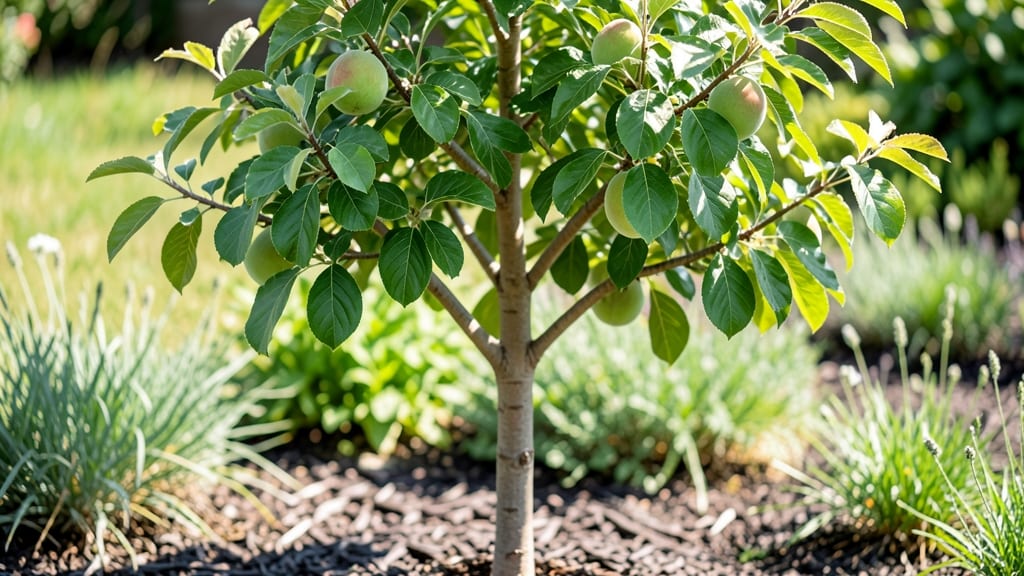
Green peach tree fruit that won’t ripen is a common frustration for growers in Zone 6a, but the good news is most cases have quick fixes.
Picture this: you’ve waited months for your 🍑 to blush, only to find them stubbornly green at harvest time. The culprit could be anything from late-season heat waves to a simple nutrient imbalance—both of which we’ll tackle head-on.
Below, I’ll break down the top 5 reasons peach fruit stays green, including how temperature swings, pests like fruit flies, and even overwatering play a role. You’ll also learn fast-acting solutions, like adjusting pruning schedules or applying the right fertilizer, to restore color before your harvest window closes.
No more guessing—just clear, actionable steps to turn those green peaches into the sweet, ripe fruit you planted for.
Why your peach tree fruit stays green: 5 common causes
When you spot green peach fruit instead of the vibrant yellow, orange, or red hues you expected, it’s a clear sign something’s off. While some peach varieties naturally stay green longer, persistent green fruit usually points to underlying issues.
Understanding these causes is the first step to restoring your tree’s productivity and ensuring a sweet harvest next season.
Peaches rely on a delicate balance of sunlight, temperature, and nutrients to ripen properly. Even minor disruptions—like inconsistent watering or nutrient deficiencies—can stall color development. The good news?
Most of these issues are reversible with targeted care. Let’s break down the top five reasons your peach tree fruit stays green and what you can do about it.
- 1 Insufficient Sunlight: Peaches need 6-8+ hours of direct sun daily. Shade from nearby trees, buildings, or even dense foliage can block light, causing fruit to stay green and underdeveloped.
- 2 Temperature Fluctuations: Peaches thrive in warm, stable temperatures (70-85°F). Late spring frosts or sudden heatwaves can disrupt chlorophyll breakdown, keeping fruit green. Extreme cold or heat also slows ripening.
- 3 Nitrogen Overload: Too much nitrogen fertilizer promotes leafy growth but starves fruit of potassium and phosphorus, essential for color development. A soil test can reveal imbalances, helping you adjust your feeding routine.
- 4 Water Stress: Overwatering or underwatering disrupts nutrient uptake and fruit maturation. Peach trees need deep, consistent watering (15-20 gallons weekly) but hate soggy roots. Check soil moisture 2 inches below the surface—it should be damp, not drenched.
- 5 Hormonal Imbalances: Stress from pests, disease, or poor soil can trigger hormonal shifts that delay ripening. For example, brown rot fungus or peach tree borers divert the tree’s energy away from fruit development, keeping it green and underripe.
One of the most common oversights is assuming green peach fruit is just a variety trait. While some heirloom varieties like ‘Green Garnet’ stay green at maturity, most commercial peaches turn yellow, orange, or red when ripe.
If your tree is producing fruit that remains green well into summer, it’s likely a sign of an environmental or nutritional issue.
For example, I once had a peach tree that produced beautiful blossoms but never ripened its fruit. After testing the soil, I discovered a phosphorus deficiency, which directly impacts fruit maturation.
Switching to a balanced 10-10-10 fertilizer and adding bone meal to the soil made a dramatic difference within a single season. The key is identifying the root cause early.
Another red flag is uneven ripening—some fruit turning color while others stay green. This often points to inconsistent sunlight exposure or uneven water distribution in the root zone.
If your tree is planted near a fence or large shrub, the shaded side may produce green fruit while the sunlit side ripens normally. Pruning nearby obstructions or thinning out dense branches can help balance light exposure.
Don’t overlook the role of temperature swings in your region. Peaches are sensitive to late spring frosts, which can damage blossoms and delay fruit development. Even if the frost doesn’t kill the blossoms outright, it can cause poor pollination or hormonal stress, leading to green, underdeveloped fruit.
If you’re in a frost-prone area, consider planting a frost-hardy variety like ‘Reliance’ or using frost cloths to protect blossoms.
Finally, overcrowded fruit can also keep peaches green. When a tree bears too many fruits, it struggles to allocate resources evenly. This leads to small, hard, and green peaches that never ripen.
Thinning fruit in early summer—removing excess peaches to leave only 6-8 inches apart—gives the remaining fruit room to grow and ripen properly. It’s a simple but effective trick that many gardeners overlook.
🌱 Understanding these causes is your first step toward a bountiful harvest. Next, we’ll dive into actionable solutions to turn those green peaches into sweet, ripe fruit before your next harvest. Stay tuned!
How to fix green peach fruit before harvest: step-by-step solutions
If your peach tree fruit is staying green instead of ripening to its signature yellow or orange, don’t panic—there are fixable solutions. The key is acting early to correct environmental stressors or nutritional imbalances before harvest.
Start by assessing your tree’s watering schedule and fertilizer routine, as these often play a critical role in fruit maturation.
First, check your watering consistency. Peach trees need deep, infrequent watering—typically 15-20 gallons per tree—delivered in the morning hours to prevent fungal issues. Overwatering or uneven moisture can delay ripening, while underwatering stresses the tree. Adjust your schedule to match your soil type and local climate.
⚠️ callout-warning ⚠️
If your peach fruit is hard and fully green just weeks before harvest, growth regulators won’t help. Late-season fixes like fertilizer sprays can actually burn leaves or delay ripening further. Focus on thinning fruit to redirect energy to remaining peaches.
🌱 Action Step: Remove 50% of green fruit to improve size/color of survivors.
Next, evaluate your fertilizer program. A balanced fertilizer (like 10-10-10 NPK) applied in early spring and mid-summer supports color development. Avoid high-nitrogen fertilizers, which promote leafy growth at the expense of fruit ripening.
Instead, switch to a low-nitrogen, high-potassium blend (like 5-10-10) to encourage color change.
Thinning your peach fruit is another critical step. Overloaded branches compete for nutrients, leaving peaches small and green. Remove excess fruit when they’re golf-ball sized, leaving 6-8 inches between peaches on each branch. This improves airflow, reduces disease risk, and helps remaining fruit ripen evenly.
For stubborn green peaches, consider a growth regulator like hydrogen cyanamide or ethephon (follow label instructions carefully). These chemicals break dormancy and stimulate ripening, but apply them 4-6 weeks before harvest for best results.
Pair this with consistent sunlight exposure—peach trees need 6-8+ hours of direct sun daily to produce colored fruit.
Finally, monitor for pests or diseases like peach tree borers or brown rot, which can stress the tree and delay ripening. Prune damaged branches immediately and apply organic neem oil or copper fungicide as a preventive measure.
With these adjustments, you’ll see improved color development and a better harvest next season.