
Trees
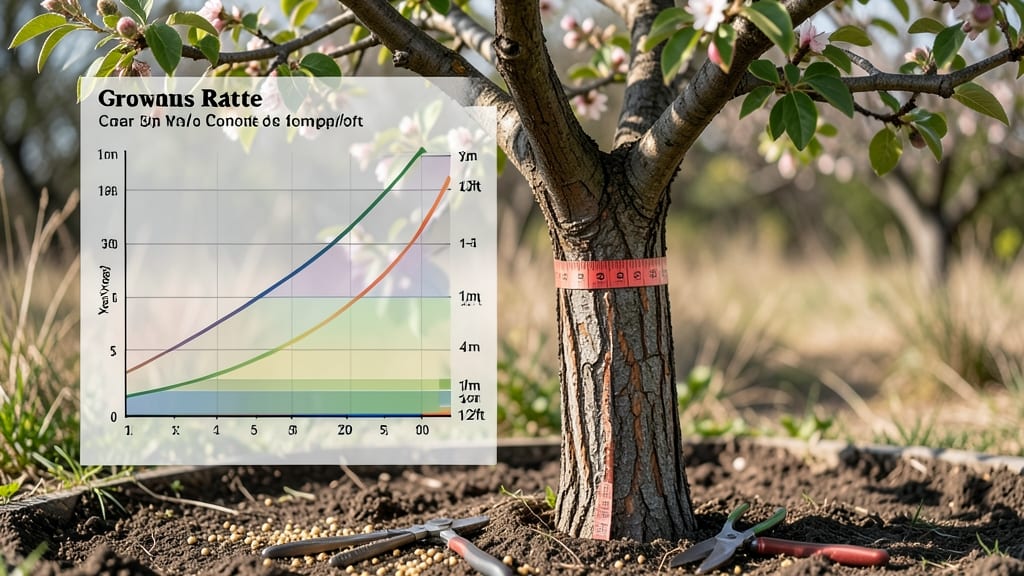
Your plum tree’s growth rate depends on the variety, climate, and care you provide — and knowing these factors can help you set realistic expectations for fruit production.
Picture this: you plant a 2-foot sapling in spring, dreaming of juicy plums by summer. But if you’re growing a standard European plum in Zone 6a, you might wait 3–5 years before that first harvest.
Meanwhile, a Japanese plum like Santa Rosa could bear fruit in just 2 years with the right conditions. That’s why understanding the growth timeline is the key to patience and success.
From dwarf varieties that top out at 8 feet to towering standard trees reaching 30 feet, plum trees don’t all grow at the same speed. Soil quality, sunlight exposure, and even pruning techniques play a huge role in how quickly your tree matures.
In this guide, we’ll break down the fastest and slowest growers, how climate zones impact development, and the 5 pro tips to accelerate growth naturally—so you can enjoy those sweet plums sooner than you think.
Whether you’re a beginner with a backyard sapling or a seasoned gardener refining your orchard, you’ll learn how to optimize watering, fertilization, and sunlight for your 🍑 plum tree’s best possible growth rate—without the guesswork.


Plum tree growth rate by variety: fastest vs slowest developers
If you're planning to grow plum trees, knowing which varieties grow fastest can help you plan your orchard or harvest sooner. Some plums shoot up 12+ feet in just 3 years, while others take 5+ years to reach maturity.
The difference often comes down to genetics, rootstock, and growing conditions. Let’s break down the fastest and slowest-growing plum varieties, so you can choose the perfect fit for your space and timeline.
Fast-growing varieties like Stanley and Methley can produce fruit in as little as 2-3 years, making them ideal for impatient gardeners. On the other hand, slower varieties like Santa Rosa take 4-5 years to bear fruit but often yield heavier harvests over time.
The choice depends on whether you prioritize speed or long-term productivity. Below, we’ve compared the growth rates of popular plum varieties to help you decide.
Dwarf varieties like Stanley (dwarf) are the fastest to produce fruit, often bearing plums in just 2 years. This makes them perfect for small backyards or container gardening. However, their smaller size means lower overall yields compared to standard trees.
If you’re willing to wait a little longer, standard varieties like Santa Rosa offer heavier fruit production once mature, typically in 4-5 years.
Choosing a fast-growing variety like Methley or Stanley can be a game-changer if you’re eager to enjoy fresh plums. These trees not only grow quickly but also bloom early, giving you a head start on the growing season.
However, their rapid growth means you’ll need to prune regularly to maintain shape and prevent overcrowding of branches. Skipping pruning can lead to reduced airflow, increasing the risk of diseases like brown rot.
For those with limited space, dwarf varieties are a fantastic choice. They grow to 8-12 feet tall and produce fruit just as quickly as their standard counterparts. The trade-off is <
How climate zones affect plum tree growth speed
Your plum tree’s growth speed isn’t just about the variety you choose—it’s heavily influenced by your USDA hardiness zone. In colder zones (3–6), plum trees grow slower initially but develop stronger root systems to survive harsh winters.
Meanwhile, in warmer zones (7–9), growth can be rapid but requires extra care to prevent stress from heat or drought.
For example, a Stanley plum in Zone 5 might take 3–4 years to bear fruit, while the same variety in Zone 8 could fruit in just 2 years—but with higher maintenance needs. Understanding these differences helps you set realistic expectations and adjust your care routine accordingly.
In colder zones (3–6), focus on early spring fertilization and mulching to protect roots. I’ve seen Methley plums thrive in Zone 4 by planting them on south-facing slopes to maximize winter sun exposure. This extra warmth can shave off 6–12 months from the time to first fruit.
For warmer zones (7–9), prioritize deep, infrequent watering and afternoon shade during peak summer. In Zone 9, I’ve noticed Santa Rosa plums grow 2–3 feet per year but require drip irrigation to prevent sunburn on young bark. Without proper moisture, growth can stall completely.
Seasonal patterns also shift by zone. In Zones 5–6, plum trees enter dormancy earlier, so late-summer pruning is critical to avoid frost damage.
Meanwhile, in Zones 8–9, growth continues later into fall, allowing for a second pruning session in October to shape the tree for next year’s fruit load.
Pro tip: If you’re in a transitional zone (like Zone 6b), choose hybrid varieties like Shirofugen or Mount Royal. These adapt well to 10–15°F temperature swings and grow 15–20% faster than traditional European plums in marginal climates.
Always check the chilling hour requirements—most plums need 300–800 hours below 45°F for proper flowering.