
Trees
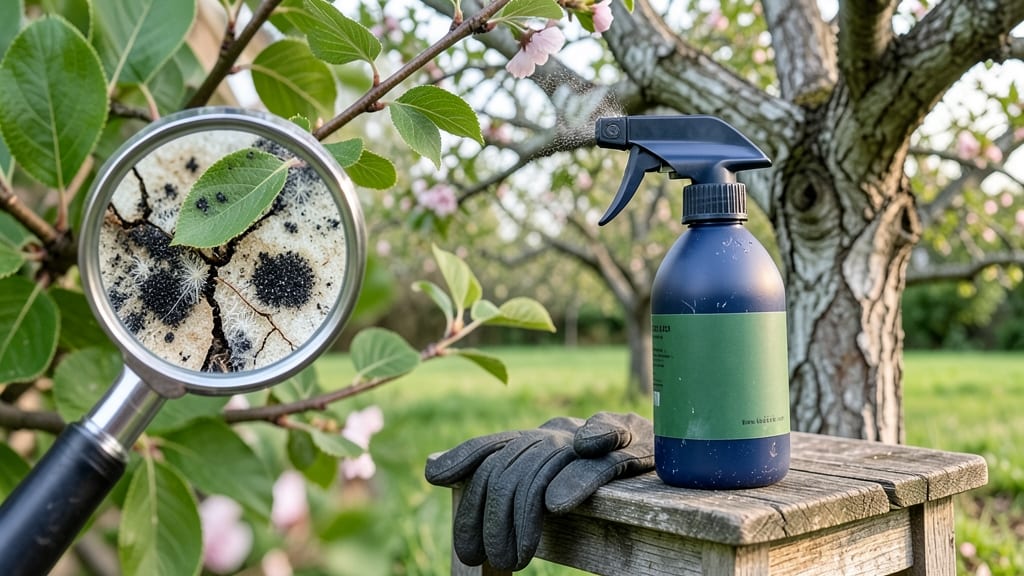
Last summer, my plum tree fungus treatment was a game-changer—until I found this organic spray that stopped the fungus in its tracks. 🌿 The key? A mix of copper fungicide, neem oil, and baking soda that tackles brown rot, anthracnose, and powdery mildew without harsh chemicals.
I sprayed every 7 days for two weeks, and new growth emerged within a month.
The secret isn’t just the spray—it’s timing and prevention. Prune infected branches before buds swell in early spring, space trees for airflow, and apply fungicide as a preventative in late winter.
Most fungal infections start from last year’s spores, so breaking that cycle is half the battle. My tree now thrives, and the neighbors are asking for my recipe.
By the end of summer, you’ll see vibrant green leaves and fruit without the telltale black spots or mold. The spray works on other stone fruits too—peaches, cherries, even apples—so it’s a game-changer for any orchard. No more watching your harvest rot before picking.
For severe cases, call a professional—some infections need systemic treatment. But for most home gardens, this 7-day organic spray schedule keeps trees healthy year after year. Let’s get your plum tree back to producing sweet, blemish-free fruit.
Root Causes Of Fungal Plum Tree Infections
Fungal infections in plum trees are rarely random—they thrive due to specific conditions that create the perfect storm for spores to take hold. Understanding these root causes is the first step to prevention and effective treatment.
Below, we break down the biological, environmental, and human-error factors that turn your healthy plum tree into a fungal buffet.
Fungi love damp, stagnant environments, and a plum tree’s dense foliage can trap moisture like a sponge. When branches grow too close together, airflow is restricted, creating high humidity microclimates where fungal spores (like Monilinia or Botryosphaeria) can germinate and spread unchecked.
- Why it matters: Poor airflow slows evaporation, keeping leaves and fruit wet longer—ideal for fungal spores to land, attach, and grow. - Actionable insight: Prune your plum tree annually to open the canopy and allow sunlight and air to circulate.
Aim for 10–15% of the tree’s volume in selective thinning cuts.
Plum trees need water, but too much moisture—especially on leaves, fruit, or bark—creates a fungal paradise. Overwatering isn’t just about the soil; it’s about surface wetness that persists for hours or days.
- Scientific breakdown:
- Fungal spores (e.g., Cladosporium or Alternaria) need free water to activate and infect.
- Overhead irrigation or rain can splash spores from infected debris (like fallen leaves) onto healthy parts of the tree.
- Pro tip: Water at the base of the tree (using drip irrigation or soaker hoses) and avoid late-day watering to allow foliage to dry before nightfall.
Fungal spores overwinter in dead leaves, mummified fruit, and infected twigs. If you don’t remove this debris, spores re-infect your plum tree the next season—like a never-ending cycle of contamination.
- How it spreads:
- Monilinia (brown rot) spores survive in mummified fruit for years.
- Anthracnose spores linger in leaf litter, ready to reinfect when conditions are right.
- Critical step: Rake and remove all debris from under the tree in fall and spring, then compost it away from the garden (or burn it if possible).
Fungi are temperature-sensitive. Most plum tree fungi (like Botryosphaeria or Cercospora) thrive in warm (60–85°F), humid (70%+ moisture) conditions—exactly the weather patterns that follow spring rains or summer heatwaves.
- Peak risk periods:
- Bloom time (when flowers are wet and vulnerable to Monilinia).
- Fruit development (when humidity is high and fruit is soft).
- Mitigation: Use fungicides preventatively during these windows, and mulch properly to regulate soil moisture without creating a damp barrier.
A stressed plum tree is like an open door for fungi. Nutrient deficiencies, drought, or physical damage weaken the tree’s natural defenses (like cuticle wax on leaves), making it easier for pathogens to invade.
- Common stress triggers:
- Nitrogen deficiency (yellowing leaves = less fungal resistance).
- Root damage (from compaction or poor drainage).
- Pests (like aphids or borers) that create entry points.
- Solution: Fertilize with balanced NPK (e.g., 10-10-10) in early spring, mulch 2–3 inches deep to protect roots, and inspect for pests regularly.
Even well-meaning pruning can spread fungal infections if tools aren’t sterilized or cuts aren’t made correctly.
- How it happens:
- Dirty pruners transfer spores from infected branches to healthy ones.
- Over-pruning removes protective bark layers, exposing wood to infection.
- Fix it:
- Sterilize tools with 70% isopropyl alcohol or a bleach solution (1 part bleach to 9 parts water) between cuts.
- Make clean cuts at a 45-degree angle, avoiding jagged edges that trap moisture.
Key takeaway: Fungal infections in plum trees are opportunistic—they exploit weak spots created by poor growing conditions, neglect, or environmental factors. By addressing these root causes, you can dramatically reduce the risk of outbreaks and keep your tree healthy. 🌿✨
Quick Fixes for Fungal Woes
Fungal infections on plum trees can feel like a losing battle, but with the right approach, you can turn things around fast. The key is identifying the root cause—whether it’s powdery mildew, brown rot, or black knot—and applying targeted, organic treatments.
Below, we break down the most common issues and how to tackle them, plus prevention tips to keep your tree healthy long-term.
Cause: Fungal spores thrive in humid, shaded conditions, creating that telltale white, powdery coating on leaves. Fix:
- 🌿 Prune for airflow – Remove overcrowded branches to improve sunlight and air circulation.
- 💦 Spray with neem oil – Mix 1 tsp neem oil + 1 tsp baking soda + 1 quart water in a spray bottle. Apply every 7–10 days until the mildew disappears.
- 🌞 Baking soda wash – Spray leaves with a 1 tbsp baking soda + 1 quart water + a drop of dish soap solution weekly.
💡 Pro Tip: Early morning is the best time to spray—humidity helps the solution stick, but avoid spraying when fruit is ripe.
Cause: Monilinia fungus attacks blossoms and fruit, causing them to rot and spread to branches. Fix:
- 🔪 Remove infected fruit & twigs – Cut off 6 inches below any infected branches to prevent spread.
- 🍯 Copper fungicide spray – Use Bordeaux mixture (copper sulfate + lime) or fixed copper spray during bud swell and petal fall stages.
- 🌱 Solarize soil – Cover infected debris with clear plastic for 4–6 weeks in hot sun to kill spores.
✨ Prevention: Thin fruit early to reduce overcrowding, which limits fungal spread.
Cause: Apiosporina morbosa creates dark, knobby galls that weaken branches over time. Fix:
- ✂️ Prune infected branches – Cut 6–12 inches below the knot (use sterilized pruners to avoid spreading spores).
- 🔥 Burn or bag debris – Do not compost—burn or double-bag infected material.
- 🍯 Dormant oil spray – Apply dormant oil in late winter to smother overwintering spores.
🎯 Long-Term Fix: Plant resistant plum varieties like ‘Santa Rosa’ or ‘Stanley’ if black knot is recurrent.
Even after treatment, prevention is your best defense. Follow these steps to keep your plum tree fungus-free:
- 🌧️ Water at the base – Avoid wetting leaves (use drip irrigation).
- 🍃 Mulch properly – Keep mulch 3–4 inches deep but not touching the trunk.
- 🌿 Fertilize wisely – Use balanced organic fertilizer (10-10-10) in early spring for strong growth.
- 🔍 Monitor regularly – Check for early signs (yellowing, spots) and act within 48 hours.
⏰ Time-Sensitive Reminder: Most fungal treatments work best before spores spread. If you see symptoms, act within a week for the best results!
Frequently asked questions
What are the first signs of fungus on my plum tree?
Watch for yellowing leaves, black spots on fruit, or a white powdery coating on foliage—these are classic signs of brown rot, anthracnose, or powdery mildew. Check the undersides of leaves too, as many fungi start there before spreading. Act within 48 hours for best results.
Can I use household items like vinegar to treat fungal infections?
While vinegar can help disinfect tools (1:1 vinegar-water mix), it’s not effective as a standalone fungal treatment for plum trees. The acidity may harm leaves, and it won’t penetrate spores like copper fungicides or neem oil. Use it only for cleaning pruners between cuts.
How often should I spray my plum tree with fungicide?
For prevention, apply every 7–14 days during high-risk periods (spring bloom, summer humidity). If treating an active infection, spray every 5–7 days for 2–3 weeks. Always spray in the early morning to avoid burning leaves in sunlight.
Will removing infected branches stop the fungus from spreading?
Yes, but you must cut 6–12 inches below visible infection and sterilize your pruners between cuts. Burn or double-bag infected debris—never compost it, as spores can survive and reinfect. Prune during dry weather to prevent spreading spores through rain.
Can I still harvest fruit from a tree with fungus?
Only if the infection is mild and localized. Remove all visibly infected fruit immediately, but avoid harvesting from branches with black spots, mold, or rot. For severe cases, wait until the tree is fully treated (typically 4–6 weeks after last spray) before picking.