
Trees
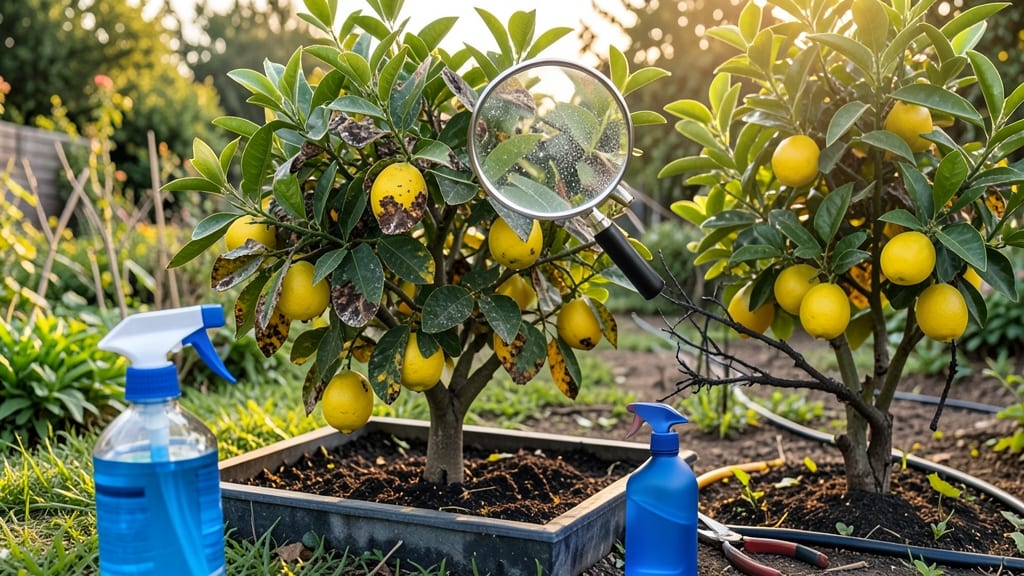
Citrus trees losing leaves to fungus? That black spot creeping up the branches? I’ve battled citrus scab and root rot in my grove, and I’ll show you how to stop it organically—no harsh chemicals needed.
The key is catching it early, when you still see those dark, greasy spots on leaves or the soil smells musty near the roots.
Most fungus thrives when citrus trees get stressed—too much water, poor airflow, or old pruning wounds. I learned the hard way that skipping pruning or ignoring mulch buildup turns a healthy tree into a fungus buffet.
But the good news? A few simple fixes—like copper sprays, proper spacing, and the right soil mix—can turn things around in weeks.
By the end of this, your tree will be fighting back with new, spot-free leaves and strong roots. You’ll know exactly what to look for, how to treat it, and—most importantly—how to keep your citrus tree healthy so fungus never gets a foothold again.
Let’s get your tree back to thriving.
The best part? These methods work for lemon, lime, orange, and grapefruit trees alike, whether you’re dealing with leaf spot, melanose, or root rot. No more watching your harvest shrink because of fungus—just lush, productive trees year after year.
Root Causes of Citrus Tree Fungus
Fungal infections in citrus trees rarely happen by chance—they’re usually the result of a perfect storm of environmental, biological, or cultural factors. Understanding these triggers is the first step to prevention and organic treatment.
Below, we break down the key reasons your citrus tree might be battling fungus, with science-backed explanations and actionable insights.
Fungi thrive in wet conditions, and citrus trees are especially vulnerable when their roots sit in soggy soil for too long. Here’s why:
- Anaerobic soil (lack of oxygen) weakens roots, making them easier targets for pathogens like Phytophthora (root rot) or Colletotrichum (anthracnose).
- Excess moisture on leaves creates a film that traps fungal spores, accelerating spread.
- Compacted or clay-heavy soil slows drainage, prolonging moisture exposure.
💡 Pro Tip: Test your soil’s drainage by digging a 6-inch hole, filling it with water, and timing how long it takes to drain. If it’s slower than 4–6 hours, amend with compost or perlite to improve aeration.
Citrus trees with crowded branches or thick foliage trap humidity, creating ideal conditions for fungal spores to germinate. Common offenders include:
- Leaf spot diseases (Alternaria, Cercospora)—spores splash from leaf to leaf in damp air.
- Powdery mildew (Oidium)—spreads rapidly in shaded, low-airflow areas.
🔥 Action Step: Prune to open the canopy, aiming for 12–18 inches of space between branches to encourage airflow. Remove dead or overlapping branches first—they’re fungus magnets.
Fungi like Citrus Canker (Xanthomonas) and Melanose (Diaporthe) exploit unpredictable weather:
- Cool, wet springs (50–75°F) trigger spore germination.
- High humidity (above 75%) keeps fungal hyphae active for days.
- Sudden temperature drops (e.g., nighttime frost followed by warm days) stress trees, lowering their resistance.
✨ Science Note: Fungal spores often overwinter in fallen leaves or bark, then erupt when conditions warm up. Rake up debris in early spring to starve them of a food source.
Stressed citrus trees are fungal sitting ducks. Common stressors include:
- Nutrient deficiencies (especially magnesium or zinc), which weaken cell walls.
- Pests (aphids, scale) that damage leaves, creating entry points for fungi.
- Improper pruning (cutting too close to branches) invites infections like canker.
🎯 Prevention Checklist:
- Fertilize with citrus-specific organic blends (low nitrogen, high potassium).
- Inspect leaves weekly for pests—neem oil is a natural deterrent.
- Avoid heavy pruning in wet seasons; opt for dry, mild days.
Fungal spores hitchhike on pruners, shovels, and even water from contaminated sources. Examples:
- Reusing infected pruners spreads Citrus Canker across trees.
- Using untreated compost with fungal pathogens (e.g., Armillaria root rot).
- Splashing water from infected irrigation systems.
🔪 Sanitation Protocol:
- Disinfect tools with 70% rubbing alcohol or a 10% bleach solution between uses.
- Sterilize soil by solarizing (covering with clear plastic for 4–6 weeks in hot sun).
- Avoid overhead watering—use drip irrigation to keep foliage dry.
Some locations are fungal hotspots due to:
- Low-lying areas (poor drainage).
- Shady spots (high humidity, slow drying).
- Monoculture orchards (fungi spread easily between identical trees).
📊 Data Point: Studies show citrus trees in subtropical climates (like Florida or California’s Central Valley) face 30–50% higher fungal pressure than drier regions.
🌱 Solution: Choose resistant varieties (e.g., ‘Meyer Lemon’ for mildew tolerance) and plant in slightly elevated beds with sand or gravel for drainage.
Fixing Fungal Issues Naturally
Fungal infections in citrus trees can feel overwhelming, but with the right organic approach, you can restore your tree’s health—and even prevent future outbreaks. Below, we map common citrus tree fungal problems to practical, eco-friendly solutions, including step-by-step fixes and proactive prevention tips.
Leaf spot diseases (like Cercospora or Alternaria) turn citrus leaves into unsightly, discolored messes. Here’s how to tackle them:
🔥 Remove Infected Leaves
- How: Snip off and dispose of all spotted leaves (don’t compost them—fungus can survive).
- Pro Tip: 💡 Use sterilized pruners (wipe with rubbing alcohol) to avoid spreading spores.
🍳 Apply Organic Fungicides
- Neem Oil Spray: Mix 1 tbsp neem oil + 1 tsp mild soap + 1 quart water. Spray every 7–10 days until new growth appears.
- Baking Soda Solution: Combine 1 tbsp baking soda + 1 tsp oil + 1 gallon water.
Spray early morning to avoid leaf burn. - Copper Fungicide (organic): Use copper soap or copper hydroxide (follow label rates) for severe cases.
🌡️ Improve Airflow & Light
- Thin out dense branches to let sunlight and air circulate.
- Water at the base (avoid overhead spraying, which spreads spores).
Root rot (Phytophthora or Fusarium) turns citrus roots mushy and kills trees if ignored. Act fast with these steps:
⏰ Drain the Soil Immediately
- How: Dig a 1-inch-deep trench around the tree’s drip line to redirect water away from roots.
- Fix soggy soil: Mix in perlite or coarse sand to improve drainage.
🔪 Prune Damaged Roots (Carefully!)
- When: Only if the tree is severely affected (healthy roots are white; rotten ones are brown/mushy).
- How: Use sterilized tools to trim dead roots, then dust cuts with cinnamon powder (natural antifungal).
🌿 Switch to Drip Irrigation
- Why: Overhead watering worsens rot. Use soaker hoses or drip emitters for slow, deep watering.
- Water Schedule: 1–2 times per week (deep soak, not frequent light watering).
An ounce of prevention beats a pound of cure. Keep your citrus tree fungus-free with these habits:
🌡️ Soil & Mulch Care
- Test soil pH: Citrus thrives in slightly acidic soil (6.0–7.0). Amend with elemental sulfur if too alkaline.
- Mulch properly: Use wood chips (not fresh sawdust)—keep mulch 3–4 inches away from the trunk to prevent rot.
🍯 Boost Tree Immunity
- Fertilize with compost (rich in microbes that outcompete fungus).
- Spray with compost tea (homemade or store-bought) monthly to strengthen defenses.
🚫 Avoid Common Mistakes
- ❌ Don’t plant citrus in low spots (water pools there).
- ❌ Skip leaf wetness—water early in the day so leaves dry by evening.
- ❌ Over-fertilize with nitrogen (weakens tree immunity).
Final Pro Tip: 🎯 Monitor your tree weekly—catch fungal signs early, and your citrus will stay lush and disease-free! For stubborn cases, repeat treatments until two healthy leaf cycles pass.
Frequently asked questions
How do I tell if my citrus tree has fungus?
Look for dark, greasy spots on leaves (leaf spot), powdery white coatings (mildew), or mushy roots (root rot). Check undersides of leaves for yellowing or blackened patches—these are classic signs. Early detection means easier treatment!
Can I use vinegar to treat citrus tree fungus?
Not directly—vinegar’s acidity can burn leaves. Instead, use a 1% hydrogen peroxide solution (3% diluted with water) as a natural fungicide. Spray on leaves weekly, but avoid overhead application to prevent leaf damage.
Why does my citrus tree keep getting fungus even after treatment?
Fungus often returns due to poor airflow, overwatering, or untreated soil. Prune to open the canopy, switch to drip irrigation, and sterilize tools. Fungal spores linger in old mulch—replace it with fresh, disease-free wood chips.
Is copper spray safe for all citrus varieties?
Yes, organic copper fungicides (like copper soap) are safe for lemons, limes, oranges, and grapefruit. Follow label instructions—typically every 2–4 weeks during wet seasons. Avoid applying when rain is forecasted to prevent runoff.
How long does it take to see improvement after treatment?
With consistent care, you’ll notice new growth in 2–4 weeks. Stubborn cases (like root rot) may take 3–6 months to fully recover. Monitor weekly and repeat treatments until two healthy leaf cycles appear.