
Pruning
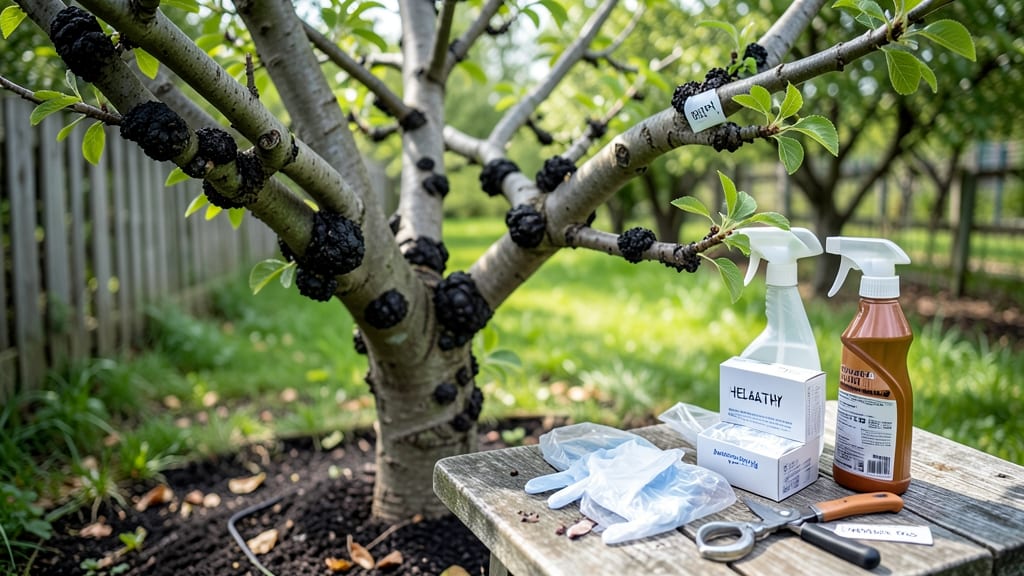
The plum tree black knot treatment doesn’t need to be a permanent sentence. I've saved trees from this ugly fungal infection by following these four straightforward steps that actually work—no mystery involved.
The key is catching it early, cutting it out properly, and stopping it from spreading like a bad rumor through your orchard.
The dark, swollen knots you see on branches are actually hardened fungal growths that choke off nutrients. Most people panic and over-prune, but the real secret is timing—remove infected branches in dormant season (late winter) when the fungus is least active.
Sterilize your pruners with rubbing alcohol between cuts, or you'll just spread it around your tree.
Within a season, you'll see fresh, knot-free growth where the infection once ruled. The tree recovers faster than you'd expect, and with annual preventive sprays of copper fungicide or neem oil, you'll keep new infections from taking hold. It's not about fighting the fungus—it's about outsmarting it.
Works for all plum varieties, from ornamental trees to fruit-bearing varieties. The same principles apply whether you've got one tree or a whole grove. Let's get those branches clean and your tree thriving again.
The Hidden Triggers Behind Black Knot
Black knot disease isn’t just a random attack on your plum tree—it’s the result of a perfect storm of fungal activity, environmental conditions, and tree stress.
Understanding why it happens is the first step to stopping it before it spreads. Let’s break down the key culprits behind this stubborn fungal infection.
The black knot fungus, Apiosporina morbosa, thrives in humid, wet conditions and spreads via tiny spores. These spores:
- Lurk in infected wood: Old knots or cankers from previous infections release spores when pruned or damaged.
- Travel on wind and rain: Spores hitch rides to healthy branches, especially during spring rains or high humidity.
- Germinate in moisture: Wet bark (like after prolonged rain or overhead watering) creates the ideal breeding ground.
Actionable insight: Remove infected branches immediately—don’t leave them in the yard. Burn or bag them (don’t compost!) to prevent spore recycling.
Black knot doesn’t strike randomly—it exploits specific weather triggers:
| Factor | Why It Matters | Risk Window |
|---|---|---|
| 💧 Prolonged wetness | Spores need moisture to germinate. Bark stays damp for >48 hours = fungal feast. | Spring (bud break) to early summer |
| ☁️ High humidity | Humidity >70% slows drying, keeping spores active longer. | Late summer to fall (especially after storms) |
| 🌬️ Wind and rain | Spores spread faster in storms; wounds from wind damage invite infection. | Year-round, but peak in spring |
Pro tip: 🌡️ Monitor your local leaf wetness duration (check weather apps). If bark stays wet for >24 hours, it’s prime infection time.
A healthy plum tree can resist black knot, but stress opens the door for infection. Common stressors include:
- 🪓 Poor pruning practices: Jagged cuts or pruning in wet weather create entry points for spores.
- 💧 Over/under-watering: Drought stress or waterlogged roots weaken the tree’s immune response.
- ⚗️ Nutrient deficiencies: Low nitrogen or zinc reduces bark toughness, making it easier for spores to penetrate.
- 🐛 Pest damage: Borers or aphids create wounds that fungi exploit.
Key takeaway: Stress = vulnerability. Keep your tree well-fed, properly pruned, and hydrated to fend off fungal attacks.
Black knot spreads faster in dense plantings where:
- Airflow is poor: Stagnant, humid air traps spores near branches.
- Spores jump between trees: Infected leaves or branches brush against healthy ones, transferring the fungus.
- Debris isn’t cleared: Fallen infected wood or leaves harbor spores for years.
Solution: Thin out branches to improve airflow, and sanitize tools between trees (use 70% rubbing alcohol or bleach solution).
How to Treat Black Knot Disease
Black knot disease may sound intimidating, but with the right approach, you can restore your plum tree’s health—and even prevent future outbreaks. The key is acting fast, using the right tools, and following a step-by-step treatment plan tailored to the severity of the infection.
Below, we break down cause-specific solutions, from early-stage intervention to advanced pruning techniques, plus prevention tips to keep your tree thriving.
If you spot small, black, swollen knots (early signs of Apiosporina morbosa) on your plum tree’s branches, act immediately to stop the fungus from spreading.
🍳 Prune Infected Branches Properly
- 🔪 Cut 6–12 inches below the knot—the fungus can linger in infected wood, so don’t just trim at the knot’s base.
- Sterilize your pruners between cuts with rubbing alcohol (70% or higher) or a 10% bleach solution (1 part bleach to 9 parts water).
- Remove all infected tissue, even if it means sacrificing small branches.
Healthy growth relies on aggressive pruning early on.
🌡️ Apply Fungicide for Extra Protection
- Use a copper-based fungicide (like Bordeaux mixture or copper sulfate) or a sulfur fungicide during dormant season (late winter/early spring).
- For active infections, reapply every 2–4 weeks until new growth appears.
- ✨ Pro Tip: Mix 1 tsp baking soda + 1 tbsp vegetable oil + 1 quart water as a low-cost, organic alternative for mild cases.
If black knots have spread widely or cankers are oozing, your tree needs intensive care to recover.
🔪 Prune for Structural Health
- Remove all infected branches, even if it means thinning the canopy—this helps the tree redirect energy to new growth.
- Shape the tree to improve airflow, reducing humidity (a fungus’s best friend).
- 💡 Pro Tip: If 50%+ of the tree is infected, consider replacing it—some varieties (like European plums) are more susceptible than others (e.g., American plums).
🥘 Soil & Tree Strengthening
- Fertilize with compost or balanced 10-10-10 to boost the tree’s immune system.
- Water deeply but less frequently—soggy soil encourages fungal growth.
- Mulch with wood chips (not fresh bark) to improve drainage and reduce soil-borne spores.
An ounce of prevention is worth a pound of cure! Follow these long-term strategies to protect your plum tree:
🌿 Cultural Practices
- Prune in late winter/early spring (dormant season) to remove last year’s knots before spores spread.
- Clean up fallen leaves & debris—burn or compost them far from the tree (do not use in garden beds).
- Avoid overhead watering—water at the base to keep foliage dry.
🛡️ Fungicide Schedule
- Apply fungicide 2–3 times per year:
- Before buds swell (early spring)
- After harvest (summer)
- Fall cleanup (after leaf drop)
- Rotate fungicides (e.g., copper one year, sulfur the next) to prevent resistance.
🌱 Choose Resistant Varieties
If black knot is rampant in your area, opt for disease-resistant plum varieties like:
- Stanley
- Montgomery
- Methley
If your tree is beyond saving or you’re unsure about pruning, consult a local arborist or cooperative extension service—they can provide diagnostic testing and professional treatment plans.
By following these practical, step-by-step solutions, you’ll not only treat black knot disease but also prevent future outbreaks, ensuring your plum tree stays healthy, productive, and beautiful for years to come. 🍑🌳
Frequently asked questions
Can I use household items like vinegar to treat black knot?
While vinegar can help disinfect tools, it's not effective as a standalone treatment for black knot. The fungus thrives in moist conditions, and vinegar's acidity won't penetrate the hardened knots. For best results, use a dedicated copper fungicide or 10% bleach solution to sterilize pruning tools between cuts. For organic options, neem oil or baking soda mixes work better than vinegar alone.
How do I know if my plum tree is too far gone to save?
If 50% or more of the branches show black knots, oozing cankers, or widespread dieback, the tree may be beyond saving. Look for new growth—if you see none after treatment, consider replacing it. Young trees or those with only small, isolated knots can often recover with proper pruning and fungicide applications.
Why does black knot spread faster in some years than others?
Black knot thrives during wet springs with high humidity (>70%) and prolonged leaf wetness. Windstorms also spread spores faster. Check your local leaf wetness duration—if bark stays damp for 48+ hours, it’s prime infection time. Prune during dormant season (late winter) to minimize spore spread when conditions are driest.
Is it safe to compost infected plum tree branches?
No, never compost branches with black knot—the spores survive and reinfect your garden. Burn infected wood or bag it for trash pickup. If composting is mandatory, bury infected material deeply (3+ feet) and avoid using that compost near plum trees for at least 1 year.
How often should I apply fungicide after treating black knot?
Apply fungicide 3 times per year: before bud break (early spring), after harvest (summer), and fall cleanup (after leaf drop). For severe cases, add a 4th application in late winter. Rotate between copper and sulfur fungicides to prevent resistance—never use the same product consecutively.