
Diseases
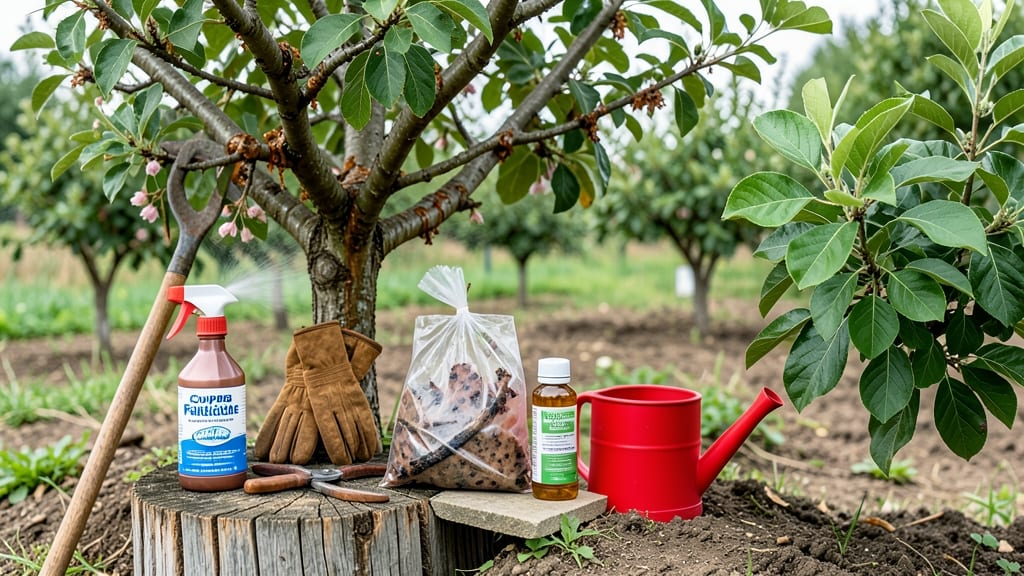
Your plum tree’s leaves curled and spotted overnight—until I learned to spot a plum tree diseases treatment early. 🌿 Fungal blight turns vibrant foliage into a sad, brown mess, but organic treatments can save your tree if you act fast.
The key is catching symptoms early: blackened fruit, leaf spots, or that telltale gray mold on branches.
Brown rot thrives when wet conditions linger, and silver leaf disease spreads through infected pruning tools. I’ve treated both with copper fungicide sprays and pruned infected branches 6 inches below the damage—always sterilizing my tools with rubbing alcohol between cuts.
Prevention is easier than cure: thin canopies for airflow and rake up fallen fruit before it rots.
You’ll see new growth within 2-3 weeks if you start treatments early. The tree may look rough at first, but consistent care rebuilds its strength. For severe cases, a professional arborist can assess whether the tree’s worth saving—or if replanting is the smarter move.
This works for home orchards, urban yards, and even container-grown plums. The same principles apply to peaches and cherries too. Let’s get your tree back to producing those sweet, juicy fruits.
Root Causes Of Plum Tree Ailments
Plum trees are resilient, but they’re not invincible. When diseases strike, understanding the why behind them is half the battle. Fungal infections, bacterial invasions, and environmental stressors don’t just appear out of nowhere—they thrive because of specific conditions.
Let’s break down the real culprits behind plum tree diseases and why they take hold.
🌡️ The Problem: Fungi like Monilinia (causing brown rot) and Botryosphaeria (linked to dieback) love damp, stagnant environments. When plum trees sit in soggy soil or face prolonged leaf wetness, fungal spores germinate like weeds.
Why It Happens:
- Poor Drainage: Compacted or clay-heavy soil traps water at the roots, creating a fungal buffet. 🍄
- Overhead Watering: Splashing water onto leaves (especially in the evening) keeps foliage damp for hours—perfect for spore germination.
- High Humidity: Plum trees in shaded or humid microclimates (like valleys or greenhouses) suffer more fungal pressure.
- Wounded Bark: Pruning cuts or storm damage expose fresh tissue, giving fungi a direct entry point.
Actionable Insight: 💡 Fungi spread fastest when conditions are "just right"—warm temps (60–80°F) + moisture. Break the cycle with proper spacing, drip irrigation, and fungicide sprays before symptoms appear.
🔪 The Problem: Bacteria like Xanthomonas (causing bacterial spot) and Pseudomonas (linked to canker) don’t fly—they hitch rides on tools, insects, or wounds.
Why It Happens:
- Dirty Pruning Tools: A single cut with a contaminated saw can introduce bacteria into the tree’s vascular system. 🪓
- Insect Activity: Sap-sucking pests (like scales or aphids) create entry points, and their honeydew feeds secondary fungal infections.
- Hail or Wind Damage: Torn bark or broken branches expose xylem tissues, inviting bacterial colonization.
- Improper Grafting: Poorly healed grafts or rootstock injuries weaken defenses, making trees susceptible to bacterial invasion.
Actionable Insight: ✨ Sterilize tools with 70% isopropyl alcohol between cuts, and avoid pruning during wet weather to minimize bacterial spread.
📊 The Problem: A plum tree starved of key nutrients can’t fight off pathogens. Deficiencies in potassium (K), calcium (Ca), or zinc (Zn) cripple its immune response.
Why It Happens:
- Imbalanced Soil pH: Acidic soil (pH < 6.0) locks out calcium and magnesium, while alkaline soil (pH > 7.5) reduces zinc availability. 🌱
- Over-Fertilization with Nitrogen: Too much N promotes lush foliage but starves roots of phosphorus (P) and potassium (K), weakening structural integrity.
- Poor Soil Structure: Sandy soils drain too fast, leaching nutrients; clay soils bind them too tightly for roots to access.
- Competition from Weeds: Aggressive ground cover steals nutrients, leaving the plum tree malnourished and stressed.
Actionable Insight: 💪 Test soil annually and amend with compost, wood ash (for calcium), or greensand (for potassium). A balanced 10-10-10 fertilizer in early spring can restore vigor.
🌡️ The Problem: Extreme heat, drought, or sudden temperature swings shock plum trees, making them easy targets for pathogens.
Why It Happens:
- Drought Stress: Without enough water, cells collapse, and the tree’s cuticle (protective skin) cracks, inviting fungal spores. 💦
- Heatwaves: Temperatures above 90°F disrupt the tree’s metabolic processes, reducing its ability to produce antifungal compounds.
- Late-Freeze Damage: New shoots emerging after a false spring get frostbitten, creating wounds that bacteria exploit.
- Urban Pollution: Ozone and sulfur dioxide damage leaf surfaces, making them more permeable to pathogens.
Actionable Insight: 🌿 Mulch heavily in summer to retain moisture, and avoid overhead watering during heatwaves. Choose disease-resistant varieties (like ‘Santa Rosa’ plums) if your climate is prone to extremes.
🌬️ The Problem: Dense foliage or crowded plantings create a greenhouse effect, trapping humidity and spores against the tree.
Why It Happens:
- Overcrowded Orchards: Plum trees planted too closely (within 15–20 feet) shade each other, slowing airflow and drying.
- Thick Canopies: Heavy pruning isn’t always the answer—some varieties (like ‘Methley’) need open-center shaping to improve ventilation.
- Nearby Weeds/Grass: Ground cover blocks airflow at the base, keeping the trunk damp.
- Greenhouse Growing: Plastic tunnels or high humidity indoors accelerate fungal spread.
Actionable Insight: ⏰ Prune to thin out the center of the tree by 20–30%, and space new plantings 20+ feet apart. Use a fan in greenhouses to reduce humidity below 70%.
Quick Fixes For Common Plum Tree Ailments
Plum trees are resilient, but when diseases strike, fast action is key to saving your harvest. Below are practical, organic solutions tailored to the most common fungal and bacterial threats—plus prevention tips to keep your tree thriving. No harsh chemicals needed!
Cause: Apiosporina morbosa (those ugly, black, swollen knots on branches). Solution:
- 🔪 Prune Infected Branches
- Use sterilized pruners (wipe with rubbing alcohol between cuts).
- Cut 6–12 inches below the knot—fungus hides inside the wood.
- Dispose of infected branches in the trash (don’t compost!).
- 🌿 Apply Copper Fungicide Spray
- Mix 1 tbsp baking soda + 1 quart water + 1 tsp horticultural oil (or use store-bought copper fungicide).
- Spray every 7–10 days during wet seasons (spring/fall).
- 🌳 Improve Airflow
- Thin out dense foliage to reduce humidity near branches.
💡 Prevention Tip: Prune in late winter/early spring (before spores spread). Avoid wounding branches during rainy weather.
Cause: Monilinia fructicola (mushy, brown fruit + twig cankers). Solution:
- 🍎 Remove All Infected Fruit
- Pick up every fallen plum—they’re spore factories!
- Burn or trash them (don’t mulch).
- 🧼 Clean Up Debris
- Rake and remove mummified fruit from the ground and tree.
- Sterilize tools after pruning cankers.
- 🌱 Use Organic Fungicides
- Spray neem oil (2%) or potassium bicarbonate (1 tbsp/gallon) before blooms open and after harvest.
✨ Pro Tip: Plant resistant varieties like ‘Santa Rosa’ or ‘Stanley’ to reduce risk.
Cause: Podosphaera oxycocca (white, powdery coating on leaves). Solution:
- 🧼 Blast Off with Soap Spray
- Mix 1 tbsp insecticidal soap + 1 quart water and spray both sides of leaves (early morning).
- Repeat every 5–7 days until gone.
- 💦 Reduce Leaf Wetness
- Water at the base (not overhead) and avoid late-day watering.
- Space trees 6–10 feet apart for better airflow.
- 🍂 Mulch Smartly
- Use straw or wood chips (not thick layers) to keep soil dry.
🔥 Prevention Tip: Apply compost tea (rich in beneficial microbes) to boost tree immunity.
Cause: Xanthomonas or Pseudomonas (water-soaked spots → holes). Solution:
- 🚫 Remove Damaged Leaves
- Pick off spotted leaves and destroy them (don’t compost).
- 🛡️ Copper Spray Schedule
- Use copper fungicide (like Bonide Copper Fungicide) every 2 weeks during rainy spells.
- First spray: At bud break (early spring).
- 🌧️ Adjust Watering
- Water deeply but infrequently (early morning only).
🎯 Long-Term Fix: Plant in full sun (6+ hours/day) to speed up leaf drying.
Keep these go-to tools handy for emergencies:
| Problem | Quick Fix | Prevention |
|---|---|---|
| Fungal spores | Copper spray + pruning | Sterilize tools between trees |
| Bacterial spread | Remove infected parts + copper | Avoid overhead watering |
| Weakened tree | Compost tea + mulch | Test soil pH (aim for 6.0–7.0) |
🌟 Final Reminder: Prevention > Cure! A healthy tree fights disease better than any spray. Focus on: ✅ Proper spacing (30+ ft between trees for airflow) ✅ Regular pruning (remove dead wood yearly) ✅ Balanced fertilization (avoid nitrogen overload)
With these steps, your plum tree will bounce back—and next season’s fruit will be disease-free! 🍑💚
Frequently asked questions about plum tree diseases
How do I tell if my plum tree has silver leaf disease?
Look for leaves that appear silvery or iridescent on the underside, even when the top stays green. The disease also causes black streaks in the wood and dieback of branches. This fungal infection spreads through infected pruning tools, so always sterilize them with rubbing alcohol between cuts.
Can I save my plum tree if it already has brown rot?
Yes, but act fast! Remove all infected fruit and branches 6 inches below the damage, then apply copper fungicide every 7-10 days during wet seasons. Prune in late winter to prevent spore spread, and avoid overhead watering to reduce leaf wetness.
What’s the best organic treatment for bacterial spot?
Use a copper fungicide spray (like Bonide Copper) every 2 weeks starting at bud break. Remove and destroy infected leaves immediately, and water only at the base in early morning to keep foliage dry. Resistant varieties like 'Santa Rosa' can also help prevent future outbreaks.
Why does my plum tree keep getting powdery mildew?
This fungal disease thrives in humid conditions with poor airflow. Thin out dense branches to improve circulation, water at the base (not overhead), and apply a mix of 1 tbsp insecticidal soap + 1 quart water every 5-7 days until cleared. Mulch with straw to keep soil dry.
When should I call an arborist for my plum tree?
Consult a professional if you see 50%+ dieback, oozing cankers, or if your tree hasn't responded to treatments after 4-6 weeks. Severe cases may require systemic fungicides or complete removal to prevent spread to other fruit trees. Early intervention saves more trees than waiting!