
Propagation
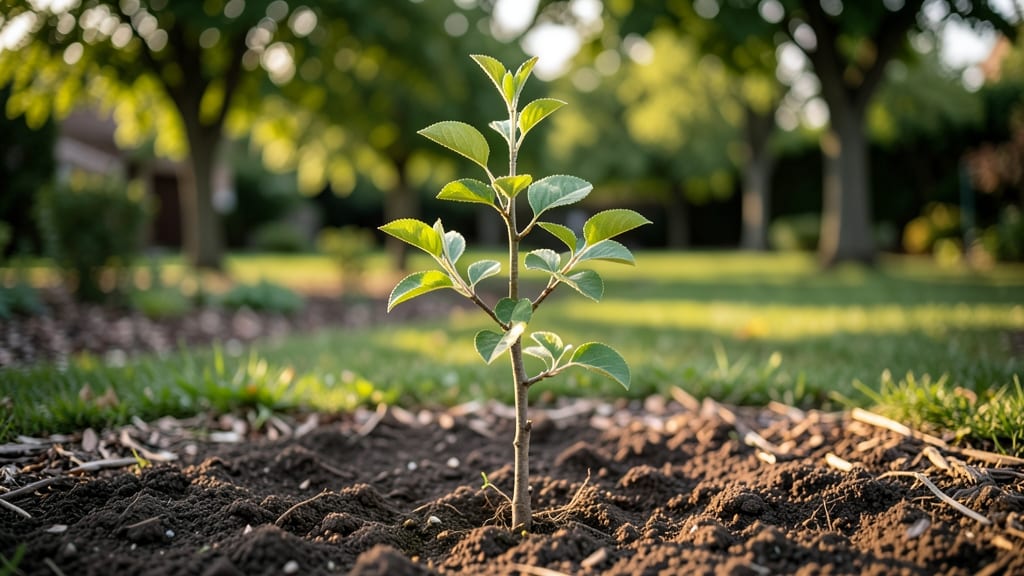
Growing a Pink Lady apple tree from seed is a marathon, not a sprint—think 7+ years before fruit appears, but the journey starts with that first crunchy seed. 🌱 I’ve tried it twice, and while the results won’t match grafted trees, there’s something magical about watching a seedling become a cold-hardy sapling that might just surprise you with fruit someday.
The real secret? Patience and the right conditions. You’ll need a cold stratification period (like winter outdoors or a fridge for 6-8 weeks), well-draining soil, and a sunny spot.
Most seeds won’t germinate—only about 10% will—but when they do, those first green leaves feel like a promise of something greater.
By year three, your seedling will be a sturdy 3-foot sapling with a strong root system, ready for transplanting. The branches will start looking like apple tree relatives, and with proper pruning, it could even survive winters down to -20°F.
It won’t be a true Pink Lady, but the cold hardiness makes it a unique keepsake.
Fair warning: This isn’t a quick project. If you’re in it for the fruit, grafting is the way to go—but if you love the adventure of growing from seed, this is where the real story begins. Let’s get those seeds started!
📚 In This Guide
- What you need
- Instructions
- Tips and common mistakes
- Wrapping up and next steps
What you need
- ● Growing a Pink Lady apple tree from seed is an exciting journey, but it starts with the right tools and materials! Here’s what you’ll need to kick off your cold-hardy orchard adventure:
- ● Pro tip: 💡 If you’re impatient like us, soak seeds in warm water for 24 hours before planting—it can jumpstart germination!
How to grow a Pink Lady apple tree from seed
Here's my foolproof method for starting Pink Lady apple trees from seed—it takes patience, but the payoff is worth it.
🌱 Step 1: Select and Prepare the Seeds
Start with fresh, high-quality Pink Lady apple seeds—never use store-bought apples, as they’re often treated to prevent sprouting. Remove seeds from the fruit, rinse them clean, and let them dry for 24 hours at room temperature. This prevents mold and prepares them for stratification.
Place the dried seeds in a paper towel or moistened vermiculite in a sealed plastic bag. Store them in the refrigerator for 6-8 weeks to simulate winter. Check weekly—they should feel damp but not soggy. This cold treatment breaks dormancy and ensures better germination rates.
💧 Step 2: Stratify and Germinate the Seeds
After stratification, remove the seeds and plant them ½ inch deep in a sterile seed-starting mix inside small pots or a seed tray. Keep the soil moist but not wet—overwatering causes rot. Place the pots in a warm, dark location (around 70°F) until sprouts appear, which can take 3-6 weeks.
Once seedlings emerge, move them to a bright, indirect light spot. Avoid direct sunlight at first—young seedlings are delicate. Watch for first true leaves (not the initial seed leaves) before transplanting. This ensures they’re strong enough to handle the next step.
☀️ Step 3: Transplant Seedlings for Strong Growth
When seedlings have 3-4 true leaves and are about 4-6 inches tall, transplant them into individual 4-inch pots with fresh potting mix. Choose a well-draining blend to prevent root rot. Place the pots in a sunny window or under grow lights for 14-16 hours daily. Pink Lady apple trees need plenty of light to develop properly.
Water gently at the base—avoid wetting the leaves to prevent fungal issues. Keep the soil evenly moist but never waterlogged. If the seedlings grow leggy (stretched and weak), they need more light. Adjust the light source or rotate the pots weekly for even growth.
🪴 Step 4: Harden Off and Plant Outdoors
Before moving seedlings outdoors, harden them off over 2-3 weeks. Start by placing them outside in a shaded, sheltered spot for 1-2 hours the first day, gradually increasing time and sun exposure. This helps them adjust to outdoor conditions without shock.
Plant the hardened-off seedlings in a permanent location after the last frost when soil temperatures reach at least 60°F. Choose a spot with full sun (6+ hours daily) and well-draining soil. Space them 15-20 feet apart—apple trees need room to grow. Mulch around the base to retain moisture and regulate soil temperature.
⏰ Step 5: Care for Long-Term Growth
Water deeply once a week (or more in extreme heat) to encourage deep root growth. Apple trees are drought-tolerant once established, but young trees need consistent moisture. Fertilize in early spring with a balanced fruit-tree fertilizer to support growth.
Prune in late winter to remove dead or crossing branches and shape the tree. Thin out excess fruit in early summer to improve size and quality. Pink Lady apple trees grown from seed may not produce true-to-type fruit—expect variations in flavor and size. For consistent results, graft a Pink Lady scion onto the seedling later.
Tips & tricks for growing Pink Lady apple trees from seed
Growing apple trees from seed is a rewarding but delicate process—here's how to avoid common pitfalls and give your seedlings the best start possible.
Seed Selection Matters: Never use seeds from store-bought apples—they're often treated to prevent sprouting. Instead, save seeds from homegrown Pink Lady apples or purchase untreated seeds from a reputable nursery. The quality of your starting seeds makes all the difference in germination rates. I've found that seeds from organic apples tend to perform better, possibly due to fewer chemical treatments.
Stratification Success: During the 6-8 week cold stratification in Step 1, check your seeds weekly to ensure they remain damp but not soggy. If condensation appears inside the bag, open it briefly to allow moisture to escape. This mimics natural winter conditions and breaks seed dormancy—critical for successful germination. I've learned the hard way that soggy seeds lead to mold rather than sprouts.
Light Management: Once your seedlings emerge in Step 2, move them to bright, indirect light immediately. Direct sunlight can scorch delicate seedlings, while insufficient light causes leggy growth. I use a simple grow light on a timer for 14-16 hours daily—this consistent light schedule prevents the weak, stretched stems that signal light deprivation. Rotate your pots weekly to ensure even growth.
Transplant Timing: Wait until seedlings have 3-4 true leaves and reach 4-6 inches tall before transplanting in Step 3. This size ensures they have strong enough root systems to handle the stress of repotting. I've seen many gardeners rush this step, only to have seedlings fail to thrive after transplanting. Patience at this stage pays off in stronger, more resilient trees.
Pro Tips for Pink Lady Apple Tree From Seed
- Growing apple trees from seed is a rewarding but delicate process—here's how to avoid common pitfalls and give your seedlings the best start possible.
- Seed Selection Matters: Never use seeds from store-bought apples—they're often treated to prevent sprouting.
- Stratification Success: During the 6-8 week cold stratification in Step 1, check your seeds weekly to ensure they remain damp but not soggy.
Frequently asked questions
Got questions about growing a Pink Lady apple tree from seed?
You’re not alone! Here are some of the most common concerns—and straightforward answers—to help you navigate the process like a pro.
How long does it take for a Pink Lady apple seed to germinate?
A Pink Lady apple seed typically germinates in 3 to 6 weeks when kept in warm, moist conditions (around 70°F). Patience is key—some seeds may take longer, especially if stored improperly. Pro tip: Soak seeds overnight before planting to speed up germination!
Will a Pink Lady apple grown from seed produce true-to-type fruit?
Probably not! Apple trees grown from seed are highly unpredictable—your seedling may bear fruit, but it won’t be a Pink Lady. For guaranteed results, graft a Pink Lady scion onto a rootstock or buy a young tree.
What’s the best climate for growing a Pink Lady apple tree from seed?
Pink Lady apples thrive in USDA Zones 5-8, where winters are cold but not extreme. If you’re in a warmer zone, provide shade during peak summer heat. Seedlings are delicate—harden them gradually to prevent shock.
How do I troubleshoot a seedling that isn’t growing?
Check these common issues:
No germination? Seeds may need stratification (cold treatment) or freshness.
Leggy or weak? Too little light—move to a sunny spot (6+ hours/day).
Yellow leaves? Overwatering or poor drainage. Let soil dry slightly between waterings.
Pro tip: Use a humidity dome or plastic wrap to retain moisture while seedlings establish.Can I grow a Pink Lady apple tree indoors?
Not reliably! Apple trees need outdoor pollination and seasonal cycles to fruit. However, you can grow a dwarf variety in a very large container (with proper sunlight) as a bonsai-style tree—just don’t expect apples! For fruit, outdoor planting is a must.
Wrapping up and next steps
Growing a Pink Lady apple tree from seed is a rewarding journey that combines patience, care, and a touch of horticultural magic! 🌱 While it may take years to bear fruit, the process is a fantastic way to connect with nature and nurture a cold-hardy variety that thrives in diverse climates.
Once you’ve mastered the basics—from seed selection to proper grafting—you’ll be well on your way to enjoying homegrown, sweet-tart apples for generations.
Ready to take the next step? Start by researching local grafting partners or exploring cold-hardy rootstock options to ensure your tree’s long-term success. Happy planting—your future orchard awaits! 🍏✨