
Pruning
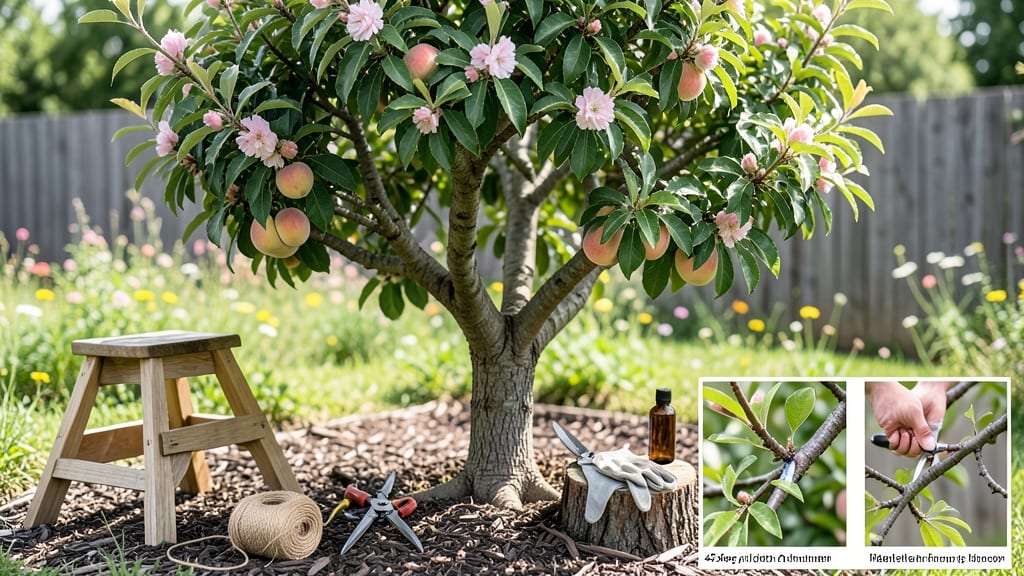
A peach tree pruning guide isn’t just about shaping—it's about unlocking bigger harvests and healthier growth. ✂️ I learned the hard way that skipping this step means fewer fruits, more disease, and a tree that struggles to support its own weight.
The right cuts at the right time turn a struggling peach tree into a fruit-bearing powerhouse. Start with the basics: clean, sharp pruners and a clear plan. You'll focus on three key goals—removing dead wood, opening the canopy for sunlight, and encouraging strong branch structure.
My first pruning session took under an hour but changed how my tree looked and performed for years. The secret? Prune when the tree is dormant in late winter, then do light maintenance in summer to keep it thriving.
What you'll end up with is a peach tree that produces juicier, sweeter fruit while staying strong against storms and pests. The branches will spread evenly, letting sunlight reach every part of the tree. You'll see new growth within weeks, and by next season, your harvest will be noticeably better.
This works for both young trees you're shaping and mature trees needing rejuvenation. Let's get those branches looking like a pro's—your future peach cobbler depends on it.
📚 In This Guide
- What you need
- Instructions
- Tips and common mistakes
- Wrapping up and next steps
What you need
- ● Pruning shears: Bypass pruners (4-6 inches) for small branches (25% of your cuts). Choose sharp, stainless steel blades for clean cuts.
- ● Loppers: Bypass or anvil type (8-12 inches) for branches ½ to 2 inches thick. Look for ratcheting handles for extra leverage.
- ● Pruning saw: Curved-tooth or folding saw for branches over 2 inches thick. A bow saw is ideal for larger limbs.
- ● Gloves: Heavy-duty, cut-resistant (leather or synthetic blend) to protect hands from thorns and rough bark.
- ● Ladder: Aluminum or fiberglass (extendable, 10-14 ft) for reaching higher branches. Never use a wooden ladder—it’s a fire hazard.
- ● Disinfectant: 70% isopropyl alcohol or bleach solution (1 part bleach to 9 parts water) to sterilize tools between cuts and prevent disease spread.
- ● Rubbing alcohol or hand sanitizer: For cleaning hands after handling sap or thorns.
- ● Trash bags or bucket: For collecting pruned branches and debris.
- ● Pole saw: For very tall trees (12+ ft) to avoid climbing.
- ● Tree wound dressing: Pruning sealant (controversial—skip if your tree is healthy!).
- ● Marking twine or flags: To tag branches for removal or special attention.
- ● First-aid kit: In case of thorn pricks or minor cuts.
- ● Work apron: With pockets to keep tools handy and protect clothing.
- ● Weather: Prune on a dry, cloudy day (avoid wind or rain).
- ● Timing: Know your tree’s dormant vs. active growth phase (see our seasonal guide!).
- ● Safety gear: Safety glasses (to shield eyes from debris) and closed-toe shoes (no sandals!).
- ● Tree health check: Inspect for diseases (leaf curl, brown rot) or pests before pruning.
Instructions: seasonal pruning for a thriving peach tree
Here’s how I keep my peach trees productive year-round—simple steps for each season that prevent disease and boost fruit.
✂️ Step 1: Late Winter Dormant Pruning (Best Time: January–February)
When the tree is fully dormant (no buds swelling), grab your sharp pruning shears and start by removing dead, diseased, or crossing branches. These are the ones with no leaves, brown bark, or rubbing against others. I cut back to a healthy outward-facing bud—this ensures new growth heads in the right direction.
Next, thin out weak or overcrowded branches to improve airflow. Aim for an open center with sunlight reaching all sides. For young trees, I remove about 20% of the total branches, while mature trees can handle 10-15%. Watch for water sprouts (fast-growing vertical shoots)—these steal energy from fruit production, so snip them at the base.
🌿 Step 2: Post-Harvest Light Pruning (Late Summer–Early Fall)
After peaches are harvested, focus on shaping the tree and removing sucker growth (vigorous shoots at the base). I also trim back any branches that grew too long during the season, cutting to a bud facing outward to maintain an open canopy. This prevents overcrowding and reduces disease risk from trapped moisture.
If your tree has fruit spurs (short branches with clusters of fruit), avoid cutting them back hard—these are where next year’s peaches will form. Instead, just remove dead wood or branches growing inward. Light pruning now keeps the tree balanced for winter.
☀️ Step 3: Spring Bloom Adjustment (March–April)
Once buds swell but before flowers open, do a quick cleanup of any broken or diseased branches from winter storms. I also check for water sprouts that may have appeared early and trim them immediately. Avoid heavy pruning now—you don’t want to remove next year’s fruit buds hidden among the blossoms.
If your tree has too many blossoms (which can lead to small fruit), thin out some clusters to improve size. Focus on keeping 6-8 inches between branches for airflow. A light touch here ensures bigger, healthier peaches later.
⏰ Step 4: Year-Round Maintenance Checks (Every 2–3 Months)
Between seasons, do a quick visual scan for dead branches, pests, or disease signs (like black spots or oozing sap). Remove any suckers or water sprouts as soon as you spot them—they drain energy from fruit production. I also check for rubbing branches and prune them back to prevent bark damage.
If your tree is overgrown, spread pruning over 2-3 years to avoid stress. Never remove more than 25% of the canopy in one season. A well-maintained peach tree rewards you with better fruit, fewer pests, and a longer lifespan.
Tips & tricks for perfect seasonal peach tree care
Keeping your peach tree thriving takes more than just seasonal pruning—it's about strategic timing and attention to detail that most gardeners miss.
Tool Prep is Everything: Before you start pruning in Step 1, sterilize your pruning shears with rubbing alcohol or a bleach solution (1 part bleach to 9 parts water). This prevents spreading disease between cuts. I also sharpen my blades annually—dull tools crush branches instead of making clean cuts, which invites infection. For larger branches, use a pruning saw with a fine-tooth blade to avoid tearing the bark.
Bud Direction Matters: When cutting back to a healthy outward-facing bud in Step 1 or Step 2, look for buds that are angled slightly away from the center of the tree. These create the best branching structure. A quick trick: hold your hand palm-up near the bud—if the bud faces your palm, it's growing outward correctly. This simple visual check prevents future overcrowding that leads to poor fruit production.
Seasonal Timing Shortcuts: Mark your calendar with these key dates: January 15th for dormant pruning (Step 1), the day after harvest for light pruning (Step 2), and the first week of April for bloom adjustments (Step 3). I set phone reminders a month in advance so I don't miss these critical windows. Missing the dormant season window means you risk stimulating new growth that won't harden off before winter.
Visual Pruning Cues: In Step 4, when checking for rubbing branches, look for areas where bark appears crushed or has a "V" shape where branches cross. These spots often develop cankers (fungal infections) if left unaddressed. For blossom thinning in Step 3, remove every other cluster—this creates space for the remaining fruit to grow larger while maintaining proper airflow that prevents fungal diseases.
Pro Tips for Peach Tree Pruning Guide
- Keeping your peach tree thriving takes more than just seasonal pruning—it's about strategic timing and attention to detail that most gardeners miss.
- Tool Prep is Everything: Before you start pruning in Step 1, sterilize your pruning shears with rubbing alcohol or a bleach solution (1 part bleach to 9 parts water).
- Bud Direction Matters: When cutting back to a healthy outward-facing bud in Step 1 or Step 2, look for buds that are angled slightly away from the center of the tree.
Frequently asked questions
Got questions about peach tree pruning? You’re not alone! Here are some of the most common concerns—and their simple, actionable answers—to help you keep your tree thriving.
When is the best time to prune a peach tree?
The ideal window is late winter or early spring (just before buds swell) to avoid disease spread and encourage strong growth. Light pruning can also happen in summer to remove water sprouts or damaged branches, but avoid heavy cuts then.
How much should I cut back a peach tree?
For young trees, remove 25-30% of the canopy to shape the structure. Mature trees need less—focus on dead, crossing, or overcrowded branches. Never cut more than 1/3 of the tree’s total growth in one season to avoid stress.
What if I prune at the wrong time?
Pruning too late in spring (after blooms) risks reduced fruit set, while winter cuts can expose wood to frost damage. If you missed the window, lightly shape the tree in summer—just avoid heavy cuts. Patience is key!
Will pruning affect my peach harvest?
Done correctly, pruning boosts fruit quality and quantity by improving airflow and sunlight. Remove suckers, water sprouts, and weak branches to redirect energy to fruit-bearing limbs. Just avoid over-pruning—balance is everything!
Can I use hedge trimmers instead of pruners?
No! Hedge trimmers cause ragged cuts that invite disease and pests. Use sharp bypass pruners for clean cuts and a pruning saw for thicker branches. For large limbs, call a professional—safety first!
Wrapping up and next steps
Pruning your peach tree is the secret to vibrant growth, bountiful harvests, and long-term health—and now you’ve got the know-how to do it right! 🌳✨ Whether you’re tackling winter cleanup, shaping branches in spring, or thinning fruit in summer, each season offers a chance to nurture your tree with confidence.
Ready to put your new skills into action? Grab your pruners, roll up your sleeves, and give your peach tree the care it deserves! For extra inspiration, check out seasonal pruning calendars or join gardening communities to share your progress. Happy pruning!