
Pruning
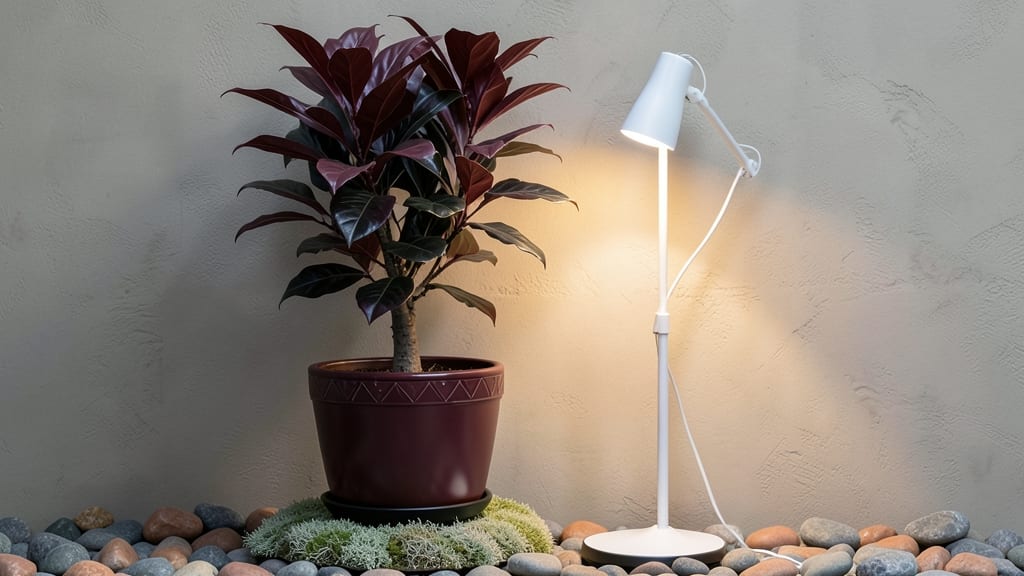
Transforming your space with a faux maple tree brings that rustic charm indoors without the seasonal limitations. 🌿 These artificial trees mimic real maple foliage so convincingly that guests will ask if it's alive—yet they require zero sunlight, watering, or pruning headaches.
My own faux maple has become the centerpiece of my living room, blending seamlessly with real plants and modern decor. The beauty of faux maples is their versatility—place them in corners, near windows, or even as a striking ceiling installation.
They complement houseplants beautifully, adding height and texture without competing for light. Unlike real trees, they won't drop leaves or outgrow their space, making them perfect for small apartments or offices where natural light is limited.
What you get is a year-round statement piece that stays lush and vibrant, no matter the season. The rich green hues and natural branching create a cozy, inviting atmosphere that feels organic yet effortless.
Plus, they're budget-friendly compared to real maple trees, with options for every style from traditional to contemporary. For urban dwellers or anyone tired of seasonal decor changes, this is the solution.
The key is choosing a realistic branch structure and color that matches your existing decor—then letting it become the quiet star of your space without any upkeep. Here's how to style yours perfectly.
📚 In This Guide
- What you need
- Instructions
- Tips and common mistakes
- Wrapping up and next steps
What you need
- ● Artificial Maple Leaves: 1–2 lbs of realistic faux maple leaves (red, orange, or green—mix and match for variety!)
- ● Pre-cut or whole leaves (whole leaves add texture but take longer to attach).
- ● Base Structure: 1 wire coat hanger (medium/large size) or a flexible metal armature (for a more natural look).
- ○ Optional: A ceramic pot or wooden base (for stability and aesthetics).
- ● Adhesives: Hot glue gun + glue sticks (for quick, strong bonds).
- ○ Optional: Fabric glue (for delicate leaves) or double-sided tape (for removable designs).
- ● Must-Haves: Scissors or small pruning shears (for trimming leaves to size).
- ● Wire cutters (if reshaping the base).
- ● Measuring tape (for symmetrical designs).
- ● Nice-to-Haves: Tweezers (for precision placement of tiny leaves).
- ● Spray paint (to distress the base for a rustic look).
- ● Clear acrylic sealer (to protect your masterpiece from dust).
- ● 🌡️ Work in a well-ventilated area—especially if using hot glue or spray paint!
- ● ✨ Layer leaves for depth: Start with larger leaves at the base and taper to smaller ones at the top.
- ● 🎯 Test your design on scrap wire before committing to your final base.
How to prune your indoor faux maple tree for year-round beauty
Here's the simple system I use to keep my indoor faux maple looking lush and intentional all year.
✂️ Step 1: Assess the Tree's Natural Shape
Start by examining your faux maple from all angles—hold it at eye level and rotate it slowly. You're looking for the tree's natural growth patterns: where branches emerge, how they spread, and where the foliage looks densest. Real maples grow with a strong central leader (main trunk) and symmetrical branching.
Notice where branches grow too close together or where the foliage looks sparse. These are your pruning targets. I like to sketch a quick outline on paper to visualize the ideal shape before making any cuts. This helps me stay consistent and avoid over-pruning.
✂️ Step 2: Prune for Balance and Airflow
Begin by removing any branches that cross or rub against others—these create weak points and can damage the tree over time. Use clean, sharp scissors to make precise cuts just above a bud or branch collar (the swollen area where the branch meets the trunk). This ensures a clean cut that heals properly.
Next, thin out crowded areas by removing about 20-30% of the branches in those sections. Focus on the inner branches first—they block light and airflow to the inner foliage. You'll know you've done enough when you can see light filtering through the center of the tree.
✂️ Step 3: Shape the Canopy for Fullness
Now it's time to refine the tree's silhouette. Step back and look at the overall shape—aim for a pyramidal or oval form that mimics a real maple's natural growth. Start with the top branches and work your way down, trimming just enough to create a gradual taper from the trunk outward.
For a fuller look, gently spread out any branches that grow inward. Secure them with small floral wire (if your faux tree allows) or simply adjust their position by hand. Avoid cutting more than 10% of the foliage in a single session—this keeps the tree looking natural and prevents over-pruning.
✂️ Step 4: Clean Up and Maintain the Base
After shaping, remove any stray leaves, twigs, or debris from the base of the tree. Use a soft brush or your fingers to gently sweep away any dust or loose foliage that has accumulated. This keeps the tree looking fresh and tidy. For faux trees, a quick vacuum with a brush attachment works wonders.
Finally, check the base of the trunk for any signs of wear or damage. If the trunk looks dull or scratched, use a soft cloth to gently clean it. For extra shine, apply a small amount of furniture polish (specifically designed for faux plants) to restore its luster.
⏰ Step 5: Schedule Regular Maintenance
To keep your faux maple looking its best, schedule a quick pruning session every 4-6 weeks. This prevents branches from becoming too dense or uneven. During these sessions, focus on removing any new debris, dusting the foliage, and making minor adjustments to the shape.
Seasonal changes can also affect your tree's appearance. In the spring, give it a deeper clean and adjust the branches to encourage new growth (even if it's faux!). In the fall, you might want to add a few extra leaves or branches to create a cozy, autumnal look.
Tips & tricks for perfect indoor faux maple tree pruning
These simple strategies will help you maintain your faux maple's natural beauty without overworking it.
Visualize First: I can't stress enough how helpful it is to sketch your tree's shape before cutting. Grab a piece of paper and trace the silhouette you envision—this becomes your roadmap. I've found that even a rough sketch helps me spot asymmetries I might miss by eye alone. Keep it simple: just outline the general taper from trunk to canopy. This step prevents that "I cut too much" panic after the first snip.
Precision Cutting: When trimming branches in Step 2, use clean, sharp scissors and cut just above where the branch meets the trunk. This clean cut prevents ragged edges that can make your tree look neglected. For thicker branches, make a small initial cut to loosen the branch before completing the cut—this prevents tearing. Remember, you're working with faux foliage, so take your time to create natural-looking breaks.
Seasonal Adjustments: The instructions mention seasonal touches, but here's how I do it: in spring, I add a few extra leaves to the lower branches to create that fresh growth look. For fall, I gently bend some branches downward and add a few extra leaves to mimic autumn colors. This seasonal rotation keeps your tree looking intentional year-round. Just be gentle—faux foliage can be delicate!
Equipment Upgrade: While fingers work fine, invest in a small handheld vacuum with a brush attachment for cleaning. It's a game-changer for removing dust from tight foliage clusters. I also keep floral wire on hand (the thin, green kind) to help position branches without damaging them. These tools make maintenance feel more professional and less like a chore.
Pro Tips for Faux Maple Tree Indoor
- These simple strategies will help you maintain your faux maple's natural beauty without overworking it.
- Visualize First: I can't stress enough how helpful it is to sketch your tree's shape before cutting. Grab a piece of ...
- Precision Cutting: When trimming branches in Step 2, use clean, sharp scissors and cut just above where the branch me...
Frequently asked questions
Got questions about keeping your faux maple tree looking fresh indoors?
Here are answers to the most common concerns—from care tips to troubleshooting—so you can enjoy that realistic beauty year-round without the hassle.
How often should I dust my faux maple tree to keep it looking realistic?
Dust your faux maple tree every 2–4 weeks with a microfiber cloth or duster to maintain its natural luster. For hard-to-reach branches, use a dryer sheet wrapped around a broomstick—it picks up dust like magic! Avoid harsh chemicals, as they can dull the leaves over time.
Can I place my faux maple tree near a window or heat vent without damaging it?
Faux trees are indoor-safe and won’t wilt or dry out, but direct sunlight can fade colors over time. If near a window, rotate the tree quarterly to prevent uneven sun exposure. Heat vents? No problem—just keep it 3+ feet away to avoid dust buildup from airflow.
What’s the best way to style my faux maple tree for different seasons?
Swap out accessories! For fall, add faux pumpkins or orange garlands. In winter, drape it with twinkling lights or silver tinsel. Pro tip: Use removable leaf clusters (if your tree has them) to mimic seasonal changes without permanent damage.
How do I fix bent or misaligned branches on my faux maple tree?
Most faux trees have adjustable branches—gently bend them back into place by hand or use a hair straightener on low heat (test a small area first!). For stubborn branches, a rubber band around the base can hold them temporarily. Avoid glue or tape, as it can damage the material.
Are there affordable faux maple tree alternatives that look just as realistic?
Yes! Look for polyester or silk-leaf trees in budget-friendly ranges ($50–$150). Brands like Balsam Hill’s “Evergreen” line or Amazon’s top-rated faux trees offer stunning realism without the premium price. Check reviews for leaf density—thicker foliage = more lifelike!
Wrapping up and next steps
Bringing the beauty of a faux maple tree indoors is easier than you think—with the right tools, a little patience, and strategic pruning, you’ll enjoy year-round elegance without the hassle of seasonal changes.
Whether you’re trimming for shape, health, or aesthetics, remember that consistency and care are key to keeping your indoor tree thriving. Now’s the perfect time to grab your shears and get creative!
🌿 Next Steps:
- Pick a day to prune—spring or early summer is ideal!
- Experiment with shapes and styles to match your space.
- Share your faux maple masterpiece on social media with #FauxMapleMagic!