
Trees
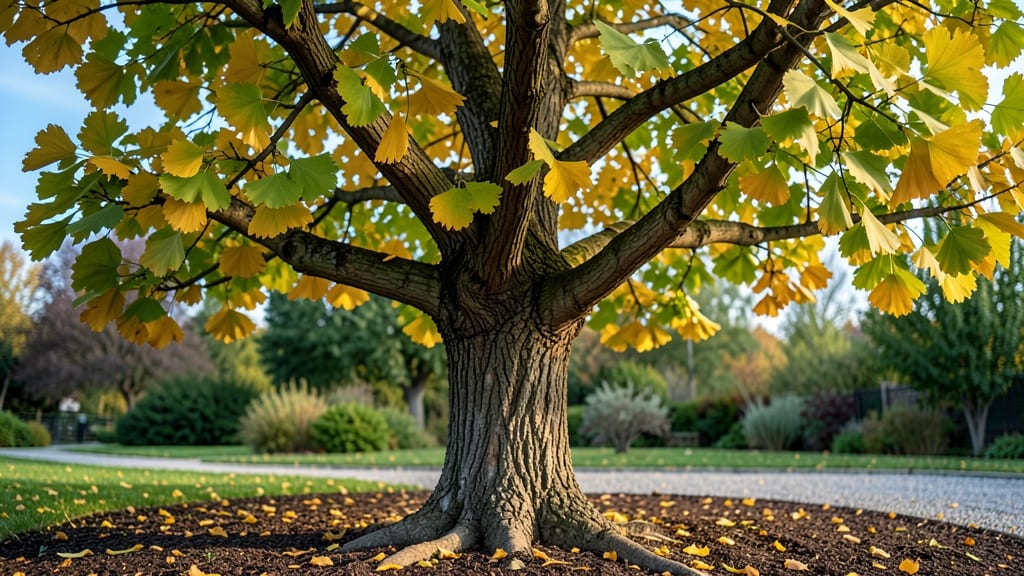
Your ginkgo tree’s yellow leaves aren’t a death sentence—they’re a call for action. 🌿 I’ve nursed back more than a few ginkgos from patchy yellowing, and the fixes are simpler than you’d think, starting with a soil check and a few targeted tweaks.
Most yellowing stems from nutrient deficiencies (especially iron or nitrogen), environmental stress, or seasonal shifts—ginkgos naturally yellow in fall, but early or patchy discoloration signals trouble. The good news? A balanced fertilizer, proper watering, and a quick pest check can turn things around in weeks.
By the end of this, you’ll spot the exact cause and apply fixes that keep those iconic fan-shaped leaves vibrant all season. Think lush, golden-green foliage that stands out in any backyard—no more guessing games.
Works for both mature trees and young specimens, whether planted in the ground or containers. Let’s get those leaves back to their best in no time.
Root Causes Behind Leaf Color Shifts
When your ginkgo tree’s leaves turn a brilliant yellow, it’s often a sign that something—big or small—is affecting its health. While some causes are natural and harmless, others may signal stress or disease.
Understanding the why behind the color change helps you take targeted action. Below, we break down the most common culprits, from environmental factors to hidden pests, with clear explanations and actionable insights.
Ginkgo trees (Ginkgo biloba) are famous for their golden autumn foliage, thanks to a natural process called senescence. As daylight shortens and temperatures drop, the tree’s chlorophyll—responsible for green pigment—breaks down. This reveals carotenoids (yellow-orange pigments) and xanthophylls, giving leaves their stunning hue.
- When it happens: Typically in fall, but can start as early as September in warmer climates.
- Is it harmful? No—this is a normal, healthy part of the tree’s life cycle.
- Pro tip: 💡 If leaves turn yellow before summer’s end, check for other causes (see below).
Ginkgo trees are drought-tolerant, but soggy soil can suffocate roots and trigger yellowing leaves. Overwatering or compacted, waterlogged soil disrupts nutrient uptake, leading to chlorosis (yellowing between leaf veins). Roots may also develop anaerobic conditions, preventing oxygen absorption.
- Signs to watch for:
- Yellow leaves with green veins (classic chlorosis).
- Mushy or foul-smelling soil.
- Leaves wilting despite moist soil.
- Action steps:
- 🔥 Test soil moisture: Stick your finger 2–3 inches deep. If damp, hold off on watering.
- 🌱 Improve drainage: Amend soil with compost or perlite and consider raised beds if soil is clay-heavy.
- ⏰ Water deeply but less often: Ginkgos prefer dry spells—water only when the top 2 inches of soil are bone-dry.
Yellow leaves can signal a lack of key nutrients, especially in young trees or poor soil. The most common deficiencies in ginkgo trees are:
| Nutrient | Yellowing Pattern | Additional Symptoms | Solution |
|---|---|---|---|
| Nitrogen (N) | Uniform yellowing (entire leaf) | Stunted growth, sparse foliage | Apply balanced fertilizer (10-10-10) in spring. |
| Iron (Fe) | Yellowing between veins (chlorosis) | Green veins, brittle new growth | Use chelated iron supplement or sulfur-based fertilizer for acidic soil. |
| Magnesium (Mg) | Yellowing with brown edges (older leaves first) | Leaf curling, poor fruit/seed production | Apply Epsom salt (magnesium sulfate) to soil or foliar spray. |
Pro tip: 🌡️ Soil pH matters! Ginkgos thrive in slightly acidic to neutral soil (pH 6.0–7.5). Test your soil—if it’s alkaline (>7.5), iron and manganese become unavailable, worsening yellowing.
While ginkgo trees are resilient, pests and pathogens can cause yellowing if left unchecked. Here’s what to suspect:
- Ginkgo Psyllid (Psylla ginkgoensis)
- How it attacks: Tiny insects suck sap, causing yellow stippling or curling on new leaves.
- Red flags: Sticky honeydew on leaves, black sooty mold.
- Fix it: 🔥 Spray with neem oil or insecticidal soap in early spring before eggs hatch.
- Fungal Leaf Spot (Phyllosticta ginkgo)
- How it attacks: Causes yellow-brown spots with dark margins, often in wet conditions.
- Red flags: Premature leaf drop, black fungal fruiting bodies.
- Fix it: 🌱 Prune infected leaves/branches; apply copper fungicide in spring.
- Root Rot (Phytophthora spp.)
- How it attacks: Waterlogged soil leads to yellowing + wilting, even with moist soil.
- Red flags: Mushy roots, tree leaning or dying back.
- Fix it: ⏰ Act fast! Dig up affected roots, treat with hydrogen peroxide (3%), and improve drainage.
Pro tip: ✨ Prevent pests naturally: Encourage beneficial insects (like ladybugs) by planting companion flowers (e.g., marigolds) near your ginkgo.
Ginkgo trees can tolerate urban conditions, but extreme stress from heatwaves, pollution, or salt buildup (common near roads) triggers yellowing. Here’s how to spot it:
- Heat Stress:
- Signs: Yellowing on south-facing sides, leaf scorch (brown edges).
- Fix: 💡 Provide afternoon shade with a lightweight shade cloth or mulch heavily to retain moisture.
- Salt Buildup (Urban Trees):
- Signs: Yellowing on lower branches, crispy leaf edges (from de-icing salts).
- Fix: Flush soil with water to leach out salts; apply gypsum (calcium sulfate) to improve soil structure.
-
Revitalize Your Ginkgo’s Glow
If your ginkgo tree’s leaves are turning yellow, don’t panic—there’s always a way to restore that vibrant green! The key is identifying the root cause and taking targeted action. Below, we’ve mapped out practical fixes for each common issue, along with prevention tips to keep your tree thriving long-term.
---
Signs: Yellowing leaves, soggy soil, or roots sitting in water.
How to Fix It: 🔥 Adjust Your Watering Routine - Ginkgo trees prefer well-draining soil—water only when the top 2–3 inches of soil are dry. Overwatering suffocates roots and invites fungal diseases. - Test your soil: Stick your finger in the soil; if it’s damp after 24 hours, hold off on watering.
🍳 Improve Soil Drainage - Amend heavy or compacted soil with compost or perlite to loosen it up. - If your tree is in a pot, ensure it has drainage holes and use a mix of potting soil and sand.
👨🍳 Repair Waterlogged Areas - If the soil is chronically soggy, consider raising the planting bed or installing a French drain to redirect excess water.
Prevention Tip: 💡 Mulch around the base (but not touching the trunk) to regulate soil moisture and reduce evaporation.
---
Signs: Crispy, yellowing edges, wilted leaves, or dry soil.
How to Fix It: 🥘 Deep Watering Sessions - Water slowly and deeply (1–2 inches per week) to encourage deep root growth. Shallow watering leads to weak roots. - Morning watering is best—it reduces evaporation and gives leaves time to dry before nightfall.
🔪 Mulch Like a Pro - Apply a 2–3 inch layer of mulch (wood chips or straw) around the tree (keep it 6 inches away from the trunk). - Mulch retains moisture and cools the roots during heatwaves.
Prevention Tip: 🌡️ Install a soaker hose on a timer for consistent moisture, especially during dry spells.
---
Signs: Yellow spots with dark borders, black fungal growth, or mushy stems.
How to Fix It: 🎯 Prune for Better Airflow - Remove infected leaves or branches (sterilize pruners with rubbing alcohol between cuts). - Thin out dense foliage to reduce humidity near the tree.
✨ Fungal Treatments - Spray with a copper fungicide or neem oil solution (1 tsp neem oil + 1 quart water) every 7–10 days until symptoms improve. - For root rot, dig carefully to expose affected roots, trim the rotten parts, and replant in fresh, sterile soil.
Prevention Tip: 🔥 Avoid overhead watering—use drip irrigation to keep leaves dry and discourage fungal spores.
---
Signs: Yellowing between veins (iron/chlorosis), overall pale leaves (nitrogen), or yellow patches with green veins (magnesium).
How to Fix It: 📊 Soil Test First - Grab a DIY soil test kit (or send a sample to a local extension office) to confirm deficiencies.
💪 Fertilize Smartly - Iron deficiency? Apply chelated iron or iron sulfate in early spring. - Nitrogen deficiency? Use a balanced fertilizer (10-10-10) in spring and fall. - Magnesium deficiency? Sprinkle Epsom salt (1 tbsp per gallon of water) every 4–6 weeks.
Prevention Tip: 🥗 Add compost or worm castings annually to improve soil health naturally.
---
Signs: Sticky residue (honeydew), tiny webs, or chewed leaves.
How to Fix It: 🔪 Blast Them Off - Spray leaves with a strong stream of water to dislodge pests. - Use insecticidal soap or neem oil (repeat every 5–7 days).
🐛 Introduce Beneficial Insects - Ladybugs and lacewings eat aphids naturally—release them near the tree.
Prevention Tip: 🎯 Install yellow sticky traps to monitor and catch pests early.
--- - Prune in late winter/early spring to remove dead or weak branches. - Avoid heavy pruning—ginkgos are sensitive to aggressive trimming. - Monitor regularly—catch issues early before they spread!
--- With these targeted solutions, your ginkgo’s leaves should bounce back to their iconic golden-green in no time. 🌟 Which issue does your tree have? Try the fix that matches and watch it thrive!
Frequently asked questions
1Is yellowing always a sign my ginkgo tree is dying?
Not at all! Ginkgo trees naturally turn golden yellow in fall as part of their seasonal cycle. The concern comes when yellowing happens before summer or appears patchy. Check for other symptoms like wilting or brown spots—those signal real trouble, while healthy autumn color is just nature’s way of showing off.
2Why do some leaves yellow while others stay green?
This classic pattern—yellowing between veins with green veins—usually means chlorosis, caused by iron deficiency or alkaline soil. Ginkgos need slightly acidic soil (pH 6.0–7.5) to absorb iron. Test your soil and amend with chelated iron or sulfur if needed. The green veins stay green because they’re still getting some nutrients!
3Can I save my ginkgo if the yellowing is from root rot?
Yes, but act fast! Root rot spreads quickly in soggy soil. Dig up the tree carefully, trim any mushy roots with sterilized shears, and replant in fresh, well-draining soil. Add hydrogen peroxide (3%) to the hole to kill remaining pathogens. For severe cases, consider a French drain to prevent future waterlogging.
4How often should I fertilize a ginkgo with yellow leaves?
Start with a soil test to identify deficiencies! For general health, apply a balanced fertilizer (10-10-10) in early spring and fall. If you suspect iron deficiency, use chelated iron every 4–6 weeks during growing season. Over-fertilizing can burn roots—always follow package rates!
5Will pruning help yellow leaves caused by pests?
Pruning removes damaged leaves and improves airflow, which helps both the tree and any pest treatments you apply. Focus on removing infested branches first, then treat the whole tree with neem oil or insecticidal soap. Prune in late winter before pests wake up for the season.