
Pruning
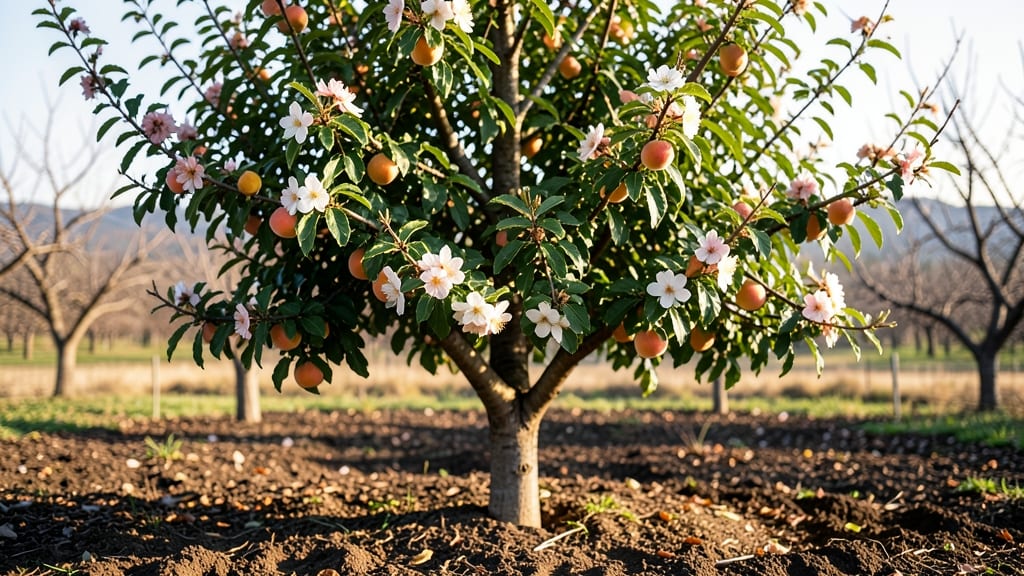
Understanding your peach tree's cycle means catching every season right—because missing one step can mean fewer fruits next year. 🌱 From bare branches in winter to blossoms heavy with promise in spring, each phase demands different care.
I’ve tracked my tree’s progress for years, and the difference between a sparse harvest and a bursting bounty comes down to timing.
Winter is your chance to reset: prune while the tree sleeps, wrap the trunk against frost, and feed the roots with compost. Skip this, and spring growth will be weak.
Then comes the delicate bloom period—frost warnings mean covering flowers at night, while summer shifts to watering deep and watching for pests like peach tree borers.
By fall, you’ll know if your efforts paid off: ripe fruit ready to pick, leaves turning gold, and the first signs of next year’s buds forming.
The key? Adjusting for your climate—southern trees fruit earlier, northern ones need extra winter protection. I’ll walk you through each step so your tree thrives.
Whether you’re new to peach trees or refining your routine, this timeline keeps your tree productive year after year. Let’s get started with the first critical phase: winter dormancy.
📚 In This Guide
- What you need
- Instructions
- Tips and common mistakes
- Wrapping up and next steps
What you need
- ● Pruning Tools: Bypass pruners (sharp, clean, and disinfected with rubbing alcohol)
- ● Loppers (for thicker branches, 20-24 inch cutting range)
- ● Hand saw (for stubborn branches, bow or pruning saw)
- ● Protective Gear: Gloves (cut-resistant, gardening-grade)
- ● Safety goggles (to shield from debris)
- ● Cleanup Supplies: Heavy-duty trash bags (for pruned branches)
- ● Disinfectant (e.g., 10% bleach solution or hydrogen peroxide)
- ● Fertilizer: Balanced 10-10-10 NPK fertilizer (spring) or citrus/peach-specific blend
- ● Slow-release granules (for late winter/early spring)
- ● Soil Amendments: Compost or well-rotted manure (to enrich soil, 2-3 inches mixed in)
- ● Mulch (organic, 2-3 inch layer, e.g., straw or wood chips)
- ● Pest/Disease Control: Copper fungicide (for bacterial spot prevention)
- ● Neem oil (organic option for aphids or mites)
- ● Tree wrap (to protect young bark from sun/splitting)
- ● Drip irrigation system (for consistent moisture)
- ● Soil pH test kit (to check acidity levels, ideal: 6.0-7.0)
- ● Pruning sealant (for large cuts, though not always necessary)
Understanding the peach tree cycle: from dormancy to fruit
Here's how to follow your peach tree's natural rhythm for a bountiful harvest.
🌱 Step 1: Recognize the Dormant Season (Late Fall to Early Spring)
Your peach tree enters dormancy when temperatures drop below 40°F and days grow short. This period lasts until late winter, when buds begin swelling. During dormancy, the tree conserves energy—pruning and fertilizer applications should stop to avoid stressing the tree.
Look for brown, leafless branches and tight, unopened buds as your visual cues. This is the time to assess last year's growth, removing any dead or crossing branches with clean, sharp pruners. I like to prune in late winter (just before buds swell) to avoid encouraging new growth too early in the season.
☀️ Step 2: Watch for Bud Swelling and Early Spring Growth (Late Winter)
When buds begin to plump up (usually in February or March, depending on your climate), that's your signal to start preparing for bloom. The tree needs consistent moisture now—water deeply once a month if rainfall is minimal, keeping the soil 2-3 inches deep damp but not soggy.
This is also the time to apply balanced fertilizer (10-10-10 ratio) if you missed it last fall. Spread it evenly under the tree's drip line and water it in well. You'll see pink or green tips emerge from the buds within 2-4 weeks—that's your confirmation the tree is waking up.
🌸 Step 3: Bloom Period and Pollination (Early to Mid-Spring)
The bloom period is the most critical time for fruit set. Peach blossoms last 7-10 days, and you'll need warm days (60-75°F) and cool nights (40-50°F) for optimal pollination. If frost threatens during bloom, cover young trees with frost cloth—damaged blossoms mean fewer peaches later.
Watch for bees and other pollinators visiting flowers. If your area lacks pollinators, hand-pollinate by gently shaking branches to release pollen. After bloom, thin fruit to 6-8 inches apart when peaches are 1 inch in diameter—this ensures larger, healthier fruit and reduces stress on the tree.
🍑 Step 4: Fruit Development and Summer Care (Late Spring to Summer)
Once fruit sets, focus on consistent watering—peaches need 1-2 inches of water per week, delivered at the base of the tree. Mulch with 2-3 inches of organic matter (like wood chips) to retain moisture and regulate soil temperature. You'll see peaches grow rapidly in late spring, turning from green to their mature color by summer.
Continue monitoring for pests like peach tree borers or aphids. If you spot chewed leaves or sticky residue (honeydew), treat with neem oil or insecticidal soap as needed. Avoid heavy pruning now—it stresses the tree when it's focused on fruit growth.
⏰ Step 5: Harvest and Prepare for Next Cycle (Late Summer to Fall)
Peaches are ready to harvest when they easily separate from the branch with a gentle twist and have full color (though some varieties stay green). Harvest in morning hours to preserve sweetness. Store unripe peaches at room temperature until ripe, or refrigerate for 3-5 days once fully ripe.
After harvest, remove all fallen fruit and leaves from under the tree to prevent disease. Apply a fall fertilizer (low in nitrogen) to replenish nutrients. As temperatures drop below 50°F, the tree will begin its dormancy cycle again—your cue to stop watering and pruning until late winter.
Tips & tricks for mastering your peach tree's natural cycle
Here's what I've learned after years of watching peach trees go from dormant to fruiting—these tricks will help you avoid common mistakes and maximize your harvest.
Temperature Matters: Those 40°F and 50°F thresholds are critical. If you're in a warm winter zone, your tree might start bud swelling earlier than February or March. Keep an eye on your local weather patterns—early swelling means you need to adjust your fertilizer timing from Step 2. I've seen trees in Southern climates wake up as early as January, while Northern trees might not show signs until April.
Pruning Precision: In Step 1, when you're removing dead branches, look for the classic "U" shape where branches join the trunk. Cut just outside that union at a 45-degree angle to prevent water from pooling. I always sterilize my pruners with rubbing alcohol between cuts to avoid spreading disease—this simple step saved my first tree from bacterial canker.
Bloom Period Protection: During that 7-10 day bloom window in Step 3, frost is your biggest enemy. I've learned the hard way that frost cloth needs to cover the entire tree, not just the top—cold air sinks! If you don't have frost cloth, even old bedsheets work in a pinch. The key is to cover before sunset on nights when temps drop below 32°F, even if the forecast says "mild."
Watering Wisdom: The 1-2 inches per week guideline in Step 4 is perfect, but timing matters just as much. Water in the early morning so the foliage dries quickly, reducing fungal diseases. I use a rain gauge or tuna can buried near the tree to track rainfall—it's amazing how much water we actually get, even in dry climates. Mulch helps, but don't pile it against the trunk—keep it 3 inches away to prevent rot.
Pro Tips for Peach Tree Cycle
- Here's what I've learned after years of watching peach trees go from dormant to fruiting—these tricks will help you avoid common mistakes and maximize your harvest.
- Temperature Matters: Those 40°F and 50°F thresholds are critical.
- Pruning Precision: In Step 1, when you're removing dead branches, look for the classic "U" shape where branches join the trunk.
Frequently asked questions
Got questions about your peach tree’s growth cycle?
You’re not alone! Here are answers to the most common ones to keep your tree thriving from dormancy to harvest.
When should I prune my peach tree for the best fruit production?
Prune your peach tree during late winter or early spring (before buds swell but after cold snaps) to encourage strong growth. Avoid heavy pruning in fall—it can stimulate new growth that’s vulnerable to frost. Focus on removing dead wood, crossing branches, and opening the canopy for sunlight.
Why are my peach tree’s buds not opening in spring?
Bud dormancy can happen due to cold damage, disease (like brown rot), or nutrient deficiencies. Check for signs of frost injury (blackened buds) or fungal spots. If buds are healthy but slow, ensure your tree gets 6+ hours of sunlight and well-draining soil. A light fertilizer in early spring can also help.
How do I know if my peach tree is in the right stage for harvesting?
Peaches are ripe when they’re fully colored, slightly soft to gentle pressure, and fragrant near the stem. They should detach easily from the tree. If birds are pecking at them, they’re ready! Harvest in the morning for peak sweetness and store at room temp for 2–3 days or refrigerate for longer shelf life.
What should I do if my peach tree blooms but no fruit sets?
Poor fruit set often stems from lack of pollination (plant a second variety nearby), late frost (which kills flowers), or stress (drought/overwatering). Thin existing fruit early to prevent overburdening the tree. For next year, protect blossoms with frost cloth and ensure consistent moisture during flowering.
Can I grow peaches in containers, or do they need a permanent spot?
Peach trees thrive best in permanent ground planting due to their deep root systems, but dwarf varieties (like ‘Bonanza’) can work in large containers (20+ gallons). Use well-draining soil, prune roots annually, and move containers to a sunny spot in summer. Expect smaller yields compared to in-ground trees.
Wrapping up and next steps
Understanding the peach tree cycle—from dormancy to harvest—is your secret weapon for a thriving orchard! 🌱 By timing pruning, fertilization, and care to each stage, you’ll ensure lush blooms, abundant fruit, and years of sweet rewards.
Whether you’re a seasoned gardener or just starting, every pruning snip and seasonal check-in brings you closer to that perfect peach.
Ready to put your knowledge into action? Start by inspecting your trees this season—note their growth, prune with confidence, and watch as your peach tree transforms into a fruit-bearing masterpiece! 🍑✨