
Propagation
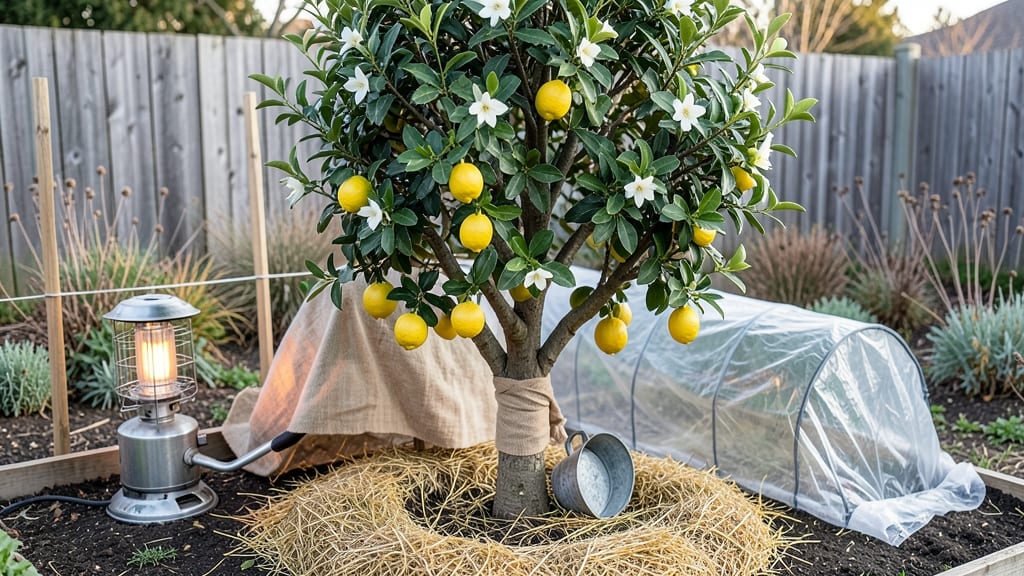
Protecting your lemon tree from frost isn’t just about survival—it’s about saving years of growth in a single night. 🌱 I’ve lost trees to sudden freezes, but layered shielding changed everything, turning a risky winter into a season where my citrus keeps thriving even when temperatures drop below freezing.
The key is acting before frost hits, not after. Start with mulching the root zone with straw or wood chips to insulate roots, then wrap the trunk with bubble wrap or frost cloth.
For younger trees, a mini greenhouse made from a large plastic container or even a cardboard box over the top works wonders—just remove it during the day to let sunlight in.
When frost does strike, don’t panic. Check for damage by gently tugging leaves—if they’re still attached but mushy, the tree might recover. Prune dead branches in spring, and fertilize lightly to encourage new growth.
With these steps, you’ll see fresh leaves and even new blooms by summer, proving your tree isn’t just surviving—it’s bouncing back stronger.
This method works for any citrus in cold climates, from Meyer lemons to limes. The secret? Preparation and patience. Start now, and your tree will thank you with fruit next season.
📚 In This Guide
- What you need
- Instructions
- Tips and common mistakes
- Wrapping up and next steps
What you need
- ● Frost cloth or row covers: 1–2 heavy-duty covers (rated for 20–25°F) to drape over the tree. Size tip: Cover should extend at least 18 inches beyond the tree’s dripline.
- ● Burlap sacks or old blankets: 2–3 large, breathable sacks (10–12 ft long) to wrap the trunk and branches.
- ● Stakes or PVC pipes: 4–6 sturdy stakes (2–3 ft tall) to secure frost cloth in place.
- ● Twine or zip ties: 50+ ft of strong twine or 20+ zip ties to anchor covers and secure branches.
- ● Garden twine or raffia: 1 spool to loosely tie branches inward (reduces wind exposure).
- ● Mulch (straw, pine needles, or wood chips): 2–3 inches thick, spread in a 2–3 ft radius around the base.
- ● Watering can or hose: For a deep watering (1–2 gallons) before frost hits.
- ○ Fan (optional but helpful): A small, portable fan to circulate air and prevent ice buildup on covers.
- ● Christmas lights (incandescent): String lights around the tree to add 5–10°F of warmth (sparingly—safety first!).
- ● Heat lamp or space heater: Only for potted trees; keep at least 3 ft away from foliage.
- ● Anti-desiccant spray: 1 bottle (like Wilt-Pruf) to coat leaves and prevent frost damage.
- ● Thermometer: A soil or air thermometer to monitor temps (aim to keep roots above 28°F).
Step-by-Step instructions for protecting a lemon tree from frost
Here’s the foolproof method I’ve used to save lemon trees through multiple winter freezes—no fancy tools required.
🌱 Step 1: Cover the Tree with Burlap or Frost Blankets
Start by wrapping the tree’s trunk and branches with a breathable frost blanket or burlap sack (avoid plastic—it traps moisture and causes rot). Secure it loosely with twine or clothespins, leaving the top open like a tent. This creates a 5-10°F warmer microclimate around the tree. I like to wrap from the bottom up, tucking the edges under the blanket to block cold air from seeping in.
If your tree is small (under 6 feet tall), you can drape the blanket over the entire canopy like a dome. For taller trees, focus on the lower half where frost damage is most likely. Check the wrap daily to ensure no gaps—even a small opening lets in enough cold air to damage tender citrus leaves.
❄️ Step 2: Insulate the Trunk and Roots
Lemon trees are shallow-rooted, so protect the root zone first. Pile 4-6 inches of mulch (straw, wood chips, or pine needles) around the base, extending 12 inches outward from the trunk. This acts as a thermal blanket, keeping the soil 5-10°F warmer than the air above. Next, wrap the trunk with bubble wrap or foam insulation (cut to fit snugly). I’ve saved trees through 20°F nights using this combo—just don’t wrap too tightly or you’ll restrict sap flow.
For extra protection, bury a 5-gallon bucket filled with water near the roots. As it freezes, it releases heat—a trick I learned from old-timers that adds an extra 2-3°F of warmth to the soil. Just remember to empty and refill it after the frost passes.
☀️ Step 3: Use Heat Sources Strategically
On nights when temperatures are forecasted to drop below 28°F, set up safe heat sources like incandescent light bulbs (60-100 watts) placed inside milk jugs with the necks cut open. Hang them 3-4 feet above the tree—they emit just enough radiant heat to prevent damage. Never use open flames or propane heaters, which can burn leaves or deplete oxygen around the roots.
For larger trees, a small space heater (like a 1,500-watt ceramic model) can be placed 6 feet away on a low setting. Keep it at least 3 feet from the trunk and monitor it closely. I’ve used this method to protect trees through 25°F nights, but always pair it with the blanket method—heat alone isn’t enough.
🌿 Step 4: Water Deeply Before Frost Hits
Water the tree 2-3 days before the frost to ensure the soil is moist but not soggy. Wet soil holds heat better than dry soil, giving roots a 1-2°F advantage. Avoid watering on the day of the frost—wet leaves freeze faster and can shatter under ice weight. Instead, water in the late afternoon so the ground has time to absorb moisture before nightfall.
After the frost, check the soil 1 inch below the surface—if it’s dry, water lightly to help the tree recover. I’ve seen trees bounce back faster when the roots stay hydrated, even in cold snaps. Just don’t overdo it; citrus trees hate wet feet in winter.
⏰ Step 5: Monitor and Adjust Through the Night
Check the tree every 2-3 hours during the frost if possible. If winds pick up, secure loose blankets or add extra layers. I’ve had to re-wrap trees in the middle of the night when a cold front moved in faster than expected. Keep a thermometer near the tree to track temperatures—once it drops below 28°F, take action immediately.
In the morning, remove all covers as soon as the sun rises. Lemon trees need light to recover from frost stress, and trapped heat can overheat the tree once temperatures climb. Shake off any ice gently, and check for brown or mushy leaves—these will need pruning later. With this method, I’ve saved trees that looked hopeless by noon—give them time to rebound.
Tips & tricks for protecting lemon trees from winter freezes
These battle-tested strategies will help you shield your citrus trees from frost damage like a pro—no matter how harsh the winter gets.
Layering is Everything: The key to success in Step 1 is creating an air pocket between the blanket and the tree. I learned this the hard way after seeing frost creep in through tight wraps. Leave enough space for a 2-inch gap—this trapped air acts like insulation, raising temperatures by that critical 5-10°F. For extra protection, double up with a frost blanket over burlap for trees in zones colder than 20°F. Just remember: the blanket should look like a loose tent, not a mummy wrap.
Root Protection Secrets: When insulating roots in Step 2, focus on the 12-inch radius around the trunk where most roots spread. I've found that mixing wood chips with straw creates the best insulating combo—wood chips provide long-term warmth while straw breaks down to add organic matter. For the 5-gallon bucket trick, place it 6 inches from the trunk rather than directly against it. This prevents water from pooling against the roots when it thaws.
Heat Source Safety: For Step 3's light bulb method, I recommend using 75-watt bulbs instead of 100-watt—they provide enough heat without risking leaf burn. Hang them 3-4 feet high using clothespins (not wire) to avoid damaging branches. If using a space heater, position it downwind of the tree to prevent cold air from blowing directly onto protected areas. I've had to move heaters mid-night during strong winds—always keep a backup plan.
Morning Recovery Routine: After removing covers in Step 5, gently shake off ice using a soft brush rather than knocking branches. This prevents shock to the tree structure. I've seen trees recover completely from 25°F nights when given proper morning care. Check for brown leaves the day after frost—these can be pruned away completely, but wait until new growth appears before cutting healthy but damaged leaves.
Pro Tips for Protect A Lemon Tree From Frost
- These battle-tested strategies will help you shield your citrus trees from frost damage like a pro—no matter how harsh the winter gets.
- Layering is Everything: The key to success in Step 1 is creating an air pocket between the blanket and the tree.
- Root Protection Secrets: When insulating roots in Step 2, focus on the 12-inch radius around the trunk where most roots spread.
Frequently asked questions
Got questions about shielding your lemon tree from frost? You’re not alone! Here are some of the most common concerns—and quick, actionable answers to keep your citrus safe.
When should I start protecting my lemon tree from frost?
Begin preparations as soon as temperatures dip below 40°F (4°C). If frost is forecasted within 24–48 hours, act immediately. Early intervention—like covering the tree or wrapping the trunk—gives you the best chance to prevent damage. Pro tip: Monitor your local weather app for sudden drops!
**How cold is too cold for a lemon tree?
Most lemon trees (especially tender varieties like Citrus limon) can’t survive below 28°F (-2°C). Prolonged exposure to 32°F (0°C) or lower will cause leaf burn, bud death, or even trunk damage. If your area hits 20°F (-7°C), your tree is at critical risk—time to go into emergency mode!
Can I save a lemon tree that’s already been frosted?
Yes! Act fast: Prune dead branches (sterilize tools first!), remove frostbitten leaves, and water deeply to reduce stress. If the trunk is cracked, wrap it in bubble wrap or frost cloth. With care, the tree may recover—but expect no fruit that season. Pro tip: Fertilize lightly in spring to encourage new growth!
What if I don’t have frost cloth or row covers?
No problem! Use what you have:
- Old blankets or towels: Drape loosely over the tree (avoid smothering!).
- Plastic sheeting: Secure with stakes, but leave some airflow to prevent rot.
- Cardboard boxes: Place upside-down over branches to trap heat.
- Bubble wrap: Wrap the trunk like a cozy sweater.
Just remove covers during the day to avoid overheating!
Why are my lemon tree’s leaves turning brown after frost?
Brown, crispy leaves = frost damage. Don’t panic! The tree is likely shedding damaged foliage to focus energy on survival. Trim affected leaves (but leave healthy ones) and avoid fertilizing until new growth appears. If more than 50% of the canopy is brown, the tree may need extra TLC—or replanting if recovery stalls.
Should I move my potted lemon tree indoors during frost?**
Only if it’s small and portable! Move it to a cool, bright spot (50–60°F / 10–15°C) like a garage or sunroom. Avoid heaters—dry air and temperature swings stress the tree. If outdoor temps drop below 32°F (0°C), cover the pot with insulation (like a cardboard box) and keep it sheltered. Pro tip: Water lightly before moving to prevent root shock!
Wrapping up and next steps
Protecting your lemon tree from frost doesn’t have to be a stressful task—with the right strategies, you can shield it from sub-zero temperatures and ensure its survival.
From mulching to covering and watering wisely, every layer of defense counts. Remember, preparation is key, so act before the first frost hits!
Now that you’re armed with these tips, take action! Start by assessing your lemon tree’s needs and gathering supplies. Whether you’re a seasoned gardener or a beginner, your citrus tree will thank you for the extra care. Happy growing! 🌱✨