
Trees
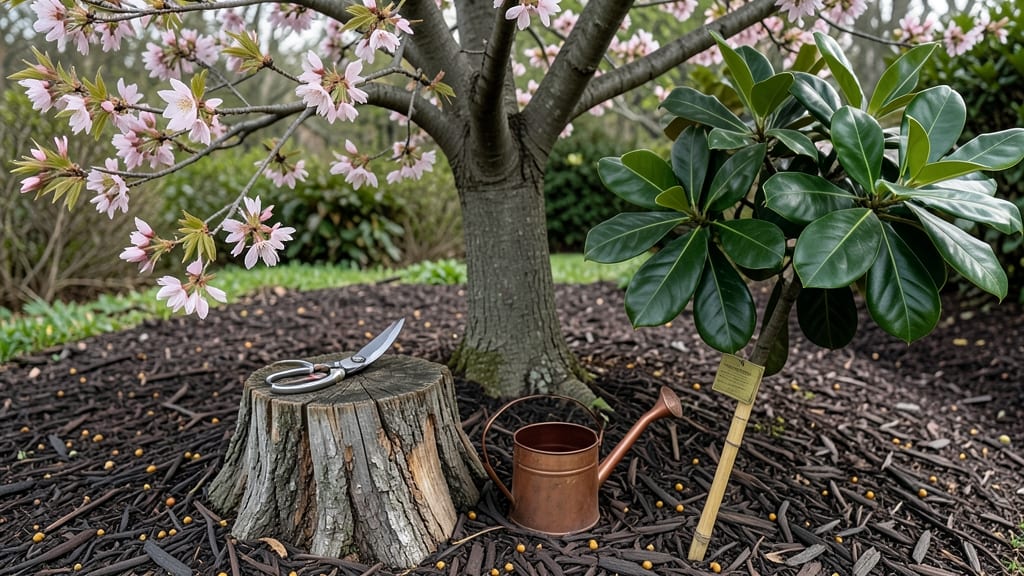
The care of ornamental trees transforms yards into living art—but only when done properly. 🌳 I’ve watched my Japanese maple go from leggy and sad to a showstopper with just the right cuts at the right time, and I’m sharing the science behind it so you can keep yours thriving too.
The secret isn’t just trimming—it’s understanding how each tree grows. Crepe myrtles need dramatic cuts to encourage blooms, while Japanese maples respond better to gentle shaping. Watering matters too: deep soaks once a week beat light sprinkles, and mulch keeps roots happy without smothering them.
Most people overlook soil health, but amending clay or sandy soil makes all the difference.
By following seasonal rhythms—pruning in late winter, fertilizing in early spring—you’ll see your tree’s structure strengthen and its blooms explode with color. The payoff? A tree that looks stunning year-round and lives for decades. No more guessing—just science-backed care that works.
Whether you’ve got a towering oak or a delicate bonsai-style tree, these principles adapt. Let’s get your tree looking its best, no matter the season.
📚 In This Guide
- What you need
- Instructions
- Tips and common mistakes
- Wrapping up and next steps
What you need
- ● Pruning Shears: Bypass pruners (for small branches, ¼"–¾" diameter). Sharpness is key!
- ● Loppers: 6–8" loppers (for branches ¾"–2" thick). Look for ratcheting or bypass blades for precision.
- ● Pruning Saw: Curved-tooth saw (for branches 2"–4" thick). Dull blades tear wood—avoid this!
- ● Extension Pole: 6–10 ft telescoping pole with pruner attachment (for high branches). Safety first!
- ● Gloves: Heavy-duty, cut-resistant gloves (e.g., mechanics or pruning gloves).
- ● Disinfectant: 70% isopropyl alcohol or bleach solution (1 part bleach : 9 parts water) to sterilize tools between cuts.
- ○ Tree Wound Dressing (Optional but Helpful): Pruning sealant (e.g., Tanglefoot Tree Wound Pruning Seal) for large cuts.
- ● Ladder or Stairs: Sturdy, extension ladder (rated for your height needs) or step ladder (for shorter trees). Always secure it!
- ● Safety Gear: Safety glasses
- ● Ear protection (if using a chainsaw)
- ● Long sleeves/pants (to avoid scratches)
- ● Trash Bags: Heavy-duty bags (10–20 gallon) for debris. Line your yard waste bin for easy cleanup!
- ● Winter: Burlap or tree wraps (to protect young trees from frost).
- ● Spring/Summer: Mulch (2–4" layer) (organic or inorganic) to retain moisture.
- ● Fertilizer: Slow-release balanced fertilizer (10-10-10 or 20-20-20) (follow package rates).
- ○ Chainsaw (Optional): For large branches (>4" diameter). Choose a gas or electric model with a chain brake.
- ● ✅ Check the weather: Trim on a dry, calm day (avoid wind or rain).
- ● ✅ Inspect tools: Sharpen blades before you start—dull tools cause damage!
- ● ✅ Map your tree: Sketch a rough outline of branches to remove for even, balanced trimming.
How to maintain ornamental trees through seasonal trimming
Here's the science-backed approach I use to keep trees healthy and stunning year-round.
✂️ Step 1: Assess Growth Habits and Prune in Late Winter
Start by examining your tree's branches for dead, diseased, or crossing limbs—these are your first targets. Late winter, just before buds swell, is ideal because the tree is dormant and you can see the structure clearly. I always begin with the "three-cut method" for larger branches: make the first cut about 12 inches from the trunk, then a second cut slightly farther out, and finally remove the branch cleanly.
Remove any branches that grow inward or rub against others—these create wounds that invite pests. Thin out crowded areas to improve airflow, which prevents fungal diseases. You'll notice the tree's natural shape emerge as you work. Never remove more than 25% of the canopy in one season—this stresses the tree and weakens its growth.
☀️ Step 2: Encourage Fullness in Early Spring
Once new growth begins, focus on shaping the tree by cutting back overly long branches to encourage bushier growth. Look for branches that extend beyond the desired shape and trim them back to a lateral bud facing outward. This step is all about balance—if one side looks sparse, select a few branches to shorten slightly to even things out.
I like to step back every 10-15 minutes to check the overall silhouette. The goal is to maintain the tree's natural form while guiding it to fill out evenly. Avoid heavy pruning during this phase—just light shaping to promote dense foliage. Water the base thoroughly after pruning to help the tree recover.
🌿 Step 3: Light Maintenance Through Summer
Summer is for minor touch-ups only. Remove any suckers that sprout at the base or along the trunk, as these drain energy from the tree. Deadhead spent flowers if your ornamental tree blooms—this redirects the tree's energy into next year's blooms rather than seed production. Look for any branches that have been damaged by storms or pests and prune those back to healthy wood.
I also check for signs of stress, like yellowing leaves or wilting branches, which can indicate overwatering or disease. If you notice these, adjust your care routine immediately. Summer pruning should be minimal—just enough to keep the tree looking its best without shocking it.
⏰ Step 4: Prepare for Winter with Final Trims
In late fall, remove any remaining dead or diseased branches before winter sets in. This prevents pests and diseases from overwintering in the tree. Thin out any overly dense areas again to improve airflow, which is crucial for winter survival. I also check for any branches that might break under snow or ice and prune those back to a strong junction.
This is also the time to apply a thick layer of mulch around the base of the tree, but keep it 3-4 inches away from the trunk to prevent rot. Water deeply before the first frost to ensure the roots are hydrated for winter. Step back one last time to admire your tree's shape—you'll see how far it's come since last winter.
Tips & tricks for perfect ornamental tree care
Let me share the insights I've gathered from years of perfecting this seasonal approach.
Seasonal Timing is Everything: Late winter's dormant state makes pruning easier—you can see the tree's natural structure without leaves obscuring your view. The "three-cut method" for larger branches (first cut 12 inches from trunk) prevents bark tearing and creates cleaner wounds that heal faster. I always mark my calendar for late February to early March when buds haven't yet swollen.
Visual Cues Matter More Than Rules: Those 10-15 minute check-ins during spring shaping are golden. Step back and squint—you'll immediately spot asymmetries. Look for branches that extend beyond the tree's natural silhouette and trim back to outward-facing lateral buds. This creates that perfect balanced shape without over-pruning. Think of it as sculpting rather than hacking.
Summer Maintenance is About Prevention: The minimal summer touch-ups prevent future problems. When you remove those suckers at the base or deadhead spent flowers, you're essentially giving your tree a spa treatment. I make it a habit to carry pruning shears in my gardening bag during summer walks—those quick 2-minute fixes prevent major issues later.
Winter Prep is Your Tree's Insurance: The 3-4 inch mulch distance from the trunk might seem technical, but it's crucial. Too close causes rot, too far wastes mulch. I use a ruler to measure this distance before applying. And that deep watering before frost? It's like giving your tree a drink before bedtime—roots stay hydrated through winter.
Pro Tips for Ornamental Tree Care
- Let me share the insights I've gathered from years of perfecting this seasonal approach.
- Seasonal Timing is Everything: Late winter's dormant state makes pruning easier—you can see the tree's natural structure without leaves obscuring your view.
- Visual Cues Matter More Than Rules: Those 10-15 minute check-ins during spring shaping are golden.
Frequently asked questions
Got questions about keeping your ornamental trees thriving? You’re not alone! Here are some of the most common concerns—plus expert-backed answers to keep your trees looking their best year-round.
When is the best time to trim ornamental trees?
The ideal time depends on the tree type! For most ornamental trees, late winter or early spring (just before new growth starts) is best. Evergreens can be pruned in early spring, while flowering trees should be trimmed right after they bloom. Avoid heavy pruning in fall, as it can stimulate late-season growth vulnerable to cold damage.
How much can I safely prune without harming the tree?
Stick to the “Rule of Thumb”: Never remove more than 25% of the tree’s foliage in a single session. Over-pruning stresses the tree, weakens its structure, and can invite pests. Focus on shaping, deadwood removal, and thinning to maintain airflow and sunlight penetration.
What should I do if my ornamental tree has pests or diseases?
Act fast! Start by identifying the issue—check for holes, discolored leaves, or sap. For pests like aphids or scale, use hose sprays or insecticidal soap. Fungal issues (like powdery mildew) respond to neem oil or copper fungicides. Prune infected branches 12 inches below the damage to prevent spread. When in doubt, consult a local arborist.
Can I prune ornamental trees in extreme weather (heat, cold, or rain)?
Avoid pruning during heatwaves or freezing temps—stressed trees heal slower. Light rain won’t hurt, but heavy storms or wind can make branches brittle. Opt for mild, dry days (60–75°F) for the best results. If you must prune in cold weather, do it on a warmer-than-average day to reduce shock.
Are there low-maintenance ornamental trees for beginners?
Consider dwarf varieties like Japanese maples or ornamental cherries, which require minimal pruning. Boxwoods and olive trees are also forgiving. For bold colors, smoke trees (Cotinus) or purple-leaf plums thrive with basic care. Always check the tree’s mature size to ensure it fits your space!
Wrapping up and next steps
Caring for your ornamental trees doesn’t have to be overwhelming—just a little seasonal science and consistency go a long way! 🌿 By mastering the art of trimming, you’ll not only enhance their beauty but also boost their health and longevity.
Start small, observe your trees, and build confidence with each season.
Ready to take the next step? Pick a season and tackle one task at a time—whether it’s pruning winter-dormant branches or shaping summer growth. Your trees (and your curb appeal!) will thank you. 🌟