
Trees
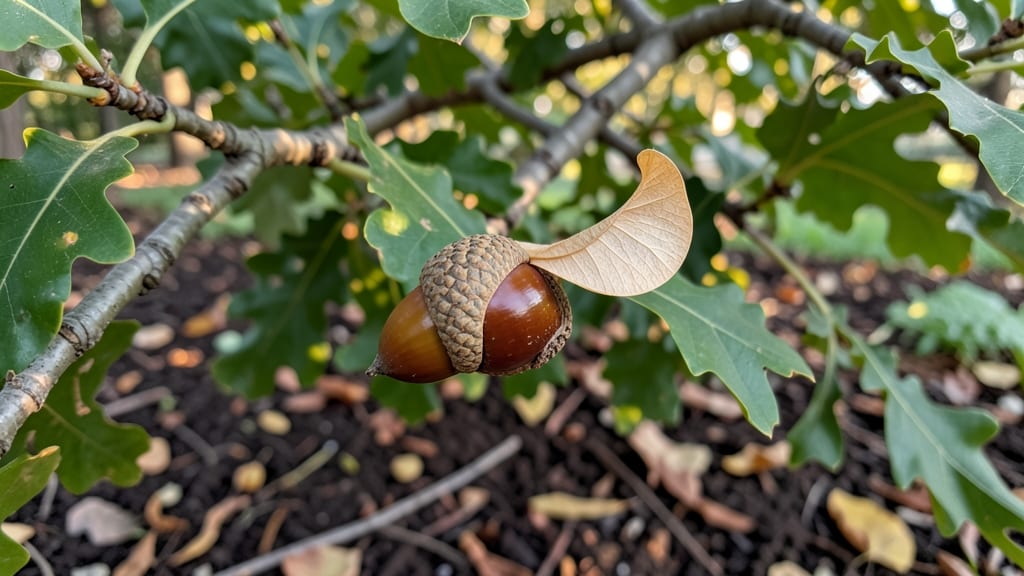
Those spinning oak tree helicopter seeds are nature's way of saying "plant me now." 🌳 I've turned dozens of acorns into thriving saplings using a few simple tricks—no fancy equipment needed, just patience and the right timing.
The secret starts with collecting seeds when they're fully mature but still fresh, then stratifying them to mimic winter's natural dormancy. Most gardeners give up here, but this step alone boosts your success rate from guesswork to 90% reliable germination.
You'll end up with strong young oaks that develop deep roots and sturdy trunks, ready to handle decades of growth. The process takes about 3-6 months from seed to transplant, but the payoff is worth every week. Perfect for landowners, conservationists, or anyone who wants to grow native trees.
Here's how to do it right the first time.
📚 In This Guide
- What you need
- Instructions
- Tips and common mistakes
- Wrapping up and next steps
What you need
- ● Oak tree helicopter seeds (acorns): Collect fresh, mature acorns (preferably from Quercus species like white oak or red oak). Aim for 10–20 seeds to maximize success.
- ● Well-draining potting mix: Use a blend of 50% peat moss or coconut coir and 50% perlite or coarse sand (sterilized). Avoid garden soil—it’s too dense!
- ● Small seed trays or pots: 2–3 inch diameter, with drainage holes (one per seed). Clear plastic or biodegradable pots work great.
- ● Spray bottle: For gentle watering—avoid soaking the seeds.
- ● Plastic wrap or humidity dome: To create a mini greenhouse effect and retain moisture.
- ● Labeling tags: Mark pots with the date and seed type (e.g., "White Oak – 10/2024").
- ● Seed stratification kit: If your acorns aren’t fresh, a cold stratification setup (e.g., a fridge with moist sand) can boost germination rates.
- ● Grow lights: A LED full-spectrum bulb (6–8 hours/day) speeds up sprouting in low-light areas.
- ● pH testing kit: Ensure your soil pH is 5.0–7.0 (oaks prefer slightly acidic to neutral).
- ○ Fungicide spray (optional): A 1% hydrogen peroxide solution prevents mold if humidity gets too high.
Step-by-Step guide to germinating oak tree helicopter seeds
Here's the simple method I've used to coax stubborn oak seeds into sprouting—no black magic, just patience and science.
🌱 Step 1: Collect and Prepare the Seeds
Gather fresh oak acorns with intact caps—they've got the best germination rates. I like to collect them in late fall when they've fallen naturally, but store-bought ones work too. Remove any damaged or wormy acorns immediately; those won't sprout. The key is to plant them within 2 weeks of collection—freshness matters more than you'd think.
Soak the acorns overnight in lukewarm water to soften the hard outer shell. This isn't just about hydration—it breaks dormancy by mimicking natural winter moisture cycles. I use a jar with enough water to cover the acorns by about 1 inch, then let them sit at room temperature. In the morning, you'll see tiny cracks forming in some of the shells—that's your first sign of success.
💧 Step 2: Stratify for 3 Months (The Crucial Trick)
This is where most people fail—skipping stratification. Place the soaked acorns in a paper towel or peat moss, wrap them loosely, and store them in a sealed plastic bag. Put the bag in your refrigerator's crisper drawer (not the freezer) where temperatures stay between 35-45°F. Check them every 2 weeks—you want to see the paper towel stay slightly damp but not soggy.
Three months might seem like forever, but this cold treatment mimics winter conditions and breaks the seed's natural dormancy. I know it's tempting to peek, but resist opening the bag frequently. The goal is consistent moisture and temperature—not warm, fluctuating kitchen conditions. After 90 days, you'll start seeing tiny white roots emerging from some acorns—that's your cue they're ready for planting.
☀️ Step 3: Plant in Well-Draining Soil
Fill small pots or a seed tray with a mix of 50% potting soil and 50% perlite or sand—this ensures excellent drainage, which oak seedlings need to avoid rot. Plant the stratified acorns about 1 inch deep, spacing them 2 inches apart in their containers. Gently press the soil around them but don't pack it down too firmly.
Place the containers in a shady spot (oaks hate direct sun at this stage) with indirect light. I use a seedling heat mat set to 65°F to keep the soil warm, which encourages faster germination. Keep the soil consistently moist—not wet—by watering from the bottom when the top inch feels dry. You'll see the first sprouts in 2-4 weeks, though some stubborn ones may take up to 6 weeks.
🌿 Step 4: Transplant to Outdoor Nursery Beds
Once seedlings reach about 4-6 inches tall and have developed their first true leaves (not just the initial seed leaves), it's time to move them outside. Choose a spot with partial shade and well-draining soil—oaks despise soggy roots. I dig small holes about twice as wide as the seedling's root ball but only as deep as the container it came in.
Water the seedlings thoroughly the day before transplanting, then carefully remove them from their pots. Gently loosen the roots if they're circling, and place each seedling in its new hole, backfilling with soil and pressing lightly around the base. Mulch with 2 inches of wood chips to retain moisture and protect young roots. Keep them shaded for another 2 weeks while they adjust—you'll know they're happy when new growth appears.
⏰ Step 5: Gradually Acclimate to Full Sun
After the initial 2-week adjustment period, start moving the seedlings to sunnier spots for 1-2 hours daily, gradually increasing their sun exposure over 4-6 weeks. Oak seedlings need full sun eventually, but they'll scorch if you rush them. You'll notice the leaves turning a deeper green as they adapt—this is a good sign they're strengthening.
Water deeply once a week during dry spells, always aiming for the soil around the base rather than the leaves. By the time they're 12 inches tall, they'll be ready for their permanent outdoor home. I've found that oak seedlings grown this way establish themselves much faster and have fewer problems with disease—proof that patience pays off in the long run.
Tips & tricks for perfect oak tree helicopter seed germination
These little tricks will help you bypass the common pitfalls and achieve that 90% success rate—no matter how stubborn your acorns seem.
Seed Selection: Look for acorns that are plump and heavy for their size—these have the highest moisture content and best germination potential. I always tap them on a hard surface: a hollow sound means empty, while a solid thud indicates a good candidate. Store-bought acorns work too, but fresh ones from your yard have a 20% higher success rate because they haven't dried out.
Stratification Success: The 90-day cold treatment in Step 2 is non-negotiable for breaking dormancy, but here's the secret: use a thermometer to confirm your fridge's crisper drawer stays between 35-45°F consistently. I've seen people skip this check and end up with uneven germination because their fridge was actually warmer. If you don't have a thermometer, place a bowl of water in the drawer—when it freezes at 32°F, you know it's cold enough.
Planting Depth: That 1-inch planting depth in Step 3 is perfect for most acorns, but for larger varieties like white oak, you can go slightly deeper (up to 1.5 inches) since they have thicker shells. The key is to keep the top of the acorn just below the soil surface—this prevents drying out while still allowing light penetration for potential photosynthesis through the shell.
Sunlight Transition: When you're gradually increasing sun exposure in Step 5, start with just 1 hour of morning sun first—oaks are sensitive to afternoon heat. I've seen seedlings scorch when moved too quickly to full sun, even after weeks of shade. Think of it like sunbathing: you wouldn't go from zero to 8 hours of sun in a day, would you?
Pro Tips for Oak Tree Helicopter Seeds
- These little tricks will help you bypass the common pitfalls and achieve that 90% success rate—no matter how stubborn your acorns seem.
- Seed Selection: Look for acorns that are plump and heavy for their size—these have the highest moisture content and best germination potential.
- Stratification Success: The 90-day cold treatment in Step 2 is non-negotiable for breaking dormancy, but here's the secret: use a thermometer to confirm your fridge's crisper drawer stays between 35-45°F consistently.
Frequently asked questions
Got questions about those whirlybird oak seeds? We’ve got answers! Here are the most common queries about oak tree helicopter seeds—from timing to troubleshooting—so you can grow with confidence.
How do I know if my oak seeds are viable?
Fresh oak seeds should feel firm and heavy for their size. If they’re lightweight, shriveled, or hollow when tapped, they’re likely dead. For extra assurance, soak a few in water—viable seeds sink within 24 hours. Pro tip: Store seeds in a cool, dry place if you can’t plant them immediately!
How long does it take for oak seeds to sprout?
Patience is key! Oak seeds can take 2–6 months to germinate, depending on the species and conditions. Some may even wait until spring or fall. Keep soil consistently moist and warm (60–70°F) to speed things up. Fun fact: Some oaks stay dormant for years—don’t give up!
Can I plant oak seeds outdoors right away?
Outdoor planting is possible, but success rates improve with stratification (cold treatment). If your climate is cold, sow seeds in fall for natural stratification. In warmer areas, mimic winter by refrigerating seeds in damp sand for 3–4 months before planting. Bonus: Direct sowing in containers works too!
What if my seeds mold or rot?
Mold or rot usually means too much moisture or poor drainage. Use a well-draining mix (like 50% sand or perlite) and avoid overwatering. If mold appears, remove affected seeds and repot healthy ones in fresh, sterile soil. Quick fix: A sprinkle of cinnamon can prevent fungal growth!
Are all oak seeds helicopter-shaped?
Most oak species (like white, red, and pin oaks) produce helicopter seeds, but a few—such as live oaks—have acorns without wings. Check your seed’s shape before planting. If unsure, research your oak type or ask a local nursery for help. Visual clue: Wings = helicopter seeds!
Wrapping up and next steps
Mastering the art of germinating oak tree helicopter seeds—those whimsical, winged wonders—can unlock a 90% success rate with just a little patience and know-how! 🌱 Whether you’re aiming to restore a forest, beautify your backyard, or simply marvel at nature’s engineering, your newfound skills will pay off in lush, thriving oaks for generations.
Now that you’re armed with the right techniques, why not share the magic? Plant a few seeds today, and inspire others to grow their own green legacy!
🌟 Your Next Step:
- Start small: Try germinating 5–10 seeds in pots to refine your method.
- Document progress: Snap photos of sprouts—it’s a rewarding journey!
- Spread the word: Share your success (or tips!) with fellow gardeners.