
Neem Oil
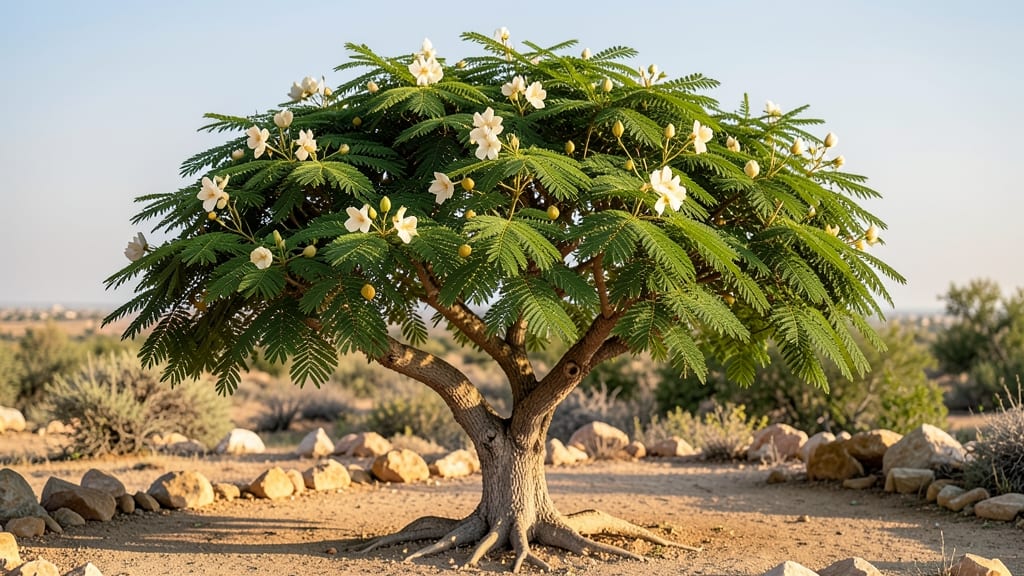
Growing a neem tree in Arizona isn’t just possible—it’s one of the smartest choices for desert gardens. 🌵 This hardy tree thrives in the heat, fights pests naturally, and even improves soil over time.
Unlike many tropical plants, neem trees handle Arizona’s dry climate better than most, making them perfect for both urban yards and rural landscapes.
The secret to success lies in mimicking its natural habitat: well-draining soil, minimal water once established, and protection from winter’s rare freezes. Most Arizona nurseries carry neem saplings, and local soil amendments like compost help them root faster.
Unlike water-guzzlers, neem trees develop deep roots that tap into moisture efficiently—ideal for our desert summers.
By year two, you’ll see lush foliage that repels aphids, whiteflies, and even fungal diseases without chemicals. The tree’s fragrant flowers attract pollinators, and its shade becomes a cooler retreat. Prune lightly in late winter to shape it, but avoid heavy cuts—neem trees reward patience with decades of low-maintenance growth.
Whether you’re in Phoenix, Tucson, or Flagstaff, neem trees adapt—just watch for sudden cold snaps. Start with a young tree from a trusted local nursery, and you’ll have a resilient, eco-friendly addition that outlasts most Arizona plants. Ready to plant yours?
📚 In This Guide
- What you need
- Instructions
- Tips and common mistakes
- Wrapping up and next steps
What you need
- ● Neem seeds or sapling: 1–2 (ensure they’re Azadirachta indica—certified disease-free for best results).
- ● Well-draining potting mix: 5–10 gallons (blend 60% cactus/succulent soil + 40% perlite or pumice for aeration). Pro tip: Avoid heavy clay soils!
- ● Container (if not planting in-ground): 1 large pot (15–20 gallons) with drainage holes or
- ● In-ground planting spot in full sun (6+ hours/day) with sandy, alkaline soil (pH 7.5–8.5).
- ● Organic fertilizer: 1 lb of low-nitrogen fertilizer (e.g., 5-5-5 or composted manure) for slow-release nutrients.
- ● Mulch: 2–3 inches of gravel or bark chips (retains moisture while preventing rot).
- ● Watering can or drip irrigation kit: For precise, deep watering (1–2 gallons per tree, 2–3x/week in summer).
- ● Pruning shears: Sharp, sterilized shears (for shaping and removing dead branches).
- ● Soil amendments: Gypsum (to improve drainage) or mycorrhizal fungi (boosts root health).
- ● Shade cloth: 30–50% coverage for young trees during Arizona’s intense summer heat (100°F+).
- ● Neem oil spray: 1 bottle (for pest control—mix 1 tsp oil + 1 tsp mild soap per quart of water).
- ● Drip irrigation timer: Automates watering for consistency (saves time and water!).
- ● Compost tea: 1 gallon (monthly foliar spray to enrich soil microbes).
Step-by-Step guide to planting and caring for a neem tree in Arizona
Here's how to establish a thriving neem tree in Arizona's desert climate—where water conservation and heat tolerance make all the difference.
🌱 Step 1: Choose the Right Location and Planting Time
Neem trees love full sun—at least 6-8 hours daily—so pick a spot with unobstructed southern exposure. In Arizona, plant in late winter or early spring (February-March) when soil temperatures warm but extreme summer heat hasn’t arrived yet. Avoid planting during monsoon season (July-September) because the roots need time to establish before heavy rains.
Dig a hole twice as wide as the root ball but only as deep as the container’s base. Loosen the sides of the hole with a shovel to encourage root spread. Here’s the thing—neem trees hate soggy soil, so if your yard has heavy clay, amend the hole with 1-2 inches of coarse sand mixed into the native soil. This improves drainage and prevents root rot.
☀️ Step 2: Prepare the Tree and Plant Correctly
Remove the neem tree from its container and gently tease the roots apart if they’re circling the pot. Place it in the hole so the top of the root ball sits 1 inch above ground level—this prevents water from pooling around the trunk. Fill the hole with the amended soil, tamping lightly as you go to remove air pockets.
Water deeply right after planting to settle the soil, then let the top 2-3 inches dry out before watering again. Mulch around the base with 2-3 inches of wood chips or gravel (gravel works better in desert climates to reduce evaporation). Keep mulch 6 inches away from the trunk to prevent rot. Real talk: Overwatering here kills more neem trees than drought.
💧 Step 3: Water Deeply but Infrequently
Neem trees are drought-tolerant once established, but young trees need deep, infrequent watering to develop strong roots. Water once every 10-14 days during the first year, soaking the soil to a depth of 12-18 inches. You’ll know you’ve gone deep enough when water emerges from the drainage holes if planted in a pot, or when the soil feels moist 6 inches down with a trowel.
After the first year, reduce watering to once every 3-4 weeks unless you see signs of stress like wilting leaves or dry soil cracks. Arizona’s heat means water evaporates fast—check soil moisture with your finger before watering. If the top 3 inches feel dry, it’s time to water. If not, wait another week.
✂️ Step 4: Prune for Shape and Health
Prune your neem tree in late winter or early spring before new growth begins. Remove any dead, diseased, or crossing branches first—these are easy to spot as they’re brown, brittle, or rub against other branches. Then shape the tree by cutting back 1/3 of the new growth from the previous year to encourage bushier growth.
Neem trees grow fast, so prune annually to maintain size and shape. Use clean, sharp pruners to make cuts just above a leaf node or outward-facing bud. Avoid heavy pruning in summer—it stresses the tree when it’s already battling heat. Watch for sap bleeding after pruning; it’s normal and harmless, but it can attract pests if left to dry on the bark.
🪴 Step 5: Protect from Pests and Monitor Year-Round
Arizona’s mild winters mean pests like aphids, scale, or spider mites can appear anytime. Inspect your neem tree monthly, especially on the undersides of leaves. If you spot pests, spray with neem oil (the same tree’s natural defense!) mixed with water (1 tablespoon per quart) and a drop of dish soap as an emulsifier. Reapply every 7-10 days until pests disappear.
Fertilize lightly in early spring with a balanced, slow-release fertilizer (10-10-10 ratio). Apply half the recommended dose to avoid burning the roots. Neem trees are tough but don’t need much—over-fertilizing leads to weak, pest-prone growth. Watch for signs of nutrient deficiency like yellowing leaves (nitrogen) or purple stems (phosphorus) and adjust accordingly.
Tips & tricks for desert-adapted neem tree care
These desert-smart strategies will help your neem tree thrive in Arizona's challenging climate where water scarcity and intense sun make all the difference.
Sunlight Strategy: While neem trees need that full sun exposure, don't assume every spot gets equal sunlight. Test your location for at least 6-8 hours of direct sun by placing a white object where you plan to plant - if it casts a shadow for less than 6 hours, move to a sunnier spot. Morning sun is gentler than afternoon heat, so if possible, position your tree to get more morning sunlight and afternoon shade from nearby structures.
Soil Preparation: The 1-2 inches of coarse sand amendment in Step 1 is crucial for Arizona's heavy clay soils, but don't stop there. Before planting, add a handful of mycorrhizal fungi to the hole - these beneficial microbes help roots absorb water and nutrients more efficiently. You can find them at garden centers in powder or granular form. This small addition makes a big difference in establishing drought-resistant roots.
Watering Wisdom: When checking soil moisture in Step 3, use a screwdriver instead of your finger - it gives you a more accurate reading of moisture at 6 inches down. Push it in gently; if it goes in easily, your soil is moist enough. For container-grown trees, weigh the pot before watering - if it's light, it's time to water. This method prevents both underwatering and overwatering, which are the two biggest killers of young neem trees in desert climates.
Pruning Precision: When you're cutting back 1/3 of new growth in Step 4, make your cuts just above a leaf node where new growth will emerge. Look for the small bump where leaves attach to the branch - this is your target spot. Avoid cutting flush with the branch as this can leave a wound that takes longer to heal, making your tree more vulnerable to pests and diseases in Arizona's dry conditions.
Pro Tips for Neem Tree Arizona
- These desert-smart strategies will help your neem tree thrive in Arizona's challenging climate where water scarcity a...
- Sunlight Strategy: While neem trees need that full sun exposure, don't assume every spot gets equal sunlight. Test yo...
- Soil Preparation: The 1-2 inches of coarse sand amendment in Step 1 is crucial for Arizona's heavy clay soils, but do...
Frequently asked questions
Got questions about growing a neem tree in Arizona’s desert climate? You’re not alone! Here are some of the most common concerns—and their solutions—to help you cultivate a thriving, pest-resistant neem tree year-round.
Can neem trees survive Arizona’s extreme heat and cold?
Arizona’s neem trees (Azadirachta indica) are tough but not invincible. They thrive in USDA Zones 9-11 and handle 100°F+ heat with ease, but freezes below 20°F can damage young trees. Plant in well-draining soil and mulch heavily to protect roots. Mature trees often bounce back after light frost!
How long does it take for a neem tree to grow in Arizona?
Neem trees grow slow to moderate in Arizona’s climate. Expect:
- 1–3 years for establishment (focus on deep roots).
- 5–10 years to reach 15–20 feet tall (full maturity).
- Year-round growth in mild winters, but slower in summer’s peak heat.
How often should I water a neem tree in the desert?
Overwatering is the #1 killer of desert neem trees! Follow this rule:
- First year: Water deeply 2–3 times/week (1–2 inches total).
- Mature trees (3+ years): Water every 2–4 weeks (check soil moisture 6” down).
- Drought tolerance: Once established, neem trees hate soggy soil—let the desert do the work!
Will a neem tree really repel pests in Arizona?
Absolutely!
Neem trees are nature’s pest deterrent for Arizona’s common bugs, including:
- Whiteflies, aphids, and spider mites (sap-suckers).
- Caterpillars and beetles (leaf chewers).
- Even rodents avoid the bitter leaves!
What’s the best alternative if I can’t grow a neem tree in Arizona?
If your area gets hard freezes (below 20°F) or you’re in a high-altitude desert, try these pest-resistant, drought-tolerant alternatives:
Plant
Pest Benefits
Arizona Hardiness
Desert Willow (Chilopsis linearis)
Deters beetles; attracts pollinators.
Zones 7–11 (cold-hardy!).
Russian Sage (Perovskia atriplicifolia)
Repels mosquitoes; deer-resistant.
Zones 5–9.
Mexican Sunflower (Tithonia rotundifolia)
Attracts predator insects (ladybugs!).
Zones 8–11.
Wrapping up and next steps
Growing a neem tree in Arizona is not just possible—it’s a rewarding way to harness nature’s power right in your desert backyard! 🌵 With the right soil, watering routine, and a little patience, you’ll enjoy year-round benefits like organic pest control and fragrant blooms.
Whether you’re a seasoned gardener or just starting, this resilient tree proves that even the harshest climates can nurture thriving greenery.
Ready to take the next step? Start small—plant a seedling or sapling this season and monitor its progress. Before you know it, your neem tree will be a lush, low-maintenance addition to your landscape, offering shade, healing properties, and a touch of tropical charm to the Sonoran Desert.
Happy growing! 🌱