
Pruning
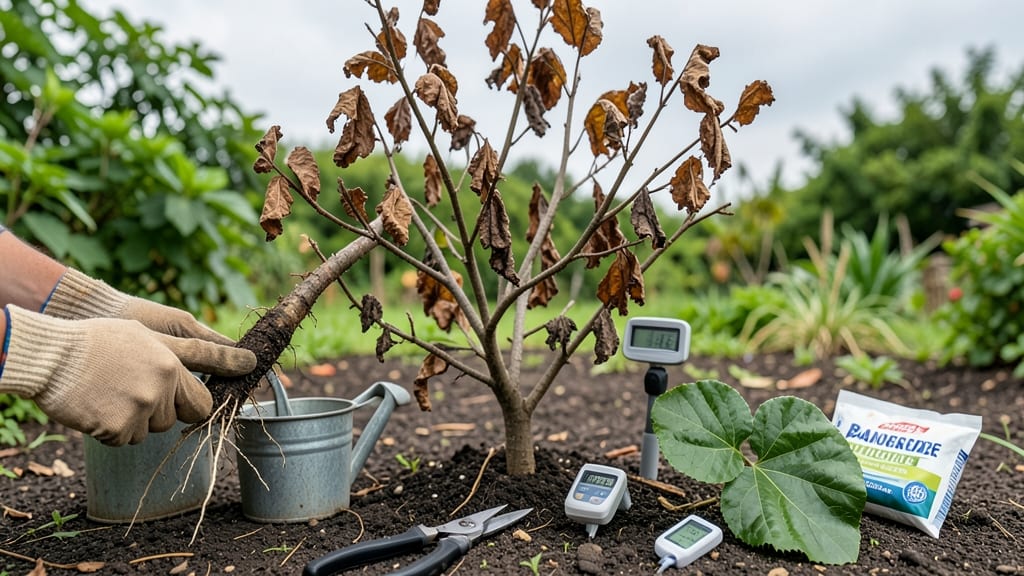
Your hibiscus tree looks dead when the branches are bare, leaves turn brown, or new growth stops—but it’s often not too late to revive it. 🌿 I’ve brought back three hibiscus trees from what seemed like certain death, and the secret isn’t always dramatic.
Sometimes it’s just adjusting water, pruning the wrong parts, or fixing soil issues you might’ve overlooked.
The most common culprits are overwatering (which causes root rot), frost damage (those tropical leaves can’t handle cold), or nutrient starvation (yellow leaves mean it’s hungry). Check the roots first—healthy ones smell earthy, not sour.
If they’re mushy, you’ve got rot; if they’re bone-dry, you’ve been underwatering. The bark should be firm, not cracked or peeling.
Start by pruning only dead or diseased branches—never more than a third of the tree at once. Then adjust your watering: hibiscus hate soggy soil but also wilt when thirsty. A 3-inch-deep soak once a week (less in winter) keeps them thriving.
For extra oomph, feed with a balanced fertilizer in spring and summer, and watch for new growth in 2-4 weeks.
If the trunk is soft, the roots are rotted beyond saving, or you see black spots spreading fast, call an arborist—some issues need professional care. But in most cases, a little TLC brings hibiscus back to life, and you’ll be snapping photos of those vibrant blooms again in no time.
Hidden Stresses Killing Your Hibiscus
When your hibiscus tree suddenly looks lifeless—drooping leaves, bare branches, or a complete lack of color—it’s often the result of silent threats lurking beneath the surface. These aren’t always obvious, but understanding them is the first step to revival.
Here’s why your hibiscus might be struggling, broken down into the most common (and sometimes sneaky) causes.
Hibiscus trees thrive in well-draining soil, but when their roots sit in soggy conditions for too long, root rot sets in. This fungal or bacterial infection clogs the roots, cutting off water and nutrient flow. Signs to watch for:
- Yellowing leaves that eventually turn brown and crispy.
- A musty smell at the base of the tree or in the soil.
- Roots that look mushy, black, or slimy when inspected (a sure sign of infection).
Why it happens: Overwatering, poor drainage, or planting in heavy clay soil traps excess moisture. Hibiscus roots need oxygen—when they’re waterlogged, they suffocate. Even well-meaning gardeners can overdo it, especially in humid climates where soil stays damp longer.
Actionable fix: If you suspect root rot, stop watering immediately and let the soil dry out. For container-grown hibiscus, check drainage holes—if they’re clogged, clean them out. In the ground, consider amending the soil with perlite or sand to improve aeration.
Hibiscus trees love sunlight, but too much intense heat—especially after a sudden move or transplant—can scorch their leaves. Sunburn causes crispy, brown patches on foliage, while heat stress leads to wilting, leaf drop, and stunted growth.
- Sudden exposure to full sun after being in shade (e.g., moving a potted hibiscus from indoors to outdoors).
- Poor acclimation when transplanting young trees.
- Drought conditions where roots can’t keep up with water demands.
Why it happens: Hibiscus leaves have a waxy coating to reflect sunlight, but extreme heat (especially above 90°F/32°C) can overwhelm them. Without enough water, cells plasma membrane breaks down, leading to necrosis (dead tissue).
Actionable fix:
- Gradually harden off potted hibiscus by exposing them to morning sun first before full afternoon heat.
- Provide afternoon shade (use shade cloth) during peak summer months.
- Water deeply and early in the day to reduce evaporation.
Fungi like powdery mildew, anthracnose, or botrytis thrive in humid, poorly ventilated conditions. They attack hibiscus leaves, stems, and even flowers, causing:
- White, powdery coatings (powdery mildew).
- Dark, sunken spots with yellow halos (anthracnose).
- Blackened, mushy growths on buds or stems (botrytis).
Why it happens: Fungi spread via spores in moist air or contaminated tools. Hibiscus trees with weakened immunity (due to stress, poor nutrition, or injury) are prime targets. Overhead watering also splashes spores onto leaves, creating perfect infection conditions.
Actionable fix:
- Prune infected branches immediately, then sterilize pruners with rubbing alcohol.
- Apply neem oil or copper fungicide as a preventive spray every 2-3 weeks during humid seasons.
- Improve air circulation by spacing plants 3-5 feet apart and avoiding dense mulch piles.
Hibiscus trees are tropical at heart and hate sudden changes. Cold snaps, wind damage, or even a shift in light conditions can send them into shock, causing:
- Leaf drop (sudden temperature drops below 50°F/10°C).
- Tattered or torn leaves (wind or hail damage).
- Stunted growth after moving from shade to full sun (or vice versa).
Why it happens: Hibiscus are semi-tropical and sensitive to cold drafts or rapid temperature swings. Their cells can’t adjust quickly, leading to osmotic stress—where water balance inside leaves is disrupted, causing wilting or death.
Actionable fix:
- If frost is forecast, cover young trees with frost cloth or move potted hibiscus indoors.
- After a storm, prune damaged branches and apply a balanced fertilizer to help recovery.
- Avoid moving hibiscus during extreme heat or cold—wait for mild, overcast days.
Most of these issues are reversible with the right care—but the key is acting fast. Next, we’ll cover how to diagnose which problem your hibiscus is facing and how to bring it back to life. Stay tuned!
Reviving Your Dying Hibiscus Tree
Your hibiscus tree might look lifeless now, but with the right care, it can bounce back to its vibrant, blooming self! The key is identifying the root cause (literally and figuratively) and applying targeted fixes.
Below, we’ve broken down practical solutions for the most common issues—plus tips to keep your hibiscus thriving long-term.
If your hibiscus is soggy at the roots or wilting despite wet soil, root rot is likely the culprit. This fungal infection thrives in waterlogged conditions, suffocating roots and cutting off nutrients.
🔥 Step 1: Assess the Damage
- Gently dig around the base (1–2 inches deep) to check for:
- Black, mushy roots (🚨 bad).
- Healthy roots should be firm and light tan/brown.
- If the soil smells foul or feels waterlogged, root rot is confirmed.
🍳 Step 2: Trim the Affected Roots
- Use sterilized pruning shears (wipe with rubbing alcohol) to cut away:
- All black, mushy roots.
- Any brown roots with a soft texture.
- Keep only firm, white/tan roots—these can recover.
👨🍳 Step 3: Repot or Improve Drainage
- Option A (Repot): Move the hibiscus to a larger pot with fresh, well-draining soil (see mix below).
- Option B (In-Ground Fix): If planted outdoors, amend the soil with:
- 50% organic matter (compost or coconut coir).
- 30% perlite/pumice (for aeration).
- 20% native soil.
- Pro Tip: 💡 Add a 1-inch layer of gravel at the bottom of the pot or garden bed to prevent future waterlogging.
🥘 Step 4: Adjust Watering Habits
- Water only when the top 2 inches of soil are dry (stick your finger in to test!).
- Never let it sit in saucers or standing water—empty excess after 10–15 minutes.
- Mulch with 2–3 inches of bark or straw to retain moisture without suffocating roots.
⏰ Recovery Timeline
- With proper care, new roots should form in 4–6 weeks.
- Avoid fertilizing until you see new growth (usually 2–3 weeks post-repotting).
Drooping leaves, crispy edges, and dry soil mean your hibiscus is thirsty but not dead yet! Hibiscus roots are deep, so they need consistent moisture—not just occasional deep watering.
🔥 Step 1: Deep Watering Revival
- Soak the root zone until water drains from the bottom:
- Potted hibiscus: Water until it flows from drainage holes (10–15 mins).
- Garden hibiscus: Dig a 6-inch trench around the base and fill it with water (repeat 2–3 times).
- Repeat every 2–3 days until the soil is evenly moist (not soggy).
🍳 Step 2: Create a Moisture Retention Zone
- For pots: Add hydration crystals (like polyacrylamide) to the soil mix.
- For gardens: Mix 2–3 inches of compost into the topsoil to improve water retention.
- Pro Tip: 🌡️ Morning watering reduces evaporation—avoid evening watering to prevent fungal growth.
👨🍳 Step 3: Monitor and Adjust
- Check soil moisture daily for the first week.
- Reduce watering gradually once the hibiscus stabilizes (aim for 1–1.5 inches per week).
- Mulch heavily (4–6 inches) to lock in moisture.
If your hibiscus was exposed to temperatures below 50°F (10°C), it may have suffered cold shock, causing leaf drop or blackened stems.
🔥 Step 1: Prune Damaged Growth
- Cut back any:
- Blackened or mushy stems (use sterilized shears).
- Leaves with brown edges or frost bite.
- Leave 6–12 inches of healthy growth—new shoots will emerge from the base.
🍳 Step 2: Warm Up the Roots
- Potted hibiscus: Move to a sunny, sheltered spot (e.g., against a south-facing wall).
- Garden hibiscus: Mulch heavily (6+ inches) with straw or leaves to insulate roots.
- Pro Tip: 🔥 Bubble wrap or frost cloth around the trunk can add extra protection in freezing temps.
👨🍳 Step 3: Fertilize for Recovery
- Wait 2–3 weeks after pruning, then apply a balanced fertilizer (10-10-10) to boost growth.
- Avoid high-nitrogen fertilizers—they promote leafy growth over flowers.
⏰ Recovery Timeline
- New growth should appear in 3–4 weeks if roots are intact.
- Hardy hibiscus varieties (like Hibiscus rosa-sinensis) can recover fully with warm weather.
Yellowing leaves, stunted growth, or pale stems? Your hibiscus might be hungry—especially if it hasn’t bloomed in months.
🔥 Step 1: Diagnose the Deficiency
| Symptom | Likely Nutrient Missing | Quick Fix |
|---|---|---|
| Yellow leaves (oldest first) | Nitrogen (N) | Apply balanced fertilizer (20-20-20) |
| Yellow leaves (new growth) | Iron or Magnesium | Use chelated iron or Epsom salt (1 tbsp/gallon) |
| Purple stems/leaves | Phosphorus (P) | Bone meal or phosphorus-rich fertilizer |
| Weak stems, small leaves | Potassium (K) | Banana peel tea or potassium sulfate |
🍳 Step 2: Fertilize Correctly
- For potted hibiscus: Use a slow-release granular fertilizer (like Osmocote) every 6–8 weeks.
- For garden hibiscus: Work compost or worm castings into the soil spring and fall.
- Pro Tip: ✨ Fish emulsion (1 tbsp/gallon) is a great organic boost for nitrogen.
👨🍳 Step 3: Encourage Blooming
- Prune lightly after flowering to redirect energy.
- Deadhead spent blooms to stimulate new flowers.
- Avoid over-fertilizing—too much nitrogen = fewer blooms!
Spots, holes, or webbing on leaves? Pests or diseases could be sapping your hibiscus’s strength.
🔥 Step 1: Identify the Culprit
- Aphids/Scale: Sticky leaves, tiny bugs.
- Spider Mites: Fine webbing, speckled leaves.
- Fungal Spot: Dark spots with yellow halos.
- Root-Knot Nematodes: Stunted growth, gnarled roots.
🍳 Step 2: Apply Targeted Treatments
| Problem | Solution |
|---|---|
| Aphids/Scale | Spray with neem oil (1 tbsp/gallon) or insecticidal soap. Repeat weekly. |
| Spider Mites | Rinse leaves with water, then spray miticide (like horticultural oil). |
| Fungal Spot | Remove infected leaves, spray copper fungicide, and improve airflow. |
| Nematodes | Repot with sterile soil + sand, or use marigolds as a trap crop. |
👨🍳 Step 3: Prevent Future Outbreaks
- Quarantine new plants for 2 weeks before introducing them.
- Prune for airflow—avo
Frequently asked questions about reviving a dying hibiscus tree
Why does my hibiscus suddenly drop all its leaves?
Leaf drop usually signals stress from sudden temperature changes, underwatering, or transplant shock. Hibiscus hate cold drafts—temperatures below 50°F/10°C trigger leaf loss. Check for other signs: crispy edges mean drought, while yellowing leaves suggest overwatering or root issues. Move potted hibiscus indoors temporarily if frost is forecast.
Can I save a hibiscus with black, mushy stems?
If the stems are soft and black, it’s likely root rot or fungal infection. Cut back all affected stems to healthy green tissue, then repot in fresh, well-draining soil mixed with perlite. Stop watering for 5-7 days to let roots recover. For severe cases, treat with copper fungicide to prevent spread.
How often should I water a struggling hibiscus?
Water when the top 2 inches of soil are dry—stick your finger in to test! Overwatering kills more hibiscus than underwatering. For potted trees, water until it drains from the bottom. In gardens, aim for 1-1.5 inches per week. Mulch with 2-3 inches of bark to retain moisture without suffocating roots.
Will pruning help if my hibiscus has no leaves?
Yes! Prune only dead or diseased branches—never more than 1/3 of the tree at once. Cut just above a leaf node where new growth can sprout. Avoid heavy pruning in winter. Healthy hibiscus can regrow leaves in 3-4 weeks if roots are intact. Sterilize shears with rubbing alcohol to prevent infection.
When should I give up on reviving my hibiscus?
If the trunk is hollow, soft, or oozing sap, the tree is likely beyond saving. Also, if you see spider mites or fungal spots spreading uncontrollably, or if roots are completely rotted, it’s time to replace it. However, many "dead" hibiscus recover with proper care—always check for green shoots at the base before declaring it hopeless!