
Pruning
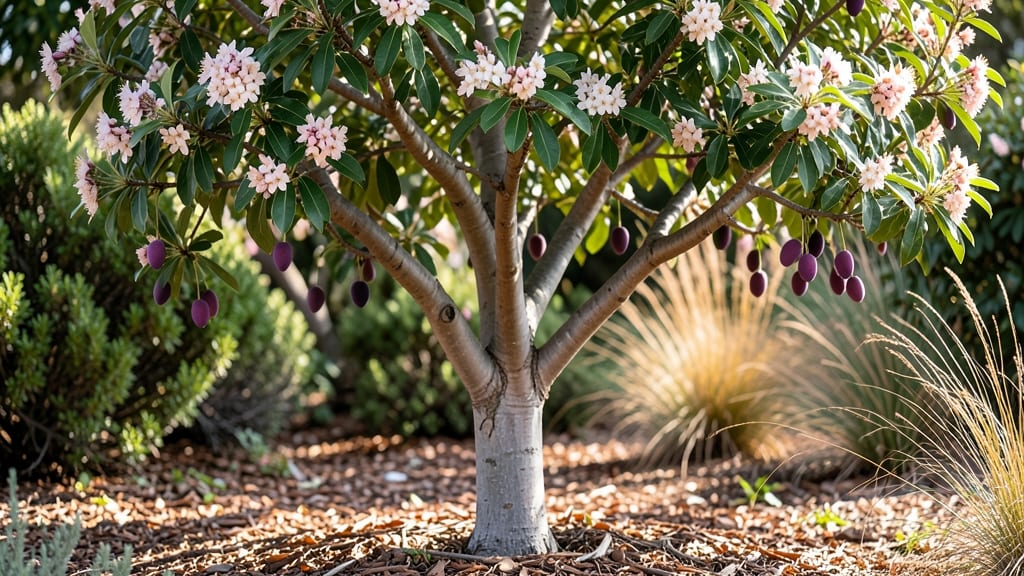
Growing a Mexican plum tree in Houston means year-round beauty that thrives despite our subtropical heat. 🌿 I’ve watched mine bloom pink in winter, fruit in spring, and still look stunning when summer hits—all because of smart pruning and Houston-specific care.
The key isn’t just cutting branches; it’s understanding when, how, and why to shape this drought-tolerant tree for our climate.
Houston’s humidity and heat actually work in your favor here. This native tree handles our summers better than most, but it needs well-draining soil and full sun to prevent fungal issues.
Plant in late fall or early spring when temperatures cooperate, and space it 20-30 feet from structures—it grows fast but stays manageable with regular pruning. The real secret? Pruning right after flowering preserves next year’s blooms while keeping the shape open for airflow.
You’ll end up with a tree that flowers twice a year, produces edible (though tart) plums, and provides shade without the mess of other Houston favorites. The first year is about establishing roots; after that, focus on shaping in late winter before new growth starts.
Just avoid heavy pruning in summer—our heat stresses trees more than you’d think.
Local nurseries like Native American Seed or Houston’s own The Natural Gardener carry Mexican plum trees, and they’re often cheaper than big-box stores. Start with one, and you’ll have a low-maintenance centerpiece that outperforms most ornamentals in our climate.
The pruning pays off in both looks and longevity—trust me, I’ve seen neglected ones struggle.
📚 In This Guide
- What you need
- Instructions
- Tips and common mistakes
- Wrapping up and next steps
What you need
- ● Pruning shears: Bypass pruners (sharp, 6-8 inch blade) for small branches.
- ● Loppers: 18-24 inch bypass loppers for thicker branches (up to 2 inches in diameter).
- ● Pruning saw: Curved-tooth pruning saw for branches over 2 inches thick.
- ● Disinfectant (70% isopropyl alcohol or bleach solution): 1 bottle (8 oz) to sterilize tools between cuts.
- ● Heavy-duty gloves: 1 pair (gardening gloves with reinforced palms for protection).
- ● Work boots or sturdy shoes: With non-slip soles for stability on uneven terrain.
- ○ Ladder (optional but helpful): Extendable aluminum ladder (12-16 ft) if your tree is tall.
- ● 5-gallon bucket: 1 bucket to collect pruned branches and debris.
- ○ Pruning sealant (optional): 1 small bottle (for sealing large cuts to prevent disease).
- ● Knowledge of pruning basics: Familiarize yourself with heading cuts, thinning cuts, and deadwood removal.
- ● Best timing: Prune during late winter or early spring (February-March in Houston’s climate) before new growth starts.
- ● Weather check: Choose a dry, overcast day to avoid stressing the tree.
- ● Safety first: Ensure the area around the tree is clear of pets, kids, and bystanders.
How to prune a Mexican plum tree in Houston for year-round beauty
Here’s the pruning strategy I’ve used to keep my Mexican plum tree thriving in Houston’s heat and humidity.
✂️ Step 1: Prune in Late Winter for Shape and Airflow
Start your pruning 2-3 weeks before your last frost date, typically mid-February in Houston. This timing lets the tree heal before spring growth surges. I remove dead, crossing, or diseased branches first—these are easy to spot as they’re brown, brittle, or lack leaves. Use clean, sharp pruners to make cuts just outside the branch collar (the swollen area where the branch meets the trunk).
Next, thin out the canopy by removing 10-20% of the smallest branches to improve airflow. This prevents fungal diseases that thrive in Houston’s damp springs. Look for branches growing inward—they’ll rub against each other as they grow, creating wounds that invite pests. Cut these back to a healthy outward-facing branch. You’ll notice the tree’s structure becomes more open, letting sunlight reach the lower branches.
☀️ Step 2: Light Pruning After Spring Flowering
Wait until after the Mexican plum tree finishes blooming (usually late March or early April in Houston) before doing any additional pruning. This ensures you don’t accidentally remove next year’s flower buds, which form on old wood. I focus on shaping the tree by trimming branches that are growing too long or out of balance. Use your hand as a guide—if a branch is thicker than your wrist, it’s too large to remove entirely.
For branches that need shortening, cut back to a bud or side branch that faces outward. Avoid leaving stubs—these can rot and attract insects. After pruning, I always sterilize my tools with rubbing alcohol to prevent spreading disease between cuts. The tree will respond by putting energy into new growth, so you’ll see fresh green leaves within 2-3 weeks if conditions are right.
🌿 Step 3: Summer Maintenance to Control Growth
During Houston’s hot, humid summers, Mexican plum trees can get leggy or overgrown. I do light maintenance pruning in June or July to keep the tree manageable. Remove any suckers (shoots growing from the base or roots) immediately—they drain energy from the main tree. For larger branches, I make cuts just above a leaf node to encourage bushier growth.
Watch for branches that are blocking sunlight from reaching the lower canopy. These can be thinned out to improve light penetration, which helps the entire tree stay healthy. Avoid heavy pruning during summer—it stresses the tree when it’s already dealing with heat. Instead, focus on removing only the most problematic growth. You’ll see the tree’s shape become more balanced as it enters fall.
⏰ Step 4: Final Pruning in Early Fall for Winter Prep
In late October or early November, do a final light pruning to remove any dead or weak growth that appeared over summer. This prepares the tree for Houston’s mild winters while keeping it tidy. I also trim back any branches that grew too long during the season, cutting them back to a strong lateral branch or bud. This encourages a compact shape that’s easier to manage.
After pruning, I apply a thin layer of mulch (about 2-3 inches deep) around the base of the tree, keeping it 6 inches away from the trunk. This helps retain moisture and regulate soil temperature. Avoid over-mulching—too much can suffocate the roots. Your tree should look neat and well-balanced by winter, ready to burst into bloom again next spring.
Tips & tricks for pruning a Mexican plum tree in Houston
Here's what I've learned after years of keeping my Mexican plum tree thriving in Houston's unique climate.
Timing is Everything: The 2-3 weeks before your last frost date (typically mid-February in Houston) is perfect for your first pruning because it gives your tree time to heal before spring growth kicks in. I've seen trees that were pruned too early suffer from frost damage to fresh cuts. If you're unsure about your frost date, check with your local extension office—they'll have the most accurate information for your specific Houston area.
Tool Prep Matters: Before you start, sterilize your pruners with rubbing alcohol between cuts. This might seem like overkill, but I've seen fungal infections spread quickly in Houston's humid climate. Also, make sure your pruners are sharp—dull blades tear wood instead of making clean cuts, which can invite disease. I keep a small bottle of rubbing alcohol and a clean rag in my pruning kit for quick sterilization between trees.
Visual Cues for Pruning: When thinning the canopy in Step 1, look for branches that cross each other or grow inward—they'll rub together as they grow, creating wounds that can attract pests. In Step 3 during summer maintenance, watch for branches that are blocking sunlight from reaching the lower canopy. These are your targets for thinning. I've found that removing just 10-20% of the smallest branches opens up the tree dramatically, improving airflow and light penetration.
Mulching Wisdom: After your final fall pruning, apply that 2-3 inch layer of mulch but keep it 6 inches away from the trunk. This might seem counterintuitive, but mulch piled against the trunk can trap moisture and lead to rot. I've seen many trees suffer from this common mistake. Also, use organic mulch like shredded bark or wood chips—these break down over time, adding nutrients to your soil.
Pro Tips for Mexican Plum Tree Houston
- Here's what I've learned after years of keeping my Mexican plum tree thriving in Houston's unique climate.
- Timing is Everything: The 2-3 weeks before your last frost date (typically mid-February in Houston) is perfect for your first pruning because it gives your tree time to heal before spring growth kicks in.
- Tool Prep Matters: Before you start, sterilize your pruners with rubbing alcohol between cuts.
Frequently asked questions
Got questions about growing and pruning your Mexican plum tree (Prunus mexicana) in Houston?
You’re not alone! Here are some of the most common queries—plus practical answers to keep your tree thriving year-round.
When is the best time to prune a Mexican plum tree in Houston’s climate?
The ideal time is late winter to early spring (February–March), just before new growth begins. Houston’s mild winters make this window perfect—avoid pruning in fall () to prevent frost damage. If you must prune in summer, do it early (June) to minimize stress. Pro tip: Prune after blooming to avoid cutting off next year’s fruit!
How much can I prune my Mexican plum tree without harming it?
For established trees, never remove more than 25% of the canopy in one session. Young trees (under 5 years) can handle lighter pruning (10–15%). Focus on:
- Removing dead, diseased, or crossing branches ()
- Thinning out overcrowded limbs for airflow
- Shaping to open the center for sunlight
Why are my Mexican plum tree’s leaves yellowing after pruning?
Yellowing leaves post-pruning are usually normal stress—but monitor for these red flags:
- Uniform yellowing = Over-pruned or nutrient deficiency (add balanced fertilizer in spring).
- Brown edges or spots = Underwatering or fungal issues (check for powdery mildew ).
- Wilting + yellow = Possible root damage (water deeply and mulch).
Can I grow a Mexican plum tree in Houston’s urban heat and humidity?
Absolutely!
Mexican plum trees thrive in Houston’s Zone 8a–9b with:
- Full sun (6+ hours/day)
- Well-draining soil (amend clay with compost)
- Regular watering (deep soak 2–3x/week in summer)
What’s a good alternative if my Mexican plum tree isn’t thriving?
If your tree struggles with pests (), disease, or Houston’s heat, consider these low-maintenance, drought-tolerant alternatives:
Tree
Why It Works
Texas Mountain Laurel (Sophora secundiflora)
Native, fragrant blooms, zero fruit pests.
Eve’s Necklace (Sophora affinis)
Drought-proof, heat-loving, and deer-resistant.
Mexican Sycamore (Platanus mexicana)
Fast-growing shade tree with tough urban tolerance.
Wrapping up and next steps
Transforming your Houston garden with a Mexican plum tree is a rewarding journey that blends beauty, resilience, and low-maintenance care—especially when you master the art of pruning! By following smart techniques like seasonal trimming and shape-preserving cuts, you’ll ensure year-round vibrancy while keeping pests and diseases at bay. 🌿
Ready to take the next step? Grab your pruners, mark your calendar for the best pruning windows, and enjoy the lush, fragrant blooms your tree will reward you with. Your Houston garden—and your Mexican plum—will thank you!