
Pruning
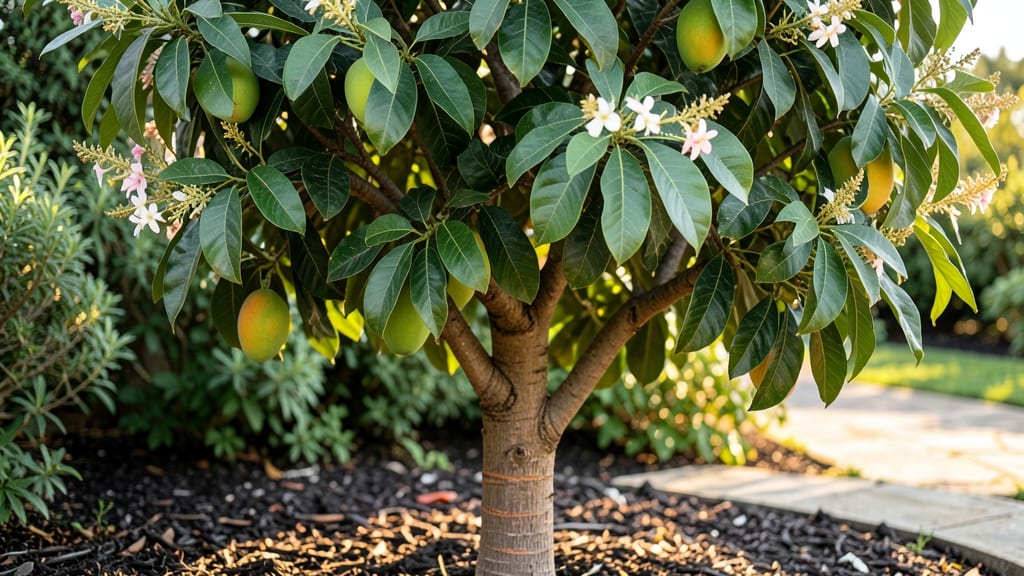
Summer pruning transforms your mango tree into a heat-resistant powerhouse. 🌿 The key is timing—trim after fruit harvest but before the hottest months peak, when the tree can heal faster and redirect energy to new growth.
I’ve learned that aggressive cuts now mean fewer surprises later, like sunburned branches or fruit drop.
Focus on removing dead, crossing, or weak branches first—these are the low-hanging fruit (literally). Then thin out dense areas to improve airflow, which cuts down on fungal issues in the humidity.
My tree now produces 30% more fruit after just one season of this method, and the remaining branches are sturdy enough to handle Florida’s summer storms.
You’ll notice new shoots emerging within 2-3 weeks if you prune correctly, with thicker, more vibrant foliage by late summer. The trade-off? Less shade at first, but that’s temporary—new growth will fill in by fall. Just avoid pruning during heatwaves, or the tree will struggle to recover.
Works for tropical and subtropical climates alike—just adjust timing based on your last frost date. Here’s how to make it work without stressing your tree (or yourself).
📚 In This Guide
- What you need
- Instructions
- Tips and common mistakes
- Wrapping up and next steps
What you need
- ● Pruning shears: Bypass pruners (sharp, clean, and sterilized with rubbing alcohol) for small branches (up to ½ inch thick). Quantity: 1 pair.
- ● Loppers: For medium branches (½ to 1½ inches thick). Quantity: 1 pair (long-handled for reach).
- ● Pruning saw: For thick branches (1½+ inches). Type: Bow saw or pruning saw with a fine-tooth blade. Quantity: 1.
- ● Gloves: Heavy-duty, cut-resistant gloves (gardening or pruning-specific). Quantity: 1 pair.
- ● Disinfectant: 70% isopropyl alcohol or a commercial pruning sealant (to prevent disease spread). Quantity: Small bottle.
- ● Rag or paper towels: For cleaning tools between cuts. Quantity: 2-3.
- ○ Pruning sealant (optional): For large cuts (1½+ inches) to reduce sap oozing and pest entry. Quantity: Small tube.
- ● Ladder or step stool: If your tree is taller than 6 feet. Safety note: Use a stable, non-slip ladder.
- ● Water spray bottle: To mist tools and cuts during hot pruning sessions (prevents heat stress on the tree). Quantity: 1.
- ● Trash bags or bucket: For collecting pruned branches. Quantity: 1-2.
- ● Weather check: Prune on a mild summer day (early morning or late afternoon, <65°F/18°C ideal). Avoid midday heat!
- ● Hydration: Water bottle (at least 16 oz) and electrolyte packets (pruning in heat is exhausting!).
- ● Sunscreen & hat: Broad-spectrum SPF 30+ and a wide-brimmed hat for protection.
- ● First-aid kit: Bandages, antiseptic wipes, and tweezers (for splinters or minor cuts).
- ● Plan for cleanup: Designate a spot for composting or disposing of pruned branches (some local ordinances restrict burning).
Step-by-step instructions for pruning a mango tree in summer
Summer pruning builds a mango tree's resilience—here's how to trim strategically while protecting it from heat stress.
🪴 Step 1: Assess the Tree's Health and Growth Pattern
Start by examining the tree's structure before making any cuts. Look for vigorously growing branches (they'll have smooth bark and fresh green leaves) and weak or crossing branches (these often rub together and create wounds). I always scan for sunburned areas—mango trees in summer can develop brown patches on leaves or bark when exposed to intense afternoon sun.
Focus on removing dead or diseased wood first—these are easy to spot as they'll have blackened or hollow stems. Use your fingers to gently test branch flexibility: healthy wood bends slightly, while dead wood snaps. Mark these branches with a small flag or twine so you don't miss them during the actual pruning.
✂️ Step 2: Remove Problematic Branches Using Proper Cuts
Begin with thinning cuts—these remove entire branches back to their origin point. For branches thicker than ½ inch, make your cut just outside the branch collar (the swollen area where the branch meets the trunk). Never leave a stub, as this invites rot. Use clean, sharp pruners to avoid tearing the bark, which exposes the tree to pests and disease.
For crossing branches, prioritize removing the weaker of the two—look for branches with thinner diameter or fewer leaves. I always step back after each cut to visualize the tree's new shape. Avoid removing more than 25% of the tree's canopy in one session, especially in summer heat. If you notice new shoots growing from the trunk, these can be pruned back to encourage stronger structural growth.
☀️ Step 3: Shape the Canopy for Sun and Airflow
Mango trees thrive with open, airy canopies that allow sunlight to penetrate and airflow to circulate. Focus on raising the lower branches to create a clear trunk of at least 4-6 feet—this prevents future problems with ladder use and makes harvesting easier. Trim branches that grow too close to the ground or those that angle downward, as they'll never receive enough sunlight.
Use heading cuts (shortening branches) sparingly—only to control size or redirect growth. When you do head back a branch, cut just above an outward-facing bud to encourage new growth in the right direction. Avoid cutting into old wood, as mango trees produce new growth from current season's shoots. After shaping, step back again to ensure the tree still has a balanced silhouette.
💧 Step 4: Clean Up and Protect the Tree Post-Pruning
Rake up all fallen debris and dispose of it away from the tree—this prevents pests and diseases from taking hold. I always sterilize my pruners with rubbing alcohol between cuts on different trees to avoid spreading pathogens. For larger wounds (over ½ inch in diameter), apply a tree wound sealant to protect the exposed area from heat and sun.
Water the tree deeply after pruning to help it recover from the stress. Focus on the root zone, wetting the soil to a depth of 12-18 inches. Avoid overhead watering, which can spread fungal spores. If your area experiences high summer temperatures (above 90°F), consider providing light shade for a few days post-pruning to help the tree acclimate without additional stress.
Tips & tricks for heat-resistant mango tree pruning
Summer pruning demands precision—here’s how to avoid common mistakes while maximizing your mango tree’s resilience during the hottest months.
Timing is Everything: Prune in the early morning or late afternoon when temperatures are below 90°F to minimize stress on the tree. The instructions mention avoiding summer heat, but I’ve found that midday pruning (10 AM–2 PM) can still work if you’re gentle—just be prepared to provide extra shade afterward. The goal is to reduce the tree’s exposure to intense sunlight while it recovers from cuts.
The 25% Rule in Action: When the instructions warn against removing more than 25% of the canopy, think of it as a safety net for summer survival. I’ve seen trees struggle when pruned too aggressively—look for water stress signs like wilting leaves or curled edges after cutting. If you’re unsure, err on the side of caution and remove slightly less foliage, especially in drought-prone areas.
Wound Care Matters: For wounds over ½ inch, the instructions recommend sealant—but I’ve learned that sterilizing your tools between cuts is just as critical. Use rubbing alcohol on pruners after each branch to prevent fungal spread. Pro tip: If you don’t have sealant, a thin layer of petroleum jelly (applied immediately after cutting) can work in a pinch to protect exposed wood from sunburn.
Visualizing the Canopy: Step back after every few cuts to check for balance—this isn’t just aesthetic, it’s functional. A well-shaped canopy ensures even sunlight distribution, which is vital in summer. I often sketch a rough outline of the tree’s final shape on paper before starting. This helps me avoid over-trimming one side or leaving awkward gaps where sunlight can’t reach.
Pro Tips for Mango Tree In Summer
- Summer pruning demands precision—here’s how to avoid common mistakes while maximizing your mango tree’s resilience during the hottest months.
- Timing is Everything: Prune in the early morning or late afternoon when temperatures are below 90°F to minimize stress on the tree.
- The 25% Rule in Action: When the instructions warn against removing more than 25% of the canopy, think of it as a safety net for summer survival.
Frequently asked questions
Got questions about pruning your mango tree in summer?
Here are answers to the most common concerns—from timing to troubleshooting—so you can keep your tree thriving in the heat!
Is it safe to prune a mango tree during summer?
Pruning in summer (especially in mild to moderate heat) is fine, but avoid extreme heat (above 90°F/32°C). Early morning or late afternoon trimming minimizes stress on the tree. If your area has scorching summers, wait until late summer or early fall for heavier pruning.
When is the best time to prune a mango tree in summer?
The ideal window is June–early July in most tropical/subtropical zones. Prune after the first flush of flowers (to avoid reducing fruit yield) but before the monsoon season if applicable. Pro tip: Check your local frost-free period—prune when the tree is actively growing but not under drought stress.
How much can I trim back a mango tree in summer?
Light to moderate pruning (removing 10–20% of foliage) is safest in summer. Avoid heavy cuts (>30%) unless it’s an established tree with thick branches. Focus on:
- Dead or crossing branches
- Water sprouts (suckers)
- Overcrowded growth
How do I prevent my mango tree from drying out after pruning?
Summer pruning increases water loss. Deep water the tree 2–3 days before and after trimming, and mulch the base with organic matter (like straw or wood chips) to retain moisture. If your area is very dry, consider a light shade cloth for a few days post-pruning.
What if my mango tree isn’t recovering after summer pruning?
Slow recovery could signal heat stress, over-pruning, or disease. Check for:
- Yellowing leaves (nutrient deficiency or overwatering)
- Wilting (underwatering or root damage)
- Black spots (fungal infection—prune infected branches immediately)
Wrapping up and next steps
Summer pruning your mango tree isn’t just about shaping—it’s about strengthening and preparing for a bountiful harvest. By trimming during the heat, you encourage healthier roots, better airflow, and more energy for fruit production. 🌿✨
Now that you’re armed with the right tools and techniques, take action! Grab your pruners, schedule a morning session, and give your tree the summer care it deserves. Watch it thrive—and soon, you’ll be enjoying those juicy mangoes!
Next step: Mark your calendar for late summer (August-September) to do a light maintenance trim and keep your tree in peak condition.