
Pruning
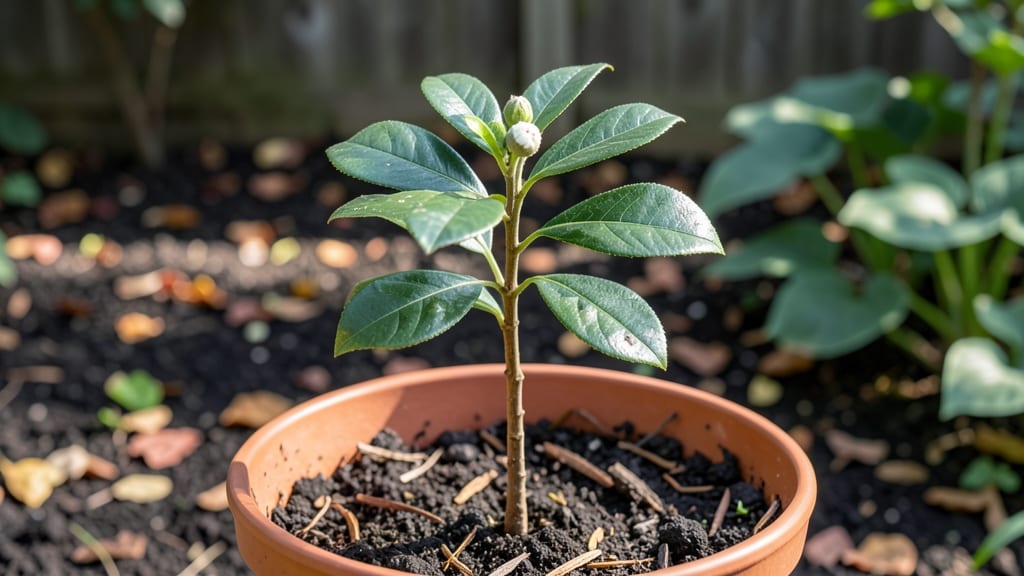
Growing a loquat tree from seedling gives you a head start on sweet, fragrant fruit in just a few years—but only if you crack the germination code. 🌱 I've nursed dozens of these seedlings through their finicky early stages, and the secret isn't complicated: it's all about warmth, moisture, and patience.
Most people give up after two weeks, but with the right approach, you'll see those first true leaves break through the soil within 3-4 weeks of planting.
The soil mix matters more than you'd think. Too much sand and the roots dry out; too much clay and they suffocate. I blend equal parts potting soil, perlite, and coconut coir for perfect drainage and moisture retention.
Keep the seedling in a warm spot (around 70°F) with bright, indirect light—no harsh midday sun yet. Water gently from below to avoid washing out the tiny roots, and you'll avoid the most common early mistake: drowning your seedling before it even gets started.
By month three, your loquat seedling will be sturdy enough to transplant into a larger pot or the ground. The real magic happens when you see those first elongated leaves—signs of strong, healthy growth.
With consistent care, your tree will reach 10-15 feet in just a few years, and those first loquats will be worth every bit of patience. The key is staying consistent through those early weeks when growth seems slow.
Works best in USDA zones 7-10, but with proper winter protection (like wrapping the trunk), you can grow them as far north as zone 6. The biggest challenge?
Avoiding transplant shock when moving seedlings outdoors—harden them off gradually over 10-14 days before their permanent home. Here's how to keep them thriving through every season.
📚 In This Guide
- What you need
- Instructions
- Tips and common mistakes
- Wrapping up and next steps
What you need
- ● Loquat seeds: 10–20 fresh, plump seeds (harvested from ripe loquat fruit). Pro tip: 💡 Store seeds in a cool, dry place until ready to plant.
- ● Seed-starting mix: 1–2 gallons of sterile, well-draining potting soil (or a 50/50 blend of peat moss and perlite).
- ● Planting containers: Small pots (3–4 inches deep) for individual seedlings, or
- ● A seed tray with individual cells (for easier transplanting).
- ● Spray bottle: For gentle watering (avoids disturbing seeds).
- ● Plastic wrap or humidity dome: To retain moisture during germination.
- ● Grow lights or sunny windowsill: A warm, bright spot (70–80°F) is ideal.
- ● Seed scarification tool: Sandpaper or a knife to nick seeds (speeds up germination).
- ● Heating mat: Keeps soil warm (80–85°F) for faster sprouting.
- ● Fertilizer (mild): A balanced 10-10-10 or seaweed-based fertilizer for post-germination growth.
- ● Humidity tray: A shallow tray with pebbles and water to boost moisture levels.
- ● Garden journal: To track seed progress and conditions!
Step-by-step instructions for germinating loquat tree seedlings
Here's how I've refined my method to beat the odds and get reliable germination.
🌱 Step 1: Prepare the Seeds for Maximum Germination Potential
Loquat seeds need a little prep work before planting. First, remove the seeds from the fruit and clean off any remaining flesh—just a quick rinse under cool water works. The key trick is to soak them for 24 hours in lukewarm water to soften the tough outer shell. I use a small jar or bowl and change the water halfway through to prevent mold.
After soaking, place the seeds between two damp paper towels and fold them into a loose packet. Store this in a sealed plastic bag in a warm spot—75-80°F works best. Check daily and mist with water if the towels dry out. You'll see the first signs of germination in 7-14 days when tiny white roots appear.
🪴 Step 2: Choose Containers and Soil for Healthy Seedling Growth
For four seedlings, you'll need four small pots—3-4 inches deep—with drainage holes. I use biodegradable peat pots because they eliminate transplant shock later. Fill each pot with a well-draining seed-starting mix (never garden soil—it's too dense). Tap the pot gently to settle the soil, but don't pack it down too firmly.
Moisten the soil until it's damp but not soggy—you should be able to squeeze a handful and see a few droplets form without it dripping. The goal is a consistently moist environment without waterlogging, which causes rot. Keep the pots in a tray lined with pebbles to catch any excess water that drains through.
💧 Step 3: Plant the Germinated Seeds at the Right Depth
Once your seeds have sprouted white roots, it's time to plant. Make a small hole—about ½ inch deep—in the center of each pot. Gently place the seed with the root pointing downward, then cover it lightly with soil. Press down very gently to ensure good contact with the soil, but don't compact it.
Water lightly with a spray bottle until the soil surface looks evenly moist. Place the pots in a warm, shaded area—direct sunlight can scorch the delicate seedlings. Keep the soil consistently moist but never waterlogged. You'll see the first true leaves emerge in 2-3 weeks, signaling successful germination.
☀️ Step 4: Provide Controlled Light and Gradual Sun Exposure
After the first true leaves appear, move the seedlings to bright, indirect light for a week to harden them off. I use a grow light on a timer for 12-14 hours a day, keeping it 4-6 inches above the seedlings. This prevents them from stretching toward the light too quickly, which weakens the stems.
Once the seedlings have 3-4 sets of leaves, you can introduce them to morning sun only for 1-2 hours daily. Gradually increase their sun exposure over 10-14 days until they're getting full sun for the entire day. Watch for signs of stress—wilting or yellowing leaves mean they're getting too much sun too soon.
⏰ Step 5: Monitor Growth and Prepare for Transplanting
Loquat seedlings grow slowly at first, but once they're 4-6 inches tall with a sturdy stem, they're ready for their first transplant. Choose a slightly larger pot—6-8 inches deep—and use the same well-draining soil mix. Water the seedlings thoroughly the day before transplanting to reduce shock.
Dig a hole in the new pot just deep enough to accommodate the root ball, then place the seedling in and fill the gap with soil. Press gently around the base to secure it, then water again to settle everything. Keep the transplanted seedlings in partial shade for a week while they adjust. You'll know they're thriving when new leaves appear within 2-3 weeks.
Tips & tricks for perfect loquat tree seedlings
These game-changing tricks will help you push your germination success rate past 90%—no more losing seeds to stubborn dormancy or weak seedlings.
Soaking Strategy: The 24-hour soak in lukewarm water is non-negotiable, but here's the secret: use filtered water instead of tap water. Chlorine and fluoride can inhibit germination. If you don't have filtered water, let tap water sit uncovered for 24 hours before using it to let chlorine dissipate. I also add a drop of liquid seaweed fertilizer to the soaking water—it gives the seeds a tiny nutrient boost that makes a surprising difference in early root development.
Temperature Matters: While 75-80°F is ideal for the germination process, don't panic if your home runs cooler. Place the sealed bag with damp paper towels on top of your refrigerator (not inside) for consistent warmth. If you're in a very warm climate, move the bag to a cooler spot—above 85°F can cause the seeds to rot before they sprout. A simple thermometer placed near the bag will help you monitor conditions without guesswork.
Lighting Hack: For Step 4's controlled light exposure, I've found that a simple LED desk lamp on a timer works just as well as expensive grow lights. Position it about 6 inches above the seedlings and use it for 12-14 hours daily. The key is consistency—don't let the light flicker or dim, as this confuses the seedlings. If you notice them leaning dramatically toward the light, rotate the pots daily so they grow straight rather than lopsided.
Transplanting Wisdom: When you're ready for the first transplant at 4-6 inches tall, here's a pro move: mix a small amount of perlite into your well-draining soil. This creates tiny air pockets that prevent the roots from becoming waterlogged during the adjustment period. After transplanting, place the pots in a shallow tray of water for 10 minutes to help them absorb moisture through their roots—this mimics natural rainfall and reduces transplant shock significantly.
Pro Tips for Loquat Tree Seedling
- These game-changing tricks will help you push your germination success rate past 90%—no more losing seeds to stubborn dormancy or weak seedlings.
- Soaking Strategy: The 24-hour soak in lukewarm water is non-negotiable, but here's the secret: use filtered water instead of tap water.
- Temperature Matters: While 75-80°F is ideal for the germination process, don't panic if your home runs cooler.
Frequently asked questions
How long does it take for loquat tree seedlings to germinate?
Germination typically takes 2–4 weeks in warm conditions (70–80°F). If your soil stays consistently moist and warm, you may see sprouts sooner! If germination takes longer than a month, check moisture levels or consider using a heat mat to speed things up. Patience is key—some seeds may take up to 6 weeks.
What’s the best temperature for germinating loquat seeds?
Loquat seeds thrive in warmth (70–85°F). Use a seedling heat mat if your home is cooler, or place the tray near a sunny window. Avoid extreme cold (<50°F), which can slow or stop germination. A small greenhouse or plastic wrap tent can help maintain ideal humidity and temperature.
Why aren’t my loquat seeds sprouting?
Common issues include dry soil, cold temps, or old seeds. Double-check moisture (soil should stay damp but not soggy) and warmth. If seeds are over a year old, germination rates drop—try fresh seeds. For stubborn seeds, lightly nick the shell with sandpaper to break dormancy before replanting.
Can I grow a loquat tree from a grocery store fruit?
Yes! Save seeds from ripe loquats, clean them, and dry for 2–3 days before planting. However, store-bought seeds may not produce true-to-type fruit—expect surprises in flavor or size. For consistent results, source seeds from a local nursery or fellow gardener with a known loquat variety.
How do I transplant seedlings without killing them?
Wait until seedlings have 2–3 true leaves and are sturdy. Use a small pot with well-draining soil, and water gently before and after transplanting. Avoid disturbing roots—dig a hole slightly larger than the root ball and firm soil around it. Keep seedlings in partial shade for a week to reduce stress.
Wrapping up and next steps
Growing loquat tree seedlings with a 90% success rate is totally within your reach—just follow the right tricks! From selecting the perfect seeds to mastering germination conditions, every step plays a role in nurturing a thriving sapling.
With patience and care, you’ll soon be enjoying the sweet rewards of your hard work.
Ready to take the next step? Start planting those seeds today and watch your little loquat tree grow into a lush, fruit-bearing beauty! 🌱✨