
Pruning
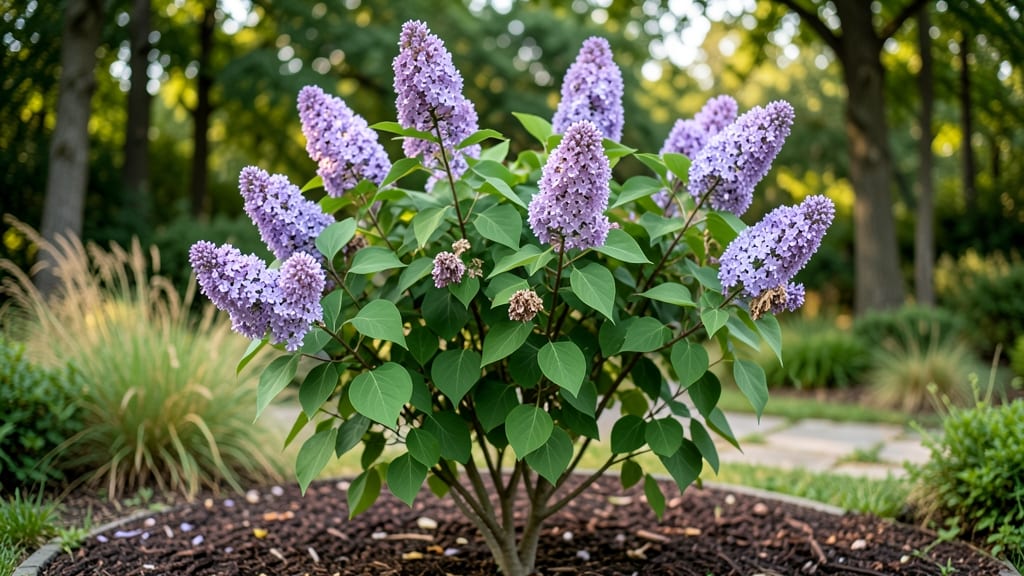
Ohio’s lilac trees burst with fragrance every spring, but pruning them wrong can ruin the show. 🌸 I’ve been growing these hardy beauties for years, and I’ll share the exact timing and cuts that keep your lilacs blooming like crazy—without sacrificing next year’s flowers.
The secret isn’t just when you prune, but how. Ohio’s climate demands a two-step approach: first, clean up last year’s blooms in early summer, then shape the tree in late winter.
Varieties like ‘Katherine Havemeyer’ (with its deep purple blooms) and ‘Miss Kim’ (compact and cold-hardy) respond best to this method. By following these steps, you’ll end up with denser growth, more fragrant blooms, and a tree that stays healthy through Ohio’s hot summers and icy winters.
The best part? You’ll never have to worry about over-pruning again. This works for any lilac in Ohio—whether it’s a mature specimen or a new sapling. Let’s get those shears ready!
📚 In This Guide
- What you need
- Instructions
- Tips and common mistakes
- Wrapping up and next steps
What you need
- ● Pruning shears: Bypass pruners (sharp, 6-8" blades) for small branches (1/4"–3/4" thick). Anvil pruners are a budget-friendly backup.
- ● Loppers: Bypass loppers (18-24" handles) for branches 3/4"–2" thick. Look for ratchet-assisted models for easier cutting.
- ● Pruning saw: Curved-tooth handsaw (10-12" blade) for stubborn branches 2"+ thick. Never use a chainsaw!
- ● Gloves: Heavy-duty leather or cut-resistant gloves (size medium/large) to protect from thorns and sap.
- ● Disinfectant: 70% isopropyl alcohol or bleach solution (1:9 bleach:water) to sterilize tools between cuts (prevents disease spread).
- ○ Pruning sealant: Optional but helpful for large cuts (>2" diameter)—use a tree wound paint (like Tanglefoot Tree Wound Pruning Seal).
- ● Timing: Prune right after flowering (late May–early June in Ohio) or dormant season (late winter)—never in fall!
- ● Weather: Choose a dry, overcast day (humidity slows healing). Avoid pruning if rain is forecasted within 24 hours.
- ● Safety gear: Safety glasses (to shield from flying debris) and long sleeves/pants (lilac sap can irritate skin).
- ● Cleanup supplies: Heavy-duty trash bags (20-gallon) and yard waste bin for debris.
- ○ Ladder (optional): Extension ladder (16–24') if your lilac exceeds 10 feet—never stand on a chair!
- ● ✨ Sharpen your tools! Dull blades tear wood, inviting disease. Hone blades with a file or sharpening stone before starting.
- ● 🌡️ Know your variety: Ohio’s common lilac (Syringa vulgaris) and dwarf lilacs (e.g., ‘Little Johnny’) have different pruning needs—check your tree’s tags!
- ● 🎯 Mark your cuts: Use twine or flagging tape to tag branches for removal before climbing the ladder.
Step-by-step pruning guide for Ohio lilac trees
Ohio’s hardy lilacs thrive with the right pruning—here’s how to keep yours blooming beautifully year after year.
✂️ Step 1: Prune Immediately After Flowering
Timing is everything with lilacs. Prune right after blooms fade—usually late May or early June in Ohio. This ensures next year’s flower buds form properly on last year’s growth. If you prune too early, you risk cutting off next season’s blossoms.
I grab my bypass pruners and start by removing any dead, crossing, or crowded branches. These suck up energy from the plant. Look for branches that rub against each other—they’ll eventually tear and create entry points for disease. Cut them back to the main trunk or a healthy side branch.
✂️ Step 2: Thin Out Overcrowded Growth
Lilacs naturally grow in clusters, and over time, they can become too dense. Thin out one-third of the oldest stems at the base to encourage new growth. This keeps air circulating and prevents fungal issues common in Ohio’s humid summers.
I always start with the thickest stems first. These are the oldest and often produce fewer flowers. Use sharp pruners to make clean cuts just above a healthy bud or branch junction. Avoid leaving stubs—this invites rot and weakens the plant. If a branch is too thick for your pruners, use a handsaw.
✂️ Step 3: Shape for Balance and Airflow
Step back and assess your lilac’s shape. Ohio’s variable weather can cause uneven growth, so I focus on creating a balanced canopy. Remove any branches growing inward or rubbing against others. Aim for an open center that lets sunlight reach all parts of the plant.
For large lilacs, I prune in stages—first the deadwood, then thinning, and finally shaping. Never remove more than one-third of the plant’s foliage at once. If you do, it’ll stress the tree and reduce next year’s blooms. After pruning, I clean up all fallen debris to prevent pests from taking up residence.
⏰ Step 4: Light Pruning in Late Summer
In late August, give your lilac a quick check. Remove any suckers or water sprouts that pop up at the base. These steal energy from the main plant. If you notice any branches with signs of disease (like black spots or powdery mildew), prune those out immediately and dispose of them in the trash—not the compost.
This light maintenance keeps your lilac healthy without overstressing it. I also take this time to check for any new growth that might need guidance. If a branch is growing in an awkward direction, I can gently train it while it’s still flexible. Just avoid heavy pruning now—you don’t want to disrupt the flower buds forming for next spring.
✂️ Step 5: Winter Preparation (If Needed)
Ohio’s winters can be harsh, but lilacs are tough. Still, if you notice any weak or damaged branches after winter, prune them out in early spring before new growth starts. Focus on removing anything broken by ice or heavy snow. This keeps the plant’s energy focused on healthy growth.
I always sharpen my pruners before winter prep—dull blades tear wood, making it more susceptible to disease. After pruning, I apply a fresh layer of mulch around the base (but not touching the trunk) to protect roots from freezing. This small step makes a big difference in Ohio’s unpredictable climate.
Tips & tricks for perfect lilac pruning in Ohio
Ohio’s lilacs need careful attention to keep them flourishing—here’s how to avoid common mistakes and get the best results every year.
Timing is Critical: The post-bloom window (late May to early June) is your only shot at shaping next year’s flowers. I’ve seen too many gardeners prune too early and end up with sparse blooms. If you miss this timing, wait until after the buds form in late summer—but never prune in fall or winter, as this risks damaging the plant’s dormancy.
Tool Selection Matters: Bypass pruners are your best friend for clean cuts that heal properly. I’ve made the mistake of using regular pruners, which crush branches and create wounds that invite disease. For thicker branches (over ½ inch), grab a handsaw—never use shears, as they’ll tear rather than cut cleanly. Always sterilize your tools with rubbing alcohol between cuts to prevent spreading any hidden pathogens.
Shape with Purpose: When you’re shaping in Step 3, think of your lilac like a sculpture—remove branches that grow inward or cross each other to create an open center. This isn’t just about looks; it’s about airflow. Ohio’s humid summers create the perfect conditions for fungal diseases like powdery mildew, and good airflow is your first line of defense. I like to step back every few cuts to check the overall shape—it’s easy to get tunnel vision!
Late Summer Checkup: That light pruning in late August isn’t just about tidying up—it’s about preventing future problems. Suckers and water sprouts might seem harmless, but they drain energy from your main plant. I’ve seen lilacs go from vibrant to struggling in just one season because of unchecked suckers. If you spot any disease signs (like black spots or odd growths), remove those branches immediately and dispose of them in the trash—not your compost bin.
Pro Tips for Lilac Tree Ohio
- Ohio’s lilacs need careful attention to keep them flourishing—here’s how to avoid common mistakes and get the best results every year.
- Timing is Critical: The post-bloom window (late May to early June) is your only shot at shaping next year’s flowers.
- Tool Selection Matters: Bypass pruners are your best friend for clean cuts that heal properly.
Frequently asked questions
Got questions about growing and pruning lilac trees in Ohio? You’re not alone! Here are answers to the most common queries from gardeners across the Buckeye State.
When is the best time to prune lilacs in Ohio?
The ideal time to prune lilacs in Ohio is right after they finish blooming—typically late May to early June. This timing ensures you don’t cut off next year’s flower buds, which form on old wood. Avoid pruning in fall or winter, as cold stress can harm the tree.
How much can I trim my lilac tree without harming it?
For established lilacs, you can safely remove up to one-third of the oldest stems at the base. Avoid "topping" (cutting back the top) or shearing, as this encourages weak growth. Focus on thinning out crowded branches and shaping the tree naturally for airflow and sunlight.
Why aren’t my lilacs blooming after pruning?
Lilacs bloom on old wood, so if you prune too late (after mid-summer) or cut into last year’s flower buds, you may see fewer blooms. Also, check for over-fertilizing with nitrogen, which promotes leafy growth over flowers. A balanced 10-10-10 fertilizer in early spring can help.
Are Ohio lilacs susceptible to pests or diseases?
Yes! Common issues include borers, powdery mildew, and lilac leaf disease. To prevent problems, prune for airflow, water at the base (not leaves), and remove fallen debris. If you spot holes in stems or white powder on leaves, treat with neem oil or fungicide as needed.
What’s the best lilac variety for Ohio’s climate?
Ohio’s hardy varieties include ‘Katherine Havemeyer,’ ‘Dwarf Korean,’ and ‘Miss Kim’ (compact and fragrant). For large blooms, try ‘Purple Robe’ or ‘Sensation’. All thrive in USDA Zones 3–7, but avoid ‘French Hybrid’ lilacs—they’re less cold-tolerant and prone to disease.
Pro Tip:
Label your lilac branches with a permanent marker if you’re pruning for rejuvenation. This helps track which stems to remove over 2–3 years to avoid over-pruning in one season!
Wrapping up and next steps
Ohio’s lilac trees bring beauty and fragrance to gardens, and with the right pruning techniques, you can keep them thriving for years! 🌸 Whether you’re trimming for shape, health, or blooms, remember that timing, tools, and technique are key.
Now that you’re armed with expert tips, there’s no better moment to roll up your sleeves and give your lilacs the care they deserve.
Ready to take action? Mark your calendar for late winter or early spring—your lilacs will thank you with lush foliage and stunning blooms! For extra inspiration, snap a photo of your pruned lilac and share it with fellow gardeners. Happy pruning! ✂️🌿