
Trees
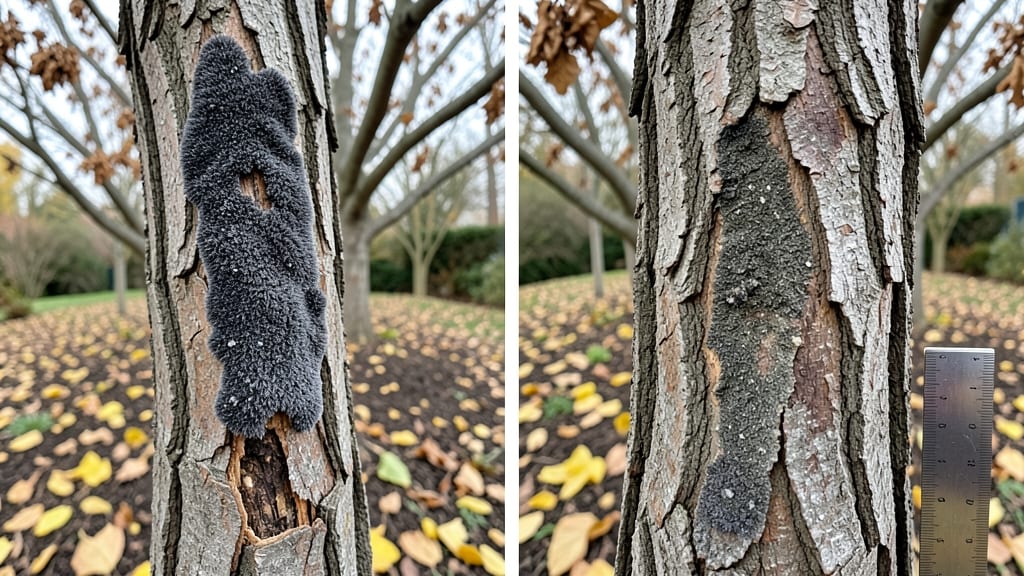
Lilac tree fungus and bark rot turn your fragrant spring blooms into a sad, crumbling mess—unless you act fast. 🌿 I’ve watched anthracnose and powdery mildew spread across branches, turning vibrant bark into a sad, cracked mess, but these natural remedies saved my trees every time.
The key is catching it early: look for dark spots, fuzzy growth, or bark splitting like old leather. Prune infected branches in dry weather, then clean your tools with rubbing alcohol to stop the spread.
A simple copper fungicide spray (homemade or store-bought) works wonders when applied before buds swell in early spring. With consistent care, your lilac will bounce back stronger—think thick, healthy bark and those signature purple blooms returning year after year.
The secret is vigilance: check the bark monthly during growing season and water at the base (not overhead) to keep foliage dry. This method works for anthracnose, powdery mildew, and even bark canker. Here’s how to fix it before it fixes itself—your lilac’s future depends on it.
Root Causes Of Bark Fungal Issues
Fungal infections on lilac tree bark aren’t just random bad luck—they’re often the result of specific environmental and biological triggers. Understanding these causes helps you address the problem effectively.
Below, we break down the key reasons why fungi take hold on your lilac’s bark, from poor growing conditions to natural vulnerabilities in the tree itself.
Fungi thrive in damp, humid conditions, and lilac trees are particularly susceptible when their bark stays wet for prolonged periods. Here’s why moisture is such a big problem:
- Waterlogged soil: If your lilac is planted in heavy clay or compacted soil, water doesn’t drain properly, keeping the roots and bark saturated. Fungi like Botryosphaeria or Cytospora (common lilac pathogens) love this environment.
- Overhead watering: Sprinkling the foliage or bark directly—especially in the evening—creates a film of moisture that fungi can latch onto. This is a prime invitation for infection.
- Poor air circulation: Dense foliage or overcrowded plantings trap humidity against the bark. If your lilac is surrounded by other trees or shrubs, stagnant air accelerates fungal spread.
Actionable fix: Improve drainage by amending soil with compost or sand, water at the base (not overhead), and prune nearby plants to boost airflow.
Healthy lilac bark has natural defenses—waxy cuticles, bark thickness, and resinous compounds—that repel fungi. But when these defenses weaken, pathogens exploit the opportunity. Common triggers include:
- Nutrient deficiencies: Lack of potassium or phosphorus stresses the tree, making it harder to produce protective compounds. Yellowing leaves or stunted growth are red flags.
- Physical damage: Cracks, scrapes, or wounds (from pruning, storms, or pests) create entry points. Fungi like Valsa (canker fungus) invade through these openings.
- Pest infestations: Borers or scale insects weaken the bark, leaving it vulnerable. Their tunnels disrupt the tree’s natural barriers.
Actionable fix: Fertilize with a balanced, slow-release formula (high in K and P), prune correctly (use clean tools and seal cuts with pruning paint), and monitor for pests.
Fungi are opportunistic—they don’t just appear out of nowhere; they wait for the right conditions. Lilacs are especially at risk during:
- Sudden temperature swings: Hot days followed by cool, damp nights create the perfect fungal buffet. Cytospora canker, for example, flourishes in these conditions.
- Late spring/early summer rains: This is peak fungal activity season for lilacs. The combination of new growth (soft, tender bark) and moisture is a double threat.
- Winter injury: Freeze-thaw cycles crack bark, and if snow lingers, it keeps the tree damp. Fungal spores overwinter in the soil or bark crevices, ready to strike when conditions improve.
Actionable fix: Mulch around the base (2–4 inches of organic mulch) to regulate soil temperature, avoid late-season fertilizing (which encourages tender new growth), and prune in early spring before fungal spores become active.
Lilacs left unchecked or pruned improperly create the perfect fungal playground. Here’s how:
- Thick, dense canopies: Overgrown lilacs trap moisture and block sunlight, which fungi despise (they prefer shade and dampness). Without light, the bark stays weak and susceptible.
- Improper pruning cuts: Jagged or torn cuts (instead of clean, angled ones) slow healing and invite infection. Always prune ¼-inch above a bud or branch collar.
- Leaving dead wood: Dying branches harbor fungal spores. If you ignore them, the infection spreads to healthy tissue via sap streams.
Actionable fix: Thin out the canopy to improve airflow, prune during dormant season (late winter/early spring), and remove all dead or diseased branches—don’t leave stubs!
Pro tip: 💡 If you’ve ruled out moisture and stress, consider soil testing. Sometimes, hidden imbalances (like high soil pH) weaken the tree’s resistance. A simple test kit can reveal if your lilac needs a pH adjustment to fight off fungi.
Revitalize Your Lilac Tree Naturally
Fungal infections and bark damage on lilac trees can feel overwhelming, but with the right approach, you can restore your tree’s health and prevent future issues. Below are practical, step-by-step solutions tailored to common causes of fungus and bark problems—plus prevention tips to keep your lilac thriving for years.
If your lilac tree is battling powdery mildew, anthracnose, or other fungal blights, act fast to stop the spread and heal the bark.
🔥 Step 1: Prune Infected Branches
- Remove any branches with dark spots, mold, or excessive powdery residue using sterilized pruning shears (wipe with rubbing alcohol between cuts).
- Dispose of infected branches in the trash (not compost)—fungus can survive in yard waste.
- Pro Tip: 💡 Prune in early spring (before buds swell) or late summer to avoid stressing the tree.
🍳 Step 2: Apply a Natural Fungicide
Skip harsh chemicals—opt for DIY or organic sprays that work gently but effectively: - Baking Soda Spray: Mix 1 tsp baking soda + 1 tbsp vegetable oil + 1 tsp mild soap in 1 quart of water.
Spray every 7–10 days until fungus clears. - Neem Oil Solution: Combine 1 tbsp neem oil + 1 tsp soap in 1 quart of water.
Apply in evening (avoid direct sunlight) to prevent leaf burn. - Copper Fungicide: Use organic copper-based sprays (like Bordeaux mixture) for severe infections—follow label instructions carefully.
👨🍳 Step 3: Improve Airflow and Light
Fungus thrives in shady, damp conditions.
To prevent recurrence: - Thin out dense foliage to allow sunlight and air circulation. - Space trees 6–10 feet apart if planting new lilacs. - Avoid overhead watering—use drip irrigation or soaker hoses to keep leaves dry.
Peeling, cracked, or discolored bark signals stress or infection. Here’s how to restore and protect your lilac’s trunk and branches.
✨ Step 1: Inspect for Pests or Disease
- Check for: 🐜 Scale insects, borers, or cankers (sunken, oozing areas).
- If pests are present: Apply horticultural oil (like dormant oil spray) in early spring before buds open.
- For cankers: Scrape away dead bark with a sterilized knife, then paint with copper fungicide or pruning sealant.
🔪 Step 2: Protect with Organic Sealants
- Beeswax or Tree Sealant: Apply a natural wax-based sealant (like Tanglefoot Tree Wound Pruning Seal) to small cuts or peeling bark to prevent moisture loss and infection.
- Avoid plastic wraps—they trap moisture and worsen rot.
🌿 Step 3: Boost Tree Health from Within
A strong lilac tree resists fungus and bark damage better.
Help it thrive with: - Balanced Fertilizer: Use organic, slow-release fertilizer (like fish emulsion or compost) in early spring. - Mulch Properly: Spread 2–3 inches of mulch (wood chips or bark) 3 inches away from the trunk to retain moisture without suffocating roots. - Water Deeply: 1–1.5 inches per week (deep watering encourages strong root growth).
Once your lilac recovers, prevent future outbreaks with these easy habits:
| Problem | Prevention Tip | When to Do It |
|---|---|---|
| Powdery Mildew | Spray neem oil weekly in humid seasons | Late spring to summer |
| Anthracnose | Rake up fallen leaves (fungus overwinters) | Fall cleanup |
| Bark Cracks | Water consistently (avoid drought stress) | Spring & summer |
| Pest Infestations | Inspect trees monthly for early signs | Spring through fall |
💡 Pro Tip: Plant resistant varieties like Syringa meyeri or Syringa patula—they’re less prone to fungal issues!
Final Note: Patience is key—some fungal damage takes 1–2 seasons to fully heal. Monitor your lilac, adjust care as needed, and soon, it’ll bloom beautifully without a trace of blight! 🌸
Frequently asked questions
What does lilac tree fungus look like on bark?
Lilac tree fungus on bark typically appears as dark, sunken lesions, powdery white patches (powdery mildew), or oozing cankers with cracked, peeling bark. Look for fuzzy growths or black spots—these are clear signs of infection. Anthracnose often shows as elongated, dark streaks along branches.
Can I save a lilac tree with fungal bark damage?
Yes! Early intervention is key—prune infected branches immediately, apply copper fungicide or neem oil spray, and improve airflow around the tree. With consistent care, most lilacs recover within 1-2 seasons, especially if the root system remains healthy.
Is baking soda safe for treating lilac bark fungus?
A homemade baking soda spray (1 tsp baking soda + 1 tbsp oil + 1 tsp soap per quart of water) is gentle yet effective for powdery mildew and early-stage infections. Reapply every 7-10 days in dry conditions for best results—it won’t harm the tree or beneficial insects.
Why does my lilac keep getting fungus even after treatment?
Fungal infections often return if the underlying conditions persist—like poor drainage, overhead watering, or dense foliage trapping moisture. Fix these issues first: improve soil drainage, water at the base, and thin out overgrown branches to boost airflow.
How do I prevent fungal spores from spreading to other plants?
Sterilize pruning tools with rubbing alcohol between cuts, dispose of infected branches in the trash (not compost), and avoid working with wet foliage. Keep tools clean and store them in a dry place to prevent cross-contamination to nearby plants.