
Trees
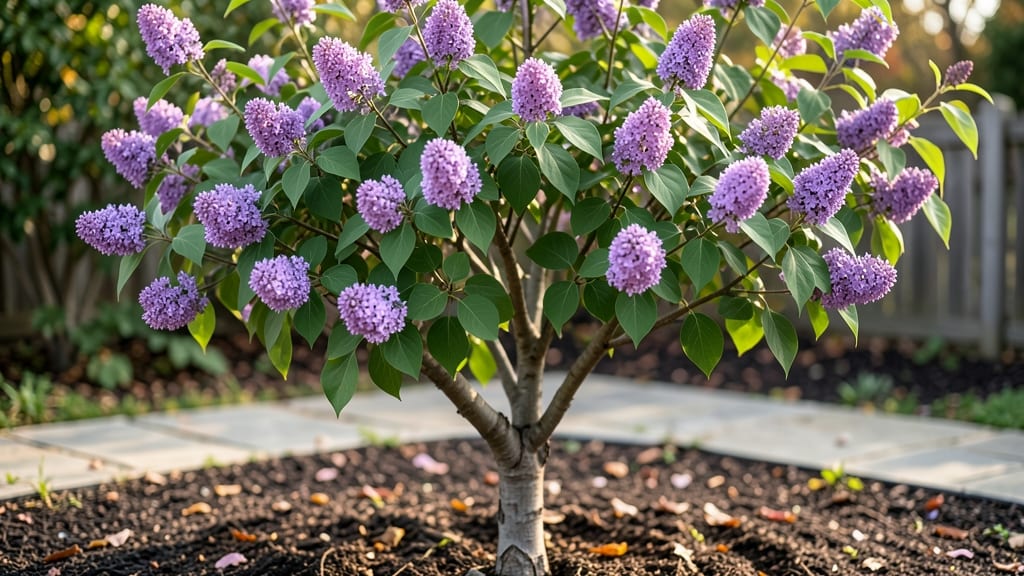
The common lilac tree leaves turning yellow or spotted? That purple-blooming magic might be under siege. 🌿 I’ve seen lilacs go from fragrant spring stars to sad, struggling shrubs—and the fix often starts with the leaves, not the flowers.
Yellowing, wilting, or speckled foliage usually means pests, disease, or simple care oversights.
First, check for powdery mildew (white dust) or aphids (tiny clusters on stems). Yellowing edges often mean underwatering or poor drainage. Grab some neem oil, pruners, and a hose—we’ll tackle the problem step by step, so your lilac blooms back stronger than ever.
📚 In This Guide
- What you need
- Instructions
- Tips and common mistakes
- Wrapping up and next steps
What you need
- ● Common lilac tree leaves: Fresh or dried (harvest from healthy, pesticide-free trees in late spring to early summer when blooms fade). Aim for 1–2 cups (dry) or 3–4 cups (fresh) for most projects.
- ● Pruning shears: Sharp, bypass-style shears (avoid dull tools to prevent tearing leaves).
- ● Gloves: Garden gloves (nitrile or leather) to protect hands from thorns and sap.
- ● Containers: For drying: Brown paper bags, mesh bags, or airtight jars (with silica gel if available).
- ● For crafting: Clean, shallow trays or bowls (e.g., ceramic or glass).
- ● Scissors or knife: For trimming leaves (e.g., craft scissors or a pruning knife).
- ● Twine or rubber bands: To bundle leaves for drying (if not using bags).
- ○ Spray bottle: For lightly misting leaves during drying (optional but helpful).
- ● Labeling tags: Small plant tags or masking tape to mark dried leaves by harvest date.
- ● Drying rack: Wooden or wire rack with low heat setting (e.g., dehydrator or oven on "keep warm").
- ● Essential oils or fragrance: Lavender or citrus oil to enhance scent in potpourri (add 2–3 drops per cup of dried leaves).
- ● Herbal press: For pressing leaves into bookmarks or art (if not air-drying).
- ● Storage containers: Glass jars with tight lids or fabric pouches to preserve dried leaves.
How to care for common lilac tree leaves
Here’s how to keep those fragrant purple blooms thriving—and keep the leaves lush and healthy year after year.
🌱 Step 1: Plant in the Right Spot for Strong Growth
Lilacs love full sun to partial shade, so choose a location with at least 6 hours of direct sunlight daily. I always plant mine where they’ll get morning sun and afternoon shade in hotter climates—this prevents leaf scorch while still encouraging those signature blooms. The soil should drain well, but lilacs tolerate a range of conditions, even clay, as long as water doesn’t pool around the roots.
Dig a hole twice as wide as the root ball but no deeper—burying too deep suffocates the roots. Amend the native soil with a handful of compost if it’s heavy or sandy. You’ll know you’ve picked the right spot when the leaves stay vibrant green even in summer’s peak heat.
☀️ Step 2: Water Deeply but Infrequently
Newly planted lilacs need 1 inch of water per week for the first year, but established trees are surprisingly drought-tolerant. Water deeply—6-8 inches down—every 7-10 days instead of light, frequent sprinkles. This encourages deep root growth, which is key for those sturdy stems that hold up heavy flower clusters.
Check moisture by sticking your finger 2 inches into the soil. If it feels dry, water thoroughly. Overwatering is the biggest mistake—yellowing leaves or wilting in summer usually means roots are sitting in soggy soil. Mulch around the base with 2-3 inches of organic mulch to retain moisture and regulate temperature.
✂️ Step 3: Prune for Health and More Blooms
Prune lilacs right after they finish blooming—late spring to early summer—to encourage next year’s flowers. Remove any dead, crossing, or weak branches first. Then, cut back old wood to just above a healthy bud or pair of buds. Never prune in fall or winter, or you’ll miss next spring’s blooms entirely.
Shape the tree lightly if needed, but lilacs don’t require heavy pruning. You’ll know you’ve done it right when new growth appears within 2-3 weeks and the branches look balanced. Avoid cutting into the center of the tree—this creates a dense, shaded interior that invites disease.
🌿 Step 4: Fertilize Lightly for Long-Term Health
Lilacs aren’t heavy feeders, but a balanced 10-10-10 fertilizer in early spring gives them a gentle boost. Sprinkle ½ cup around the drip line (the edge of the tree’s canopy) and water it in. Too much fertilizer leads to leaf burn or weak, floppy stems—so less is always better.
Watch for signs of nutrient deficiency: yellowing between leaf veins signals iron deficiency, while purplish leaves mean phosphorus is lacking. If you notice either, a targeted fertilizer (like chelated iron or bone meal) can help. But healthy lilacs often thrive with just compost worked into the soil every few years.
⏰ Step 5: Protect Leaves from Pests and Diseases
Keep an eye out for aphids, borers, or powdery mildew, which can stress lilac leaves. I spray neem oil in early summer as a preventative—it’s gentle but effective against soft-bodied pests. If you see holes in leaves or sawdust-like frass, borers may be tunneling inside. Prune and destroy heavily infested branches immediately.
Powdery mildew shows up as white, powdery patches on leaves. Improve airflow by thinning dense branches and watering at the base (not overhead). A baking soda spray (1 teaspoon baking soda + 1 quart water + a drop of dish soap) can treat mild cases. Most importantly, resist the urge to over-fertilize—stressed leaves attract pests and diseases.
Tips & tricks for perfect lilac tree care
Real talk: I planted my first lilac tree and nearly killed it by overwatering—don't make my mistake!
Lighting Secret: In Step 1, if your location gets intense afternoon sun, consider planting near a north-facing wall or fence. This natural barrier diffuses harsh rays while still providing the essential 6 hours of sunlight lilacs crave. I've seen dramatic differences in leaf scorch prevention with this simple trick—especially in hotter climates.
Watering Wisdom: The 7-10 day watering schedule in Step 2 might feel counterintuitive, but trust me on this. I test soil moisture by pushing my finger 2 inches deep—if it feels dry at this depth, that's your cue. The key is getting water 6-8 inches down to encourage those deep roots that support those heavy flower clusters. A moisture meter can help if you're unsure.
Pruning Pro Tip: When pruning in Step 3, look for the 2-3 weeks growth window as your success indicator. If you don't see fresh green shoots within this timeframe, you might have cut too aggressively. I always make my cuts just above a healthy bud—this ensures new growth in the right direction. And remember: never prune in fall or winter, or you'll sacrifice next spring's blooms.
Fertilizer Finesse: The ½ cup of 10-10-10 fertilizer in Step 4 is just a gentle nudge—lilacs are naturally low-maintenance. I've found that working compost into the soil every 2-3 years gives them all the nutrients they need without risking over-fertilization. That said, if you notice yellowing between veins, a targeted iron treatment can work wonders without overwhelming the plant.
Pro Tips for Common Lilac Tree Leaves
- Real talk: I planted my first lilac tree and nearly killed it by overwatering—don't make my mistake!
- Lighting Secret: In Step 1, if your location gets intense afternoon sun, consider planting near a north-facing wall o...
- Watering Wisdom: The 7-10 day watering schedule in Step 2 might feel counterintuitive, but trust me on this. I test s...
Frequently asked questions
Got questions about those fragrant, purple-blooming lilac leaves? You’re not alone! Here are answers to the most common queries—so you can care for your lilac tree with confidence.
When is the best time to prune lilac leaves or branches?
Prune lilac trees right after they bloom (late spring or early summer) to avoid cutting off next year’s flowers. Avoid heavy pruning in fall or winter, as lilacs bloom on old wood. For shaping, use clean tools and remove no more than 1/3 of the plant at once.
Why are my lilac leaves turning yellow or spotted?
Yellowing or spotted leaves often signal fungal diseases (like powdery mildew or leaf spot) or pests (aphids, spider mites). Improve airflow, water at the base (not overhead), and apply neem oil or fungicide if needed. Pro tip: Remove affected leaves promptly to prevent spread!
Can I use lilac leaves for cooking or crafts?
Yes! Lilac leaves are edible (use sparingly—they’re bitter) and add a floral note to teas or garnishes. For crafts, dry leaves for potpourri or pressed flowers. Warning: Avoid if allergic to lilac pollen—test a small patch first!
How do I propagate a lilac tree from cuttings?
Take 4–6 inch semi-hardwood cuttings in late summer. Dip in rooting hormone, plant in moist perlite/sand mix, and cover with plastic. Keep in bright, indirect light (60–70°F) until roots form (4–8 weeks). Patience is key—lilacs are slow to root!
Do lilac trees need full sun, or can they grow in shade?
Lilacs thrive in full sun (6+ hours/day), but they’ll tolerate partial shade (4–6 hours). In shadier spots, expect fewer blooms and leggier growth. If planting in shade, choose a sunny side of your yard for best results.
What’s a good alternative if my lilac leaves keep dying?
Try mock orange (Philadelphus), deutzia, or weigela—they’re hardy, fragrant, and share lilacs’ love for sun. For a purple twist, butterfly bush (Buddleia) or crape myrtle are great substitutes. Check soil drainage first!
Wrapping up and next steps
From their fragrant blooms to their hardy resilience, common lilac tree leaves bring a touch of springtime magic to any garden. Whether you’re drawn to their aromatic allure or their low-maintenance charm, these trees are a perfect addition for nature lovers and busy gardeners alike. 🌸
Now that you’re equipped with the insider tips to nurture your lilac, why not plant one this season? Grab some cuttings, find the perfect spot, and let the purple-perfumed dreams begin—your garden (and future pollinators!) will thank you. Ready to dive in? Let’s make your yard bloom brighter! 🌿