
Pruning
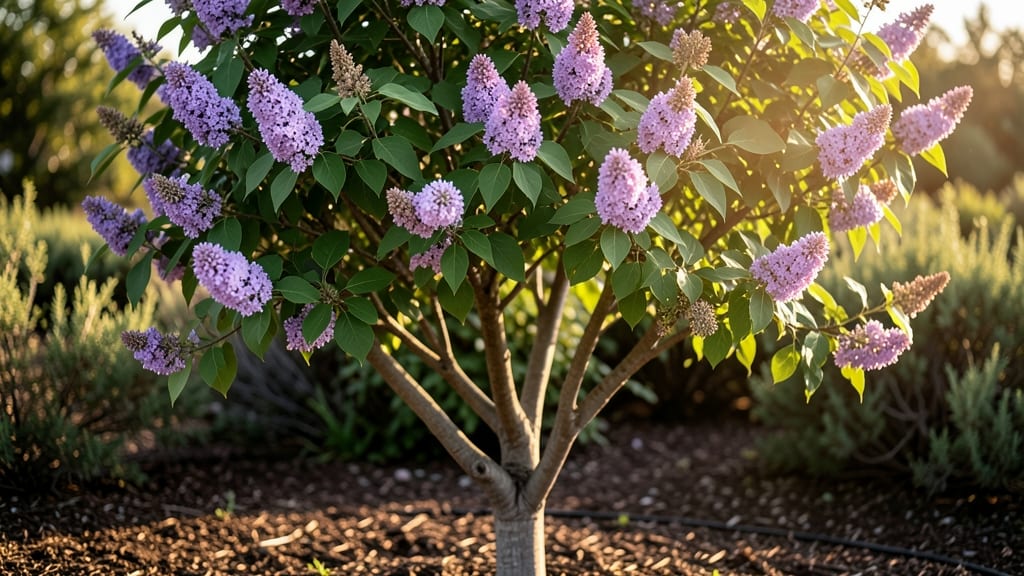
Colorado’s crisp air and dramatic seasons demand a lilac tree that thrives with strategic pruning—and the right cuts transform your yard from winter-bare to fragrant spring showstopper. 🌸 I’ve pruned lilacs in Denver’s high-altitude climate for years, and the secret isn’t just timing but understanding how cold snaps and dry winds shape growth.
Most gardeners over-prune in spring, which actually weakens blooms for next year.
The best Colorado varieties—like ‘Dwarf Korean’ or ‘Katherine Havemeyer’—handle our thin soil and temperature swings better than fussy hybrids. Plant them in full sun with well-draining soil, and water deeply once established (they’re surprisingly drought-tolerant once roots settle).
The real magic happens when you prune right after flowering—this ensures next year’s buds form on old wood, not new growth that freezes back.
You’ll end up with lilacs that burst into color earlier than neighbors’, resist powdery mildew (a Colorado nemesis), and even produce edible (though bitter) flowers for tea. The pruned branches make stunning cut flowers too—just snip the stems at a 45° angle for vase life.
With the right cuts, your lilac becomes the centerpiece that works year-round, not just spring.
High-altitude gardeners should avoid heavy summer pruning—it stresses plants before winter. Instead, focus on shaping in late fall (after leaves drop) to remove dead wood, and use pruning paste on large cuts to prevent sunburn.
For Denver’s 6,000-foot elevation, mulch heavily in winter to protect roots from freeze-thaw cycles. This method keeps lilacs thriving for decades with minimal effort.
📚 In This Guide
- What you need
- Instructions
- Tips and common mistakes
- Wrapping up and next steps
What you need
- ● Pruning shears: Sharp, bypass-style shears (for small branches, 4- to 6-inch blades).
- ● Loppers: For thicker branches (20- to 24-inch handles), rated for 2-inch cuts.
- ● Pruning saw: Curved-tooth saw for branches 2+ inches thick.
- ● Gloves: Heavy-duty, cut-resistant (e.g., mechanics’ or pruning gloves).
- ● Disinfectant: 70% isopropyl alcohol or bleach solution (1 part bleach : 9 parts water) to sterilize tools.
- ○ Pruning sealant: Tree wound paint (optional but helpful for large cuts > ½-inch diameter).
- ● Ladder or step stool: Sturdy, non-slip (if tree exceeds 6 feet tall).
- ● Heavy-duty trash bags: For collecting pruned debris (5–10 gallon size).
- ● Extension pole saw: For high branches without a ladder.
- ● Work gloves: Grip-friendly for handling larger limbs.
- ● Pruning rope: For lowering heavy branches safely.
- ● Safety glasses: Protects eyes from debris.
- ● Notebook & pen: To track pruning notes (e.g., bloom timing, branch IDs).
- ● Know your lilac’s age: Mature trees (10+ years) need structured pruning; younger trees (3–5 years) just need shaping.
- ● Check bloom cycle: Prune right after flowering (late spring) to preserve next year’s blooms.
- ● Weather window: Aim for dry, calm days (avoid rain for 24 hours post-pruning).
- ● Safety first: Ensure the area below is clear of pets/kids and you’re wearing closed-toe shoes.
How to prune lilac trees in Colorado for year-round beauty
Colorado’s climate demands a tailored approach—here’s how to keep your lilacs thriving through every season.
✂️ Step 1: Prune Immediately After Spring Bloom
Lilacs bloom on old wood, so wait until after flowering—typically mid-May in Colorado—to prune. This ensures you don’t remove next year’s buds. Cut back spent blooms by ⅓ of their length, shaping the plant into a natural, rounded form. I like to remove one-third of the oldest stems at the base to encourage new growth and improve airflow.
Use clean, sharp pruners to make 45-degree cuts just above a leaf bud or lateral branch. Avoid cutting into the center of the plant, as this creates a dense, shaded interior that invites disease. If you see dead or crossing branches, remove them entirely—they compete for energy and weaken the tree.
✂️ Step 2: Light Summer Maintenance for Shape and Health
In late June or early July, do a light pruning to refine the tree’s shape. Remove any suckers (shoots growing from the base) or water sprouts (fast-growing vertical shoots) immediately—they drain energy from the main structure. I also trim back any branches that grow too long or crowd the center.
This is also the time to thin out the canopy by removing 10-20% of the oldest stems at the base. Colorado’s dry heat can stress lilacs, so keeping the tree open improves air circulation and reduces the risk of powdery mildew, a common fungal issue in our climate.
✂️ Step 3: Winter Pruning to Prepare for Spring Growth
After the first hard frost (usually November), do a final light pruning to remove any dead, diseased, or weak branches. This is also when I shape the tree for the coming season, cutting back any branches that grew too long or became misshapen over the summer.
I avoid heavy pruning in winter—lilacs are dormant, and cutting too much can stress the tree. Instead, focus on cleaning up and removing any remaining spent blooms from the previous year. If you notice dieback (dead wood at the tips of branches), prune back to the last healthy bud.
✂️ Step 4: Post-Bloom Renewal for Long-Term Vitality
Every 3-5 years, do a rejuvenation pruning in late spring (after blooming) to reduce the tree’s size by ⅓. This involves cutting back older stems to 6-12 inches from the ground, depending on the tree’s size. It’s a bold move, but it stimulates new growth and keeps the tree vibrant.
After rejuvenation pruning, expect fewer but larger blooms the following year. Water deeply once a week for the first month to help the tree recover. In Colorado’s dry climate, lilacs need consistent moisture—especially after heavy pruning—to establish new roots and shoots.
Tips & tricks for pruning lilac trees in Colorado
Colorado’s unique climate means your lilac pruning strategy needs to be as precise as the Rocky Mountain air. Here’s how to avoid common pitfalls and keep your tree thriving year-round.
Timing is Everything: The mid-May timing in Step 1 is critical—this is when lilacs have finished blooming on old wood but before new buds form. I’ve seen too many gardeners rush this step and end up with next year’s flowers cut off. Mark your calendar for the first week after blooms fade completely, and resist the urge to prune earlier. Colorado’s warm days can accelerate growth, so don’t wait until June.
The 45-Degree Cut Secret: That precise 45-degree angle in Step 1 isn’t just for looks—it’s about directing water runoff away from the stem. I’ve found that improper cuts often lead to water pooling at the base, which invites fungal infections. Use a sharp pruner and make your cuts just above a leaf bud or lateral branch. If you’re unsure about the angle, practice on a few branches first—it makes all the difference in long-term tree health.
Colorado-Specific Disease Prevention: Our dry heat might seem ideal, but it actually creates perfect conditions for powdery mildew if your tree’s canopy gets too dense. In Step 2, when you’re thinning out 10-20% of the oldest stems, focus on improving airflow through the center. I’ve had to completely remove trees that became overcrowded—don’t let that happen to yours. After pruning, give your lilac a light spray of neem oil as a preventive measure, especially if you’ve noticed any white powdery residue on the leaves.
Rejuvenation Strategy for Older Trees: That bold ⅓ size reduction in Step 4 is intimidating, but it’s the only way to revive an established lilac that’s lost its vigor. I’ve seen trees go from nearly bare to producing stunning blooms within two years after this treatment. If you’re hesitant, start with just one-third of the oldest stems in the first year, then gradually work on the rest over the next few seasons. Remember to water deeply once a week for the first month afterward—Colorado’s dry climate will test your tree’s resilience during recovery.
Pro Tips for Lilac Tree Colorado
- Colorado’s unique climate means your lilac pruning strategy needs to be as precise as the Rocky Mountain air.
- Timing is Everything: The mid-May timing in Step 1 is critical—this is when lilacs have finished blooming on old wood but before new buds form.
- The 45-Degree Cut Secret: That precise 45-degree angle in Step 1 isn’t just for looks—it’s about directing water runoff away from the stem.
Frequently asked questions
Got questions about pruning your lilac tree in Colorado? Whether you're a first-time pruner or a seasoned gardener, these answers will help you keep your tree thriving year-round. Here’s what you need to know:
When is the best time to prune a lilac tree in Colorado?
The ideal time is late winter to early spring (February–March), just before new growth appears. This prevents disease spread and encourages strong blooms. Avoid pruning in fall—it can stimulate tender growth that won’t survive Colorado’s cold snaps. For light shaping, you can prune after flowering (June–July), but avoid heavy cuts then.
How much can I trim back my lilac tree without harming it?
Lilacs are hardy but don’t overdo it! For established trees, trim back 1/3 of the oldest stems to the ground each year to rejuvenate growth. Avoid cutting more than 20–30% of the canopy in a single season—this can stress the tree. If you’re pruning for shape, focus on dead, crossing, or weak branches first.
Will pruning my lilac tree in Colorado affect next year’s flowers?
Yes—but strategically! Lilacs bloom on old wood, so heavy pruning after flowering (like in summer) will reduce next year’s blooms. Prune before buds swell in spring to encourage new flower buds. If you prune too late, you might see fewer or smaller blooms the following season.
Why are my lilac leaves turning yellow or brown after pruning?
Yellow/brown leaves post-pruning often signal stress, disease, or pests. Check for:
- Over-pruning: Too many cuts can shock the tree.
- Fungal issues (like powdery mildew): Common in Colorado’s humidity. Use fungicide if needed.
- Pests (e.g., borers, aphids): Inspect stems for holes or sticky residue.
If leaves are only on new growth, the tree may be adjusting—give it time and proper care.
Are there drought-resistant lilac varieties better suited for Colorado?
Opt for drought-tolerant cultivars like:
- ‘Miss Kim’: Compact, low-water, and cold-hardy.
- ‘Dwarf Korean’: Thrives in dry conditions with minimal care.
- ‘Armandii’: Fragrant, adaptable, and handles Colorado’s climate well.
Pair these with mulch and deep watering (1–2 inches per week) to boost resilience.
Wrapping up and next steps
Transforming your Colorado lilac tree into a vibrant, healthy centerpiece is all about timing, technique, and a little seasonal love. 🌸 From winter’s dormant cuts to summer’s shaping strokes, each season offers a chance to nurture its beauty—and now you’ve got the know-how!
Whether you’re trimming for blooms, health, or aesthetics, consistent care pays off in fragrant purple splendor.
Ready to take the next step? Grab your pruners, mark your calendar for next year’s cuts, and watch your lilac thrive! 🌿 For even more inspiration, explore Colorado’s best lilac varieties or connect with local gardening groups to swap tips—your tree’s future starts with you.