
Pruning
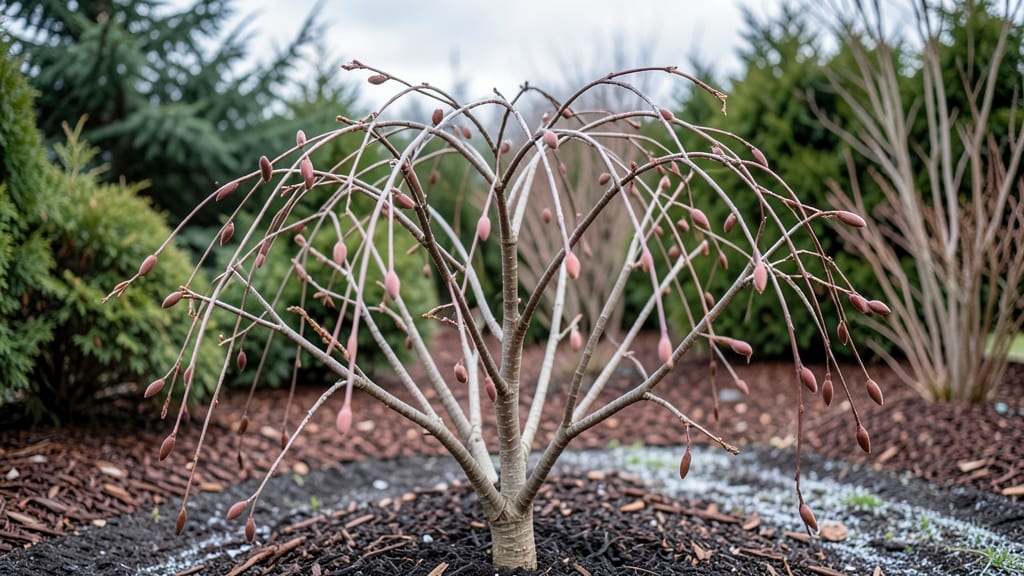
Your dwarf Korean lilac tree can handle winter's chill—but only if you prune it right. ✂️ The key is timing and technique, not just cutting back. I've seen these hardy shrubs survive -20°F with the right care, and their fragrant blooms come back stronger every spring.
Most gardeners wait until late winter or early spring, but that's not always best. For zones 4-7, prune after the worst cold passes but before buds swell—usually February or March. The goal is to shape the shrub while keeping last year's growth intact for next season's flowers.
You'll end up with a compact, bushy plant bursting with hundreds of tiny lavender blooms by late spring. The fragrance alone makes it worth the effort, and the dark green foliage stays attractive even in winter. Just avoid heavy pruning in fall—it stresses the plant before dormancy.
Works for urban gardens, small yards, or even large containers. Here's how to do it without sacrificing next year's flowers—trust me, it's easier than you think.
📚 In This Guide
- What you need
- Instructions
- Tips and common mistakes
- Wrapping up and next steps
What you need
- ● Pruning shears: Bypass pruners (sharp, clean, and disinfected with rubbing alcohol or bleach solution). Quantity: 1 pair.
- ● Loppers: For thicker branches (up to 1.5 inches in diameter). Quantity: 1 pair.
- ○ Pruning saw: For stubborn, woody stems (optional but handy). Quantity: 1.
- ● Garden gloves: Heavy-duty, cut-resistant (protects hands from thorns and sharp tools!). Quantity: 1 pair.
- ● Disinfectant: 1 part bleach to 9 parts water (to prevent disease spread). Quantity: Small spray bottle or bucket.
- ● Trash bags or bucket: For collecting pruned branches. Quantity: 1–2.
- ○ Ladder (optional): If your tree is taller than 6 feet. Safety tip: Use a sturdy, extendable ladder with non-slip feet!
- ● Timing: Prune after the tree has finished blooming in spring (late March–April) or dormant season (late fall/winter, before new growth starts).
- ● Weather: Choose a dry, calm day (humidity can spread bacteria). Ideal temps: 40–60°F.
- ● Tree health check: Remove any dead, diseased, or crossing branches first. Look for brown, mushy wood or signs of pests.
Step-by-Step instructions for dwarf Korean lilac tree winter pruning
Here's the method I rely on every winter to keep my dwarf Korean lilacs thriving and blooming beautifully.
✂️ Step 1: Time Your Pruning for Dormancy
Prune your dwarf Korean lilac after the first hard frost but before late winter when new growth begins. This timing ensures you cut back when the plant is fully dormant but still has energy stored in its roots. I always prune mine in February—just as the coldest months pass but before buds start swelling.
Look for brown, leafless branches and wait until temperatures stay consistently below 40°F for at least a week. Pruning too early can stimulate new growth that won't survive winter, while waiting too long risks removing next year's flower buds.
🪴 Step 2: Assess the Tree's Structure and Shape
Stand back and examine your lilac's overall shape. Dwarf Korean lilacs naturally grow in a rounded form, so aim to maintain that silhouette. Remove any dead, diseased, or crossing branches first—these are your priority cuts. Use sharp pruning shears to make clean cuts just above a bud or lateral branch.
I like to sketch a quick mental map of the tree's structure. Focus on opening up the center to improve airflow and sunlight penetration. This prevents fungal diseases and encourages stronger blooms. Never remove more than one-third of the tree's total growth in a single year.
✂️ Step 3: Prune for Next Year's Blooms
Dwarf Korean lilacs bloom on old wood, meaning last year's growth will produce this year's flowers. Cut back only the oldest, leggy branches that no longer contribute to the tree's shape. Make your cuts just above a healthy bud that's facing outward from the center of the tree.
I target branches that are over 3 years old or those growing inward toward the center. Each cut should be at a 45-degree angle, about 1/4 inch above the bud. This angle helps water run off the cut and prevents rot. Avoid cutting into the pithy center of the branch—it's hollow and won't heal properly.
🌿 Step 4: Clean Up and Protect the Tree
After pruning, remove all debris from the base of the tree and dispose of it in the trash—not your compost pile. Lilac debris can harbor fungal spores that will reinfect your plant. I also sterilize my pruning tools with rubbing alcohol between cuts to prevent spreading disease.
Apply a 2-3 inch layer of mulch around the base of the tree, keeping it 6 inches away from the trunk. This protects the roots from freezing temperatures and retains moisture. Water the tree deeply before the ground freezes to ensure it has enough moisture to survive the winter.
⏰ Step 5: Monitor and Maintain Through Winter
Check your pruned lilac occasionally during winter to ensure no new growth is emerging. If you notice green shoots in late winter, cover them with frost cloth until the danger of frost has passed. These shoots are vulnerable to cold damage and won't survive if exposed.
Once spring arrives, fertilize your lilac with a balanced, slow-release fertilizer to encourage strong new growth. I use a 10-10-10 formula in early spring, just as the buds begin to swell. This gives your tree the nutrients it needs to produce abundant blooms for the next season.
Tips & tricks for perfect dwarf Korean lilac winter pruning
These small adjustments make all the difference between a healthy, blooming lilac and one that struggles to recover.
Timing is Everything: I can't stress this enough—pruning in February when temperatures stay consistently below 40°F for at least a week is critical. This ensures your lilac is fully dormant but still has energy reserves. If you're unsure about your local frost dates, check your local cooperative extension service—they provide precise frost charts for your region. Trust me, skipping this timing window can mean losing next year's blooms entirely.
The 45-Degree Angle Secret: When making your cuts in Step 3, that 45-degree angle above the bud isn't just decorative—it's functional. The sloped cut prevents water from pooling in the wound, which dramatically reduces the risk of rot. I like to use a small pencil to trace the angle before making the cut, especially for larger branches. This simple trick makes all the difference in how well your cuts heal.
Mulch Layer Matters: That 2-3 inch layer of mulch around your tree's base isn't just for looks. It acts like a winter blanket, protecting roots from temperature swings that can cause freeze-thaw damage. I use shredded hardwood mulch because it breaks down slowly and improves soil structure over time. Just remember to keep it 6 inches away from the trunk—piling mulch against the bark can cause rot.
Tool Sterilization Safety: Wiping your pruning shears with rubbing alcohol between cuts in Step 4 isn't optional—it's essential. I keep a small spray bottle of 70% isopropyl alcohol right at my workstation. This prevents spreading fungal spores from diseased branches to healthy ones. It's a small habit that saves trees from serious infections every year.
Pro Tips for Dwarf Korean Lilac Tree In Winter
- These small adjustments make all the difference between a healthy, blooming lilac and one that struggles to recover.
- Timing is Everything: I can't stress this enough—pruning in February when temperatures stay consistently below 40°F f...
- The 45-Degree Angle Secret: When making your cuts in Step 3, that 45-degree angle above the bud isn't just decorative...
Frequently asked questions
When is the best time to prune a dwarf Korean lilac in winter?
The ideal window is late winter to early spring (February–March), after the worst cold snaps but before new growth starts. Pruning too early risks damaging dormant buds, while waiting too long may encourage late-season blooms that won’t survive frost. Aim for 50–70°F days for clean cuts.
Can dwarf Korean lilacs survive harsh winters without extra protection?
Most varieties are USDA Zones 4–8 hardy, but young trees or extreme winters (below -20°F) may need help. Mulch the base with 2–3 inches of shredded bark, and wrap the trunk with burlap or tree guards if your region gets heavy snow or wind. Avoid plastic—it traps moisture and can cause rot.
How much can I trim back a dwarf Korean lilac in winter?
Light pruning (removing 1/3 of the oldest stems) is key—never cut more than 25–30% of the plant at once. Focus on dead, crossing, or overcrowded branches, and avoid shearing (it encourages dense, weak growth). Use clean, sharp bypass pruners for precise cuts just above outward-facing buds.
What if my dwarf Korean lilac doesn’t bloom after winter pruning?
Bloom delays often stem from over-pruning or cutting too late (after buds set). Ensure you’re leaving at least 3–4 healthy stems and prune only after flowering (if at all). If the tree is young, fertilize in early spring with a balanced 10-10-10 formula to encourage new growth.
Are there cold-hardy alternatives to dwarf Korean lilac for winter interest?
If you love the look but need even more resilience, consider:
- Dwarf Korean Spice Viburnum (Viburnum carlesii): Zones 3–8, fragrant winter blooms.
- Winter Hazel (Corylopsis spp.): Zones 5–8, early spring flowers + yellow foliage.
- Dwarf Fothergilla (Fothergilla gardenii): Zones 4–7, showy winter stems and fall color.
Wrapping up and next steps
The dwarf Korean lilac tree thrives in winter with the right care—especially strategic pruning! By following the steps outlined, you’ll encourage vibrant blooms, maintain its compact shape, and protect it from harsh cold. Remember, timing, sharp tools, and patience are your best friends for a stunning winter revival. 🌿❄️
Ready to transform your yard? Grab your pruners and start planning your next pruning session. Your lilac’s future beauty starts with your next cut!