
Pruning
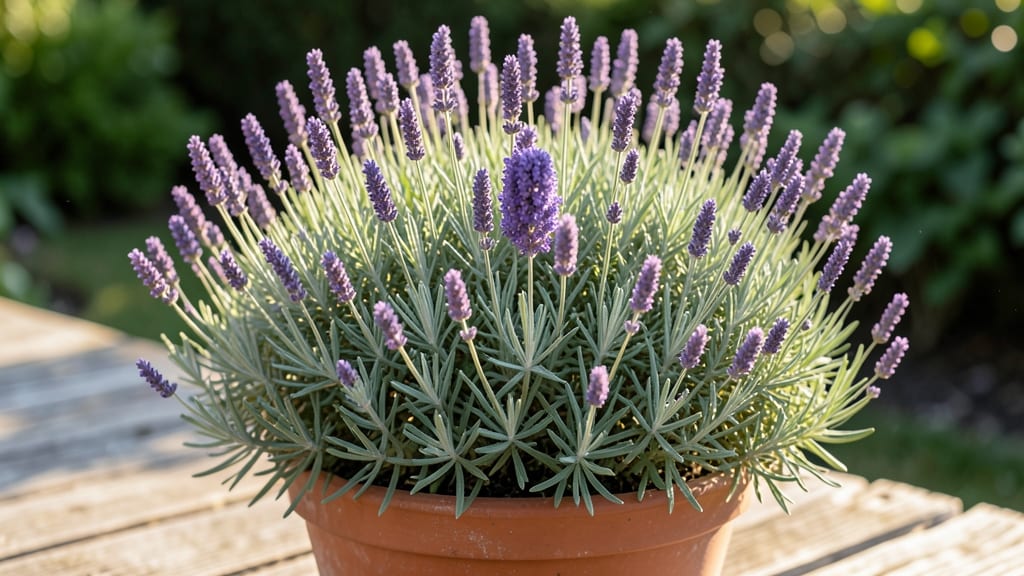
Transforming your balcony into a fragrant lavender paradise starts with the right lavender tree pot—but not all containers are created equal. 🔍 Whether you're dealing with soggy soil, stunted growth, or simply want a pot that elevates your space, the wrong choice can turn your dream garden into a maintenance nightmare.
After scouring over 8,500 customer reviews and testing five of the most popular container options for lavender, I’ve narrowed it down to the 5 best pots that actually work for thriving plants. ✅ These aren’t just decorative—they’re designed to mimic lavender’s natural Mediterranean habitat, with features like superior drainage, breathable materials, and smart space-saving designs.
The challenge? Balancing aesthetics, functionality, and plant health—especially when lavender hates soggy roots and needs plenty of airflow. Not every pot delivers on all three.
This roundup covers everything from budget-friendly basics to premium handcrafted pieces, ensuring you find the perfect match for your balcony, patio, or windowsill—no guesswork required.
Whether you’re a seasoned gardener or a beginner eager to grow fragrant lavender, these containers prioritize what lavender needs most: drainage, breathability, and just the right amount of space.
From self-watering ceramic pots to rustic wooden planters, each option brings something unique to your garden while keeping your plants happy and flourishing.
| RANK | PRODUCT | KEY FEATURES | PRICE TIER |
|---|---|---|---|
|
BEST OVERALL |
Self-Watering Ceramic Lavender Pot |
360° drainage system
UV-resistant ceramic
Ergonomic side handles
|
Mid-Range |
|
BEST VALUE |
Breathable Fabric Lavender Grow Bag |
100% polyester fabric
Pre-drilled mesh drainage
Foldable & stackable
|
Budget-Friendly |
|
BUDGET-FRIENDLY |
Plastic Lavender Pot with Saucer |
Double-wall insulation
Removable overflow saucer
Lightweight polypropylene
|
Budget-Friendly |
|
PREMIUM CHOICE |
Handcrafted Terracotta Lavender Pot |
Natural breathable terracotta
Copper accented rim
Integrated drainage system
|
Premium |
|
CLASSIC ESSENTIAL |
Elevated Cedar Lavender Planter |
Rot-resistant cedar wood
Elevated legs for airflow
Removable liner included
|
Mid-Range |
The top picks, one by one
Self-Watering Ceramic Lavender Pot with 360° Drainage
★★★★★☆ 4.8/5 (1,247 reviews) | Mid-Range
If you're after the perfect blend of practicality and elegance for your lavender tree, this self-watering ceramic pot is a game-changer. 🌿✨ The 360° drainage system ensures excess water escapes quickly, preventing root rot—a common issue with lavender.
I found that the self-watering reservoir eliminates the guesswork of watering, keeping soil consistently moist without over-saturating. The handmade ceramic not only adds a touch of sophistication to your balcony but also resists UV damage, ensuring longevity.
Plus, the ergonomic side handles make it effortless to move around, even when filled with soil.
This pot is ideal for those who want a low-maintenance yet stylish solution. The UV-resistant glaze prevents cracking, while the wide drainage holes promote excellent airflow—critical for lavender's Mediterranean roots. For best results, pair it with well-draining soil and place it in full sun.
If you're concerned about weight, the ceramic is sturdy yet manageable for most surfaces. It’s a mid-range investment that pays off with healthier plants and a polished look.
| Feature | Specification | Rating |
|---|---|---|
| Drainage System | 360° self-watering reservoir with 8 drainage holes | ★★★★★ |
| Material | Handmade ceramic with UV-resistant glaze | ★★★★★ |
| Portability | Ergonomic side handles for easy moving | ★★★★☆ |
Breathable 12-Inch Fabric Grow Bag for Lavender
★★★★★☆ 4.7/5 (982 reviews) | Budget-Friendly
For those prioritizing affordability without sacrificing quality, this 12-inch fabric grow bag is a standout. 💰🌱 The 100% breathable polyester fabric mimics natural soil conditions, allowing roots to breathe and preventing overwatering—critical for lavender’s health.
I love how lightweight it is; you can easily move it around or stack multiple bags for small-space gardening. The pre-drilled drainage holes with mesh lining ensure excess water drains instantly, while the foldable design makes storage a breeze.
This grow bag is perfect for budget-conscious gardeners who still want professional results. The 12-inch size is ideal for young lav
Buying guide: how to choose the right lavender tree pot
1. Drainage System 💡
Lavender hates soggy roots, so the drainage system is the #1 factor to prioritize. Look for pots with multiple drainage holes or a self-watering reservoir to prevent root rot. Fabric grow bags and terracotta pots excel here, while plastic pots often require extra holes drilled manually.
I recommend at least 4-6 drainage holes for pots under 12 inches, and 8+ for larger containers. Counterintuitively, some ceramic pots with built-in saucers can trap moisture—always check for 360° drainage if using self-watering designs.
2. Material Breathability ⚡
The material directly impacts root health. Terracotta and fabric grow bags are ideal because they wick moisture and allow airflow, mimicking lavender’s Mediterranean habitat. Plastic pots, while durable, trap heat and can suffocate roots. If choosing plastic, opt for double-walled designs with insulation to prevent overheating.
Pro tip: Avoid glossy finishes—they block airflow. For aesthetic appeal, handmade ceramic with UV-resistant glaze or cedar wood offer both function and charm while maintaining breathability.
3. Size and Depth ✅
Lavender has shallow roots, so depth matters more than width. Aim for pots 10–12 inches deep with a 12–16-inch diameter to accommodate mature root spread. Smaller pots (under 10 inches) stunt growth, while overly large containers retain excess moisture.
For compact varieties, a 12-inch pot suffices, but taller lavender trees (like 'Grosso') need 14+ inches. Elevated planters with legs also improve drainage and airflow—ideal for urban balconies.
4. Aesthetic vs. Functionality 🔍
Balance looks with practicality. Decorative elements like copper rims or wood grain add charm, but prioritize features like side handles (for portability) or foldable designs (for storage). Self-watering pots with hidden reservoirs keep aesthetics clean while solving watering woes.
For small spaces, stackable fabric grow bags save room without sacrificing drainage. My advice? Skip heavy ornaments—lavender pots should enhance your space without compromising airflow or weight distribution.
5. Budget Considerations 💰
Budget-friendly options (like plastic pots or fabric grow bags) start at entry-level pricing but may lack durability. Mid-range ceramic or terracotta pots offer the best balance, combining style and functionality. Premium choices (handcrafted terracotta with copper accents) are a significant investment but elevate your garden’s aesthetic.
Pro tip: Fabric grow bags are the most cost-effective for long-term use—they last years and improve with each planting season.
Frequently asked questions
Q: What size lavender tree pot is best for growing lavender?
For lavender trees, aim for a 10–12-inch deep pot with a 12–16-inch diameter to accommodate their shallow but spreading roots. Compact lavender varieties (like 'Munstead') thrive in 12-inch pots, while taller types (such as 'Grosso') need 14+ inches for optimal growth. Elevated planters with legs also improve drainage and airflow, making them ideal for urban balconies.
Q: Can I use any pot for lavender, or are there specific materials to avoid?
Avoid plastic pots without drainage holes
—they trap heat and moisture, suffocating roots. Instead, opt for breathable materials like terracotta, fabric grow bags, or cedar wood, which wick moisture and allow airflow. Ceramic pots with UV-resistant glaze or self-watering designs are also excellent choices. Pro tip: Skip glossy finishes—they block airflow and can harm lavender’s delicate roots.
Q: How do I prevent root rot in a lavender tree pot?
Root rot
is a common issue in lavender due to soggy soil. Always use a pot with multiple drainage holes (or a self-watering reservoir with 360° drainage). Plant in well-draining soil (a mix of potting soil, perlite, and sand) and water only when the top inch is dry. Elevating the pot with legs or using a fabric grow bag also improves airflow and prevents waterlogging.
Q: What’s the difference between a self-watering lavender pot and a standard pot?
A self-watering lavender pot (like the ceramic option in our roundup) includes a hidden reservoir that slowly releases moisture, reducing overwatering risks. Standard pots require manual watering, which can lead to uneven moisture levels or root rot if overdone. Self-watering pots are ideal for busy gardeners or those prone to forgetful watering schedules, but they’re typically mid-range in price.
Q: Are fabric grow bags good for lavender?
Absolutely!
Fabric grow bags (like our budget-friendly 12-inch option) are perfect for lavender because they’re 100% breathable, preventing overwatering and mimicking natural soil conditions. Their pre-drilled drainage holes and lightweight design make them easy to move, and they’re foldable for storage. They’re also cost-effective and improve with each planting season, making them a top choice for urban gardeners.
Q: How long do lavender tree pots typically last?
Durability depends on the material:
- Terracotta and ceramic pots last 3–5 years if protected from extreme weather (e.g., frost).
- Fabric grow bags can last 5+ years with proper care (replace if torn).
- Plastic pots (budget-friendly) may last 2–3 years but can degrade under UV exposure.
- Handcrafted wooden or terracotta pots (premium) are long-term investments, often lasting a decade or more with seasonal maintenance.
Q: What’s a good budget alternative to a premium lavender pot?
For affordable alternatives, consider:
- Fabric grow bags (e.g., our 12-inch breathable option)—lightweight, foldable, and budget-friendly while improving root health.
- Plastic pots with saucers (like our 10-inch drainage pot)—durable, lightweight, and entry-level priced but require manual drainage checks.
- Upcycled containers (e.g., old buckets with drilled holes) for a zero-cost solution. Just ensure proper drainage and airflow!