
Pruning
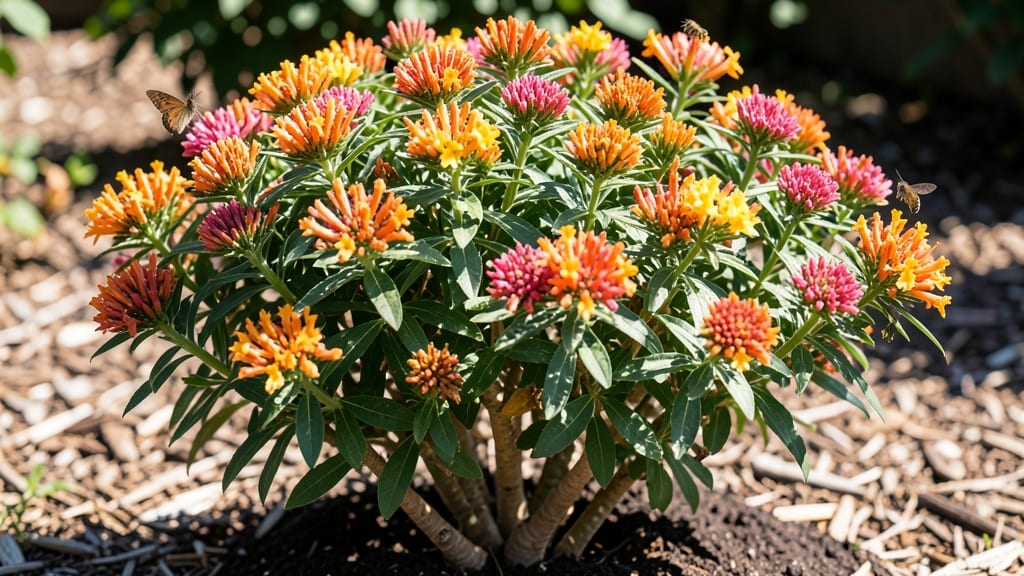
Your lantana’s natural tree form starts with just four strategic cuts each year. 🌿 I’ve shaped mine into everything from a small shrub to a 6-foot-tall specimen—all by controlling where new growth emerges. The secret isn’t complicated, but getting the timing and placement right makes all the difference.
Lantanans grow by sending out long, woody stems that root where they touch soil. When you prune, you’re not just shaping—you’re directing energy to create either a bushy, multi-branched plant or a single-stemmed tree.
Most people over-prune, which stresses the plant, but I’ve found that three cuts in spring and one light trim in fall keeps it thriving without sacrificing flowers. By summer, you’ll see full, rounded canopies or tall, elegant trunks, depending on your cuts.
The flowers stay vibrant all season, and the plant becomes a magnet for butterflies. This method works for both container lantanas and in-ground plants. Works in zones 8-11, though in cooler areas, you’ll need to bring potted plants indoors for winter.
The key is patience—lantanas respond best to gradual shaping over time.
📚 In This Guide
- What you need
- Instructions
- Tips and common mistakes
- Wrapping up and next steps
What you need
- ● Pruning shears: Bypass pruners (for small branches, 1 pair) – sharp and clean for precise cuts.
- ● Loppers: For thicker branches (½"–1½" diameter, 1 pair) – long-handled for leverage.
- ● Hand pruners: Anvil-style (for stubborn stems, 1 pair) – use sparingly to avoid crushing.
- ● Gloves: Heavy-duty gardening gloves (1 pair) – protects from thorns and sap.
- ● Disinfectant: 70% isopropyl alcohol or pruning sealant (small bottle) – prevents disease spread.
- ● Rubbing alcohol: (70% or higher, 1 small bottle) – for cleaning tools between cuts.
- ○ Pruning saw: (optional, for branches >1½" diameter, 1) – only if needed.
- ● Timing: Prune on a dry, sunny day (avoid rainy or windy conditions).
- ○ Safety gear: Safety glasses (optional, if working near eyes).
- ○ Clean workspace: Lay down a tarp or old sheet (optional) – easy cleanup for fallen debris.
- ○ Water source: Hose or bucket (optional) – for post-pruning hydration.
Step-by-Step guide to pruning lantana for a tree form
Here’s how I keep my lantana growing strong with a natural tree shape—no fancy tools, just 4 straightforward cuts.
✂️ Step 1: Identify and Remove Lower Branches
Start by finding the lowest set of branches on your lantana—these are the ones that will shape the trunk. Use clean, sharp pruners to cut them off just above a leaf node or a small side branch. This encourages new growth higher up, giving your lantana that classic tree silhouette.
I like to work from the bottom up, removing branches that are within the first 6-12 inches of the ground. If you leave too many low branches, your lantana will stay bushy instead of developing a defined trunk. Watch for new shoots forming above the cuts—they’ll fill in and thicken over time.
✂️ Step 2: Thin Out Crowded Centers
Next, move to the center of the plant and look for branches that are growing inward or crossing over each other. These are the ones causing shade and competition for sunlight. Snip them back to a healthy outward-facing branch or leaf node. You’re aiming for an open, airy structure that lets light reach the inner leaves.
Don’t overthink this—lantana is forgiving. Just focus on removing about 20-30% of the center growth per session. You’ll see the difference immediately: more airflow, fewer pests, and a fuller canopy. I usually do this in early spring when new growth is just starting.
✂️ Step 3: Shape the Canopy for Balance
Now it’s time to refine the top. Step back and look at your lantana from all sides. You want a rounded, even canopy—not too flat or too pointy. Trim back any branches that are growing too long or too close together, cutting just above a leaf node or a side branch. This keeps the shape natural but controlled.
I like to leave the outer branches slightly longer than the inner ones to create that classic tree form. If you notice one side looking sparse, focus extra cuts there. The goal is symmetry, but don’t stress—lantana will fill in quickly. Just avoid cutting more than 1/3 of the canopy at once to prevent shock.
✂️ Step 4: Maintain Year-Round with Light Trims
After the big shape-up, switch to light maintenance cuts every 4-6 weeks. This keeps your lantana looking tidy without overworking it. Snip off any dead or dying branches first—they’ll sap energy from the rest of the plant. Then, trim back any leggy growth or branches that are growing out of balance.
Here’s the thing—I don’t wait for flowers to fade before trimming. Lantana blooms on new growth, so a little pruning actually encourages more flowers. Just avoid cutting into old wood (the bare stems), as it won’t regrow. A quick once-over keeps your tree form perfect with minimal effort.
Tips & tricks for perfect lantana tree form
These simple tricks will help you achieve that polished, tree-like shape without overcomplicating things.
The Pruning Angle Matters: When cutting branches in Step 1 and Step 3, always make clean cuts at a 45-degree angle just above a leaf node or side branch. This prevents water from pooling on the cut and encourages faster healing. I've learned the hard way—uneven cuts can lead to weak spots where pests or disease might take hold. The 45-degree angle also helps direct new growth exactly where you want it.
Step 2: The 20-30% Rule: In Step 2, when thinning crowded centers, focus on removing branches that are growing inward or crossing. The 20-30% guideline is perfect because it gives your lantana enough structure while allowing room to breathe. I like to think of it like giving your plant a spa day—just enough trimming to refresh without overwhelming it. This percentage works beautifully for lantana's natural growth patterns.
Seasonal Timing: Early spring is ideal for Steps 1-3 because that's when lantana starts fresh growth. But don't wait until summer! If you notice leggy growth or branches growing out of balance in Step 4, address it immediately. I've found that lantana responds best to regular, light maintenance rather than one heavy pruning session. The 4-6 week maintenance schedule keeps your tree form looking intentional year-round.
Tool Prep: Before you start, disinfect your pruners with rubbing alcohol. This simple step prevents spreading disease between cuts. I also recommend sharpening your blades—dull tools crush stems instead of making clean cuts, which can damage your lantana. A quick wipe-down between plants also keeps your tools ready for the next cut.
Pro Tips for Lantana Tree Form
- These simple tricks will help you achieve that polished, tree-like shape without overcomplicating things.
- The Pruning Angle Matters: When cutting branches in Step 1 and Step 3, always make clean cuts at a 45-degree angle ju...
- Step 2: The 20-30% Rule: In Step 2, when thinning crowded centers, focus on removing branches that are growing inward...
Frequently asked questions
Got questions about shaping your lantana tree?
Here are some of the most common ones—and their answers—to help you keep your plant looking its best year-round!
How often should I prune my lantana tree to maintain its shape?
Prune your lantana lightly every 4–6 weeks to encourage bushiness, but avoid heavy cuts more than 2–3 times per year. Lantanas thrive on frequent trims—think of it like giving them a haircut! Focus on shaping in late winter or early spring to prep for new growth.
Can I prune lantana in winter, or will it kill the plant?
Lantanas are tropical evergreens, so they won’t die from winter pruning—but avoid heavy cuts in cold snaps (below 30°F/–1°C). Light shaping in mild winters is fine, but wait until spring for major trims. If frost hits, prune only dead or damaged branches first.
Why does my lantana look leggy after pruning?
Leggy growth happens when you cut too much at once or prune only the top. To fix it, trim evenly from all sides and pinch back new growth to 4–6 inches tall. Use hand pruners for precision—lantanas respond best to gradual shaping over time.
Are there alternatives to lantana for low-maintenance hedges?
Yes! If lantana’s aggressive growth or invasiveness is a concern, try dwarf butterfly bush (Buddleia davidii ‘Nanho Blue’) or firebush (Hamelia patens). Both offer colorful blooms and similar pruning needs but grow more contained. Just check local regulations—some areas restrict lantana!
What do I do if my lantana stops blooming after pruning?
Over-pruning or cutting into old wood can reduce flowers. To revive blooms, trim only new growth and avoid shearing (which removes flower buds). Feed with a balanced fertilizer (10-10-10) in spring, and ensure it gets 6+ hours of sun daily. Deadheading spent blooms also encourages more flowers!
Wrapping up and next steps
Mastering the lantana tree form doesn’t have to be complicated—just a few strategic cuts can keep your plant thriving and beautiful year-round! 🌿 With the right tools, timing, and techniques, you’ll enjoy a lush, well-shaped lantana that blooms effortlessly.
Now that you’re armed with the know-how, grab those pruners and give your lantana the care it deserves—your garden will thank you!
Next step: Schedule your first pruning session and watch your lantana transform into a vibrant focal point! 🌸