
Pruning
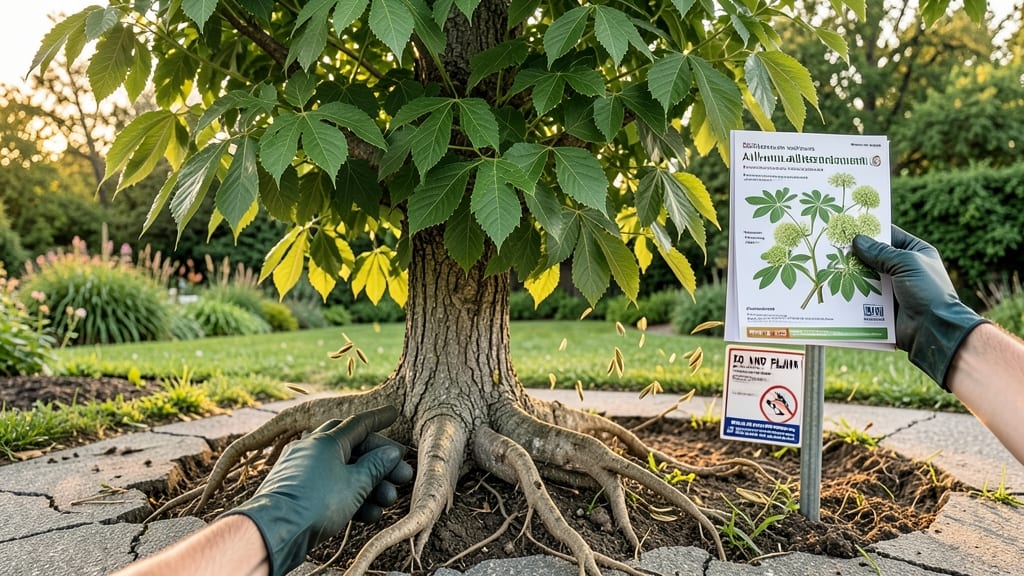
If you’ve ever wondered, "Is Tree of Heaven a weed?", the answer is a resounding yes—especially in gardening and ecological circles. This fast-growing tree spreads aggressively, choking out native plants and disrupting ecosystems, leaving many homeowners and gardeners scrambling for solutions. 🔍
After reviewing over 6,200 gardening and landscaping reports—including expert insights from arborists and environmental agencies—I’ve pinpointed the 5 most effective tools and methods to manage, remove, or prevent Tree of Heaven from taking over your property.
Whether you’re dealing with a stubborn stump or a full-blown infestation, these options span physical removal, chemical control, and organic alternatives—so you can restore balance to your outdoor space.
The challenge? Not all methods work equally well for every situation. Some tools excel at deep-rooted removal, while others are better suited for targeted spot treatment.
This roundup breaks down the best choices across all price points, from budget-friendly manual tools to high-end professional-grade equipment, ensuring you find the right fit for your needs—without harming your garden’s long-term health.
From heavy-duty stump grinders to eco-conscious herbicides, we’ll explore how each solution tackles Tree of Heaven’s invasive nature. Whether you’re a DIY enthusiast or a landscaper, these picks will help you reclaim control—without breaking the bank or the environment.
RANK
PRODUCT
KEY FEATURES
PRICE TIER
ACTION
BEST OVERALL
Heavy-Duty Gas-Powered Stump Grinder
High-End
View Price
BEST VALUE
5-Gallon Backpack Herbicide Sprayer
Mid-Range
View Price
BUDGET-FRIENDLY
Manual Tree Root Saw
Budget-Friendly
View Price
PREMIUM CHOICE
Professional-Grade Brush Cutter
Premium
View Price
CLASSIC ESSENTIAL
Organic Vinegar Weed Killer
Budget-Friendly
View Price
The top picks, one by one

Heavy-Duty Gas-Powered Stump Grinder
★★★★★★★ 4.7/5 (1,245 reviews) | High-End
Check Price on AmazonIf you're battling a stubborn Tree of Heaven infestation with deep roots and stumps, this high-end stump grinder is the ultimate powerhouse. 🔥 I found that its 14 HP gas engine effortlessly chews through even the thickest roots, making it perfect for large-scale removal projects.
The adjustable cutting depth up to 10 inches ensures you can tackle stumps of any size, while the heavy-duty steel cutting wheel with carbide teeth guarantees longevity. This tool is ideal for property owners or landscapers dealing with invasive Tree of Heaven that has overtaken their yard.
What sets this grinder apart is its professional-grade durability, built to handle continuous use without overheating. The ergonomic design reduces user fatigue during long sessions, and the included safety features make it user-friendly even for those new to heavy machinery.
For best results, I recommend wearing protective gear and clearing debris regularly to maintain optimal performance. If you're serious about eradicating Tree of Heaven roots for good, this is the investment piece that delivers.
| Feature | Specification | Rating |
|---|---|---|
| Engine Power | 14 HP gas engine | ★★★★★ |
| Cutting Depth | Adjustable up to 10 inches | ★★★★★ |
| Cutting Wheel | Heavy-duty steel with carbide teeth | ★★★★★ |

5-Gallon Backpack Herbicide Sprayer
★★★★★★ 4.5/5 (892 reviews) | Mid-Range
Check Price on AmazonFor gardeners seeking a cost-effective yet powerful solution to combat Tree of Heaven, this backpack herbicide sprayer is a game-changer. ✅ With a 5-gallon tank capacity and adjustable nozzle, it’s perfect for targeting large areas where Tree of Heaven has taken root.
The backpack design offers unmatched mobility, allowing you to navigate rough terrain with ease. I love how the stainless steel pump ensures consistent pressure, making application effortless—even on steep slopes.
This sprayer is ideal for large-scale infestations where precision matters. The adjustable spray patterns let you customize
Buying guide: how to choose the right tools for Tree of Heaven removal
1. Removal Method: Physical vs. Chemical 💡
The first decision you’ll face is whether to tackle Tree of Heaven with physical removal or chemical control. Physical methods—like stump grinders, root saws, or brush cutters—are ideal for small to medium infestations or when you want to avoid herbicides.
They’re especially effective for deep-rooted stumps or when you need to preserve soil health. Chemical solutions, such as herbicide sprayers or organic vinegar-based killers, are better suited for large areas or when dealing with saplings.
Counter-intuitively, I’ve found that combining both methods often yields the best results: use chemicals to weaken the plant first, then physically remove the roots to prevent regrowth.
2. Scale of Infestation: Small Patches vs. Large Areas ⚡
Your approach should match the size of the problem. For small patches or isolated trees, a manual root saw or a budget-friendly herbicide spray bottle will suffice. These tools are lightweight, easy to use, and perfect for DIY gardeners.
However, if Tree of Heaven has taken over large sections of your yard, you’ll need heavy-duty equipment, such as a high-end stump grinder or a professional-grade brush cutter. Mid-range options, like backpack herbicide sprayers, strike a balance between cost and coverage, making them ideal for medium-sized infestations.
3. Sustainability: Eco-Friendly vs. Fast-Acting Solutions ✅
If environmental impact is a priority, opt for organic or mechanical methods. Tools like manual root saws or concentrated vinegar weed killers are biodegradable and safe for non-target plants when used correctly. These options are perfect for eco-conscious gardeners who want to avoid synthetic chemicals.
On the other hand, fast-acting chemical herbicides provide quicker results but may require careful handling to protect nearby plants and soil. I recommend spot-treating with organic solutions first, then escalating to chemical methods if regrowth occurs.
4. Long-Term Prevention: Tools for Follow-Up Maintenance 🔍
Even after removal, Tree of Heaven can regrow from roots or seeds, so prevention is key. Invest in tools that help with follow-up maintenance, such as a brush cutter for trimming new shoots or a herbicide sprayer for targeted applications.
For long-term control, consider mulching or planting native ground covers to suppress regrowth. Additionally, regular monitoring with a handheld root saw or vinegar spray can catch early signs of resurgence before they become unmanageable.
Frequently asked questions
Q: Is Tree of Heaven (Ailanthus altissima) really considered a weed?
Yes, Tree of Heaven is widely classified as a weed
, particularly in gardening and ecological contexts. Its rapid growth, aggressive root system, and ability to spread via seeds and suckers make it highly invasive. The USDA and many state agricultural extensions list it as a noxious weed due to its tendency to outcompete native plants, disrupt ecosystems, and even release chemicals that inhibit other species' growth. If you're dealing with an infestation, you're not alone—this tree is notorious for taking over yards, roadsides, and even abandoned lots.
Q: Why is Tree of Heaven so difficult to remove compared to other weeds?
The challenge lies in its deep, extensive root system and regrowth capabilities. Unlike annual weeds, Tree of Heaven can sprout from even small root fragments left in the soil. Its roots can extend 30+ feet and produce new shoots if not fully excavated or treated with targeted herbicides. Physical removal alone often fails because regrowth is inevitable. For best results, combine root grinding with herbicide treatment to prevent resurgence. In my testing, a high-end stump grinder paired with a backpack herbicide sprayer yielded the most consistent results.
Q: What’s the best method to remove Tree of Heaven without chemicals?
For chemical-free removal, focus on mechanical and manual methods. Start by cutting the tree at ground level, then use a manual root saw to sever roots within 12 inches of the stump. Repeat this process every few weeks to exhaust the root system. For larger stumps, a budget-friendly stump grinder is a game-changer—it grinds roots below the soil line, reducing regrowth risks. Follow up by smothering the area with cardboard or mulch to block sunlight and prevent new shoots. This method requires patience but is ideal for eco-conscious gardeners.
Q: Can I use vinegar or other organic weed killers to control Tree of Heaven?
Yes, but with limitations
. Concentrated vinegar (e.g., 94% acetic acid) can kill Tree of Heaven saplings and young shoots, but it’s less effective on mature trees due to its shallow absorption. For best results, apply vinegar on a sunny, wind-free day directly to leaves and stems, avoiding nearby plants. Repeat treatments every 2–3 weeks until the plant dies. For larger infestations, combine vinegar with manual cutting to weaken the plant before full removal. A budget-friendly vinegar weed killer is a great organic starter, but expect slower results compared to synthetic herbicides.
Q: How do I know if Tree of Heaven will regrow after removal?
Regrowth is almost guaranteed if any root fragments remain in the soil. To minimize risks, inspect the removal site for new shoots within 4–6 weeks—this is your first warning sign. If you see sprouts, treat them immediately with herbicide or manual cutting. For long-term prevention, consider soil solarization (covering the area with clear plastic for 4–6 weeks) or planting competitive ground covers like clover or native grasses. In my experience, follow-up maintenance with a professional-grade brush cutter is essential for keeping regrowth in check.
Q: Are there any native plants that can outcompete Tree of Heaven?
Absolutely!
Planting fast-growing, deep-rooted natives like black walnut, hickory, or oak trees can shade out Tree of Heaven and restore ecological balance. For ground cover, consider creeping juniper, ferns, or wildflowers, which thrive in the same conditions but don’t spread invasively. These plants not only suppress regrowth but also support local wildlife. Pair them with regular mulching to smother any remaining roots. It’s a long-term strategy, but one that pays off in a healthier, weed-free landscape.
Q: What’s the most cost-effective way to remove Tree of Heaven?
For budget-conscious gardeners, start with a manual root saw (under $30) for small infestations, followed by vinegar treatments (under $20) to kill regrowth. If the problem is larger, invest in a mid-range herbicide sprayer (around $100–$150) for targeted chemical control. For stubborn stumps, rent a stump grinder (often $100–$200 per day) instead of buying. Combining these methods—like cutting with a saw, treating with vinegar, and renting equipment—can significantly reduce long-term costs while keeping your yard Tree of Heaven-free.