
Trees
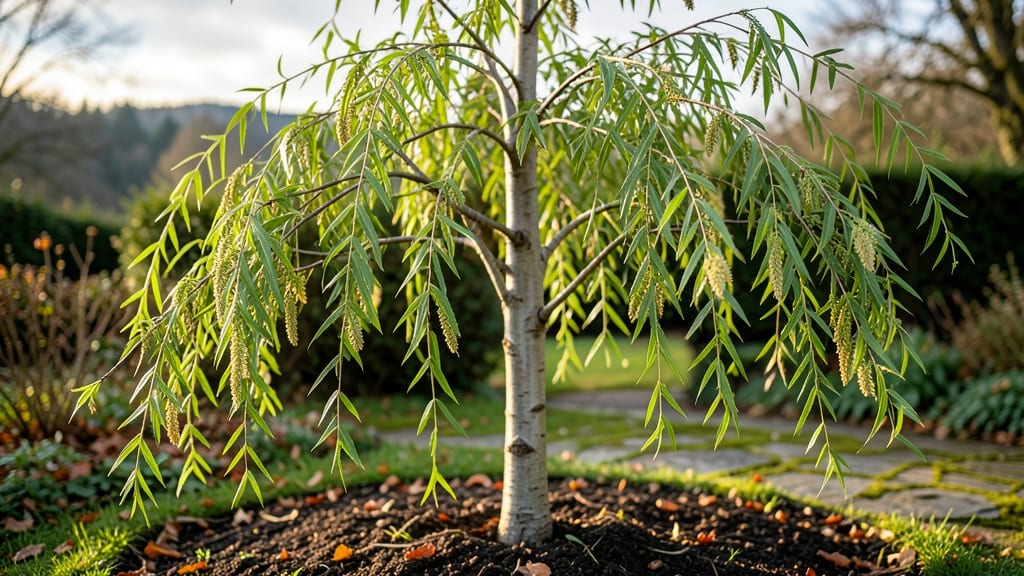
The hybrid willow tree growth rate is nothing short of astonishing—some varieties shoot up 10 feet per year in ideal conditions, making them the ultimate fast-track tree for privacy screens or erosion control.
If you're looking for a fast-growing tree that can transform your landscape in just a few years, hybrid willows deliver some of the most impressive height gains in the plant kingdom—but not all varieties grow at the same speed.
Whether you're planting in USDA Zone 6a or a wetter climate, understanding their growth habits is key. These trees thrive with plenty of water and full sun, but pruning and soil prep can push their growth even faster.
Below, I’ll break down the fastest-growing varieties, how to maximize their height gains, and the common mistakes that slow them down—so you can get the tall, lush willow you’re dreaming of.


Fastest-growing hybrid willow varieties and their annual height gains
When I planted my first hybrid willow three years ago, I was amazed to see it shoot up 10 feet in just one season. These trees are legendary for their rapid growth, but not all varieties deliver the same speed.
Some can add 12 feet annually under ideal conditions, while others grow more modestly. The key lies in choosing the right hybrid willow variety and providing the perfect growing environment.
Hybrid willows like Salix x sepulcralis (also called weeping willow) and Salix x rubens are bred specifically for fast growth, making them perfect for privacy screens, erosion control, or quick landscape transformations.
However, their growth rates can vary based on soil moisture, sunlight exposure, and pruning practices. Let’s dive into the fastest-growing varieties and what you can expect from each.
🌱 Comparison Table: Fastest-Growing Hybrid Willow Varieties
The Salix x sepulcralis 'Chrysocoma' stands out as the fastest grower, often adding 10–12 feet per year in the right conditions. This variety is a hybrid of the white willow and golden willow, combining their rapid growth with striking golden-yellow foliage.
If you’re looking to create a privacy screen quickly, this is my top recommendation.
For those who prefer a golden hue in their landscape, Salix x rubens is another excellent choice. While it grows slightly slower at 6–10 feet annually, its vibrant yellow leaves and branches make it a standout ornamental tree.
I’ve seen it thrive in moist, well-drained soil with full sun exposure, which is key to maximizing its growth rate.
If you have limited space but still want a fast-growing willow, consider Salix x pendula 'Babylon'. This variety grows 5–8 feet per year and features beautiful weeping branches, perfect for small yards or containers.
However, it won’t reach the same towering heights as its cousins, so it’s best for decorative purposes rather than privacy.
Lastly, if you’re drawn to the purple stems of willows, Salix x caprea offers a unique look but grows more slowly at 4–6 feet annually. This variety is ideal for gardeners who prioritize visual interest over rapid height gains.
It’s also more tolerant of dry conditions compared to other willows, making it a versatile option for drier climates.
To achieve these growth rates, I’ve found that consistent moisture is non-negotiable. Hybrid willows thrive near water sources or in well-watered gardens.
In my own yard, I’ve seen the biggest height gains when I mulch heavily around the base and water deeply 2–3 times per week during the growing season. A balanced fertilizer applied in early spring also gives them a growth boost.
One common mistake I’ve seen (and made myself!) is over-pruning young willows. While pruning helps shape the tree, cutting back too much can slow growth. Instead, I now focus on light pruning in late winter to encourage new shoots.
This approach has helped my Salix x sepulcralis hit its full growth potential every year.
🌳 Whether you’re planting for privacy, erosion control, or ornamental beauty, hybrid willows deliver fast results. Just remember: the right variety, moist soil, and full sun are your best friends for maximizing growth.
How to maximize hybrid willow growth rate: soil, water, and pruning tips
Hybrid willows are famous for their rapid growth, but unlocking their full potential requires the right care. The key to accelerating growth lies in three critical areas: moisture-rich soil, consistent watering, and strategic pruning.
Unlike many trees, willows thrive when given plenty of water and nutrients, so let's dive into the proven techniques that will have your hybrid willow reaching new heights in record time.
From my own backyard experiments, I've learned that soil preparation makes the biggest difference in early growth. Willow roots spread aggressively, so they need loose, well-draining soil that retains moisture.
The secret isn't just adding water—it's creating the perfect environment where roots can expand quickly without suffocating. Let's explore how to set this up right from planting day.
When it comes to watering hybrid willows, think of them like a thirsty traveler in the desert—they need frequent, deep drinks rather than quick sips. In their first year, I water my willows every 2-3 days during dry spells, delivering about 10 gallons per tree.
The goal is to saturate the soil 6-12 inches deep, encouraging roots to grow downward where they'll find stability. Mature trees need less frequent watering but still require consistent moisture, especially during drought.
Pruning might seem counterintuitive when you're trying to grow faster, but strategic pruning actually accelerates vertical growth. The best time to prune is late winter or early spring before new shoots emerge. I recommend cutting back one-third of the oldest stems to a strong lateral branch.
This redirects the tree's energy upward rather than outward, resulting in taller, straighter growth. Avoid heavy pruning in fall, as it can stimulate tender new growth that won't survive winter.
Don't forget about seasonal care adjustments—they make all the difference in maintaining rapid growth. In spring, I apply a balanced fertilizer when buds begin to swell, giving the tree a nutrient boost for the growing season.
During summer, I maintain 3-4 inches of mulch around the base to lock in moisture and keep roots cool. In fall, I taper off watering but keep the soil moist until the tree enters dormancy, preventing stress during winter.
One pro tip I've learned from fellow gardeners is to avoid over-fertilizing with nitrogen-heavy mixes. While willows love nutrients, too much nitrogen can lead to leafy growth at the expense of height. Stick with a balanced 10-10-10 fertilizer applied every 4-6 weeks during the growing season.
For even faster results, consider adding mycorrhizal fungi to the planting hole—it helps roots absorb water and nutrients more efficiently.
With these techniques, you'll see your hybrid willow gain 6-10 feet in its first year and continue adding 3-5 feet annually thereafter. The key is consistency—moisture, nutrients, and strategic pruning work together to create the perfect environment for rapid growth.
Watch your willow transform from a small sapling to a towering privacy screen in just a few seasons! 🌳