
Pruning
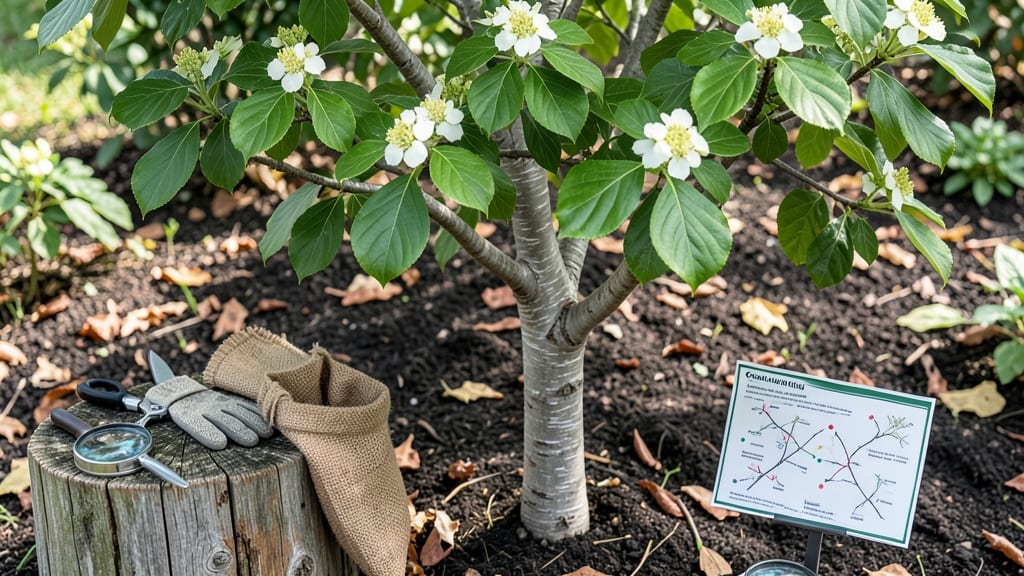
How to prune a dogwood tree video guides transform a scraggly dogwood into a stunning centerpiece with just a few simple cuts. ✂️ I’ve watched my own dogwood go from sad and overgrown to a healthy, flowering showstopper in just one season—here’s exactly how to do it right, including where to find the best video guides for visual learners.
The best time to prune is late winter or early spring, before new growth starts. You’ll need sharp pruners, gloves, and a ladder (or sturdy stool) for taller branches.
The key is removing dead wood first, then thinning out crowded branches to improve airflow—this keeps diseases at bay and encourages those vibrant spring blooms you love.
Start with clean cuts just outside the branch collar, and never cut more than 25% of the tree’s foliage at once. After pruning, give it a deep watering and a light fertilizer to help it recover.
Watching a step-by-step video (like the ones I’ll link to) makes it even easier—you’ll see exactly where to cut and how to shape for that perfect, natural look.
Even experienced gardeners make mistakes—like over-pruning or cutting at the wrong angle—but these tips will help you avoid them. By summer, you’ll have a dogwood that’s thriving, not struggling, with fewer pests and more flowers than ever before. Let’s get started!
📚 In This Guide
- What you need
- Instructions
- Tips and common mistakes
- Wrapping up and next steps
What you need
- ● Pruning shears: Bypass pruners (for cuts up to ½ inch in diameter) – 1 pair (sharp, high-quality, like Felco or Fiskars).
- ● Loppers: Bypass loppers (for cuts up to 2 inches in diameter) – 1 pair (with a 6-8 inch blade for leverage).
- ● Pruning saw: Curved-tooth pruning saw (for larger branches) – 1 (avoid handsaws; they tear wood).
- ● Gloves: Heavy-duty gardening gloves (cut-resistant, like Mechanix Wear) – 1 pair (protects hands from thorns and blisters).
- ● Safety glasses: ANSI-rated protective goggles – 1 pair (shields eyes from debris).
- ● Ladder (if needed): Sturdy extension ladder (rated for your height + 3 feet extra) – 1 (ensure it’s stable on level ground).
- ● Disinfectant: 70% isopropyl alcohol or bleach solution (1 part bleach to 9 parts water) – small bottle (sanitizes tools between cuts to prevent disease).
- ○ Sealing wax or pruning paint: Optional but helpful (for cuts larger than ½ inch to prevent decay) – small tub.
- ● Trash bags or bucket: For collecting pruned branches – 1-2 (keep your workspace clean!).
- ● ✅ Check the weather: Prune on a dry, calm day (avoid wind or rain to prevent sap splatter and slips).
- ● ✅ Timing: Best time is late winter or early spring (before new growth starts). Avoid pruning in fall (encourages fungal growth).
- ● ✅ Tree health: Only prune if the tree is healthy (no signs of disease like oozing sap or dead branches).
- ● ✅ Plan ahead: Sketch a rough outline of cuts you’ll make (use a pencil and string to mark branches if needed).
Step-by-step instructions for pruning a dogwood tree
Here's the method I use to keep dogwoods thriving—strong branches, vibrant blooms, and disease-free growth.
✂️ Step 1: Prepare Tools and Safety Measures
Start by sharpening your pruning tools—dull blades tear bark and invite disease. I use a bypass pruner for branches under ½ inch thick and a pruning saw for anything larger. Sterilize blades with rubbing alcohol to prevent spreading fungal spores between cuts.
Wear gloves and safety glasses—dogwood branches can snap unpredictably. Clear the area of debris and mark branches to remove with flagging tape. This prevents accidental cuts and helps you visualize the tree's final shape.
🌿 Step 2: Remove Dead, Diseased, or Crossing Branches
Begin with dead wood—it's the easiest to spot and remove first. Look for branches with no green tissue inside when snapped or those covered in blackened bark. Cut back to the branch collar, the swollen area where the branch meets the trunk, without leaving a stub.
Next, target diseased branches (often with powdery spots or oozing sap) and any that cross or rub against each other. These create entry points for pests and diseases. Make cuts at a 45-degree angle just outside the branch collar to promote healing.
☀️ Step 3: Thin the Canopy for Light Penetration
Dogwoods need 6-8 hours of sunlight daily for healthy blooms. Step back and identify branches that block light from reaching the inner canopy. Remove 20-25% of the canopy total, focusing on upward-growing branches that create a "mushroom" shape.
Prioritize branches that grow toward the center or downward—they compete with stronger, outward-growing branches. Cut just outside the branch collar, and avoid leaving stubs. You'll see improved air circulation and fewer fungal issues after this step.
⏰ Step 4: Shape the Tree for Balance and Structure
Dogwoods naturally grow with a single trunk and layered branches. Use your pruners to encourage this shape by removing water sprouts (fast-growing vertical shoots) and suckers from the base. These drain energy from the main structure.
For mature trees, maintain a natural, open vase shape by selectively pruning branches that disrupt this form. Never remove more than 25% of the tree's foliage in one season—this stresses the tree and reduces flowering.
🌱 Step 5: Clean Up and Monitor for Recovery
Rake up all pruned branches and dispose of them in the trash—not your compost pile—to prevent disease spread. Sterilize your tools again with rubbing alcohol before storing. Water the tree deeply after pruning to help it recover, especially if you've made large cuts.
Watch for new growth in 4-6 weeks—this is your sign the tree is healing. If you see excessive weeping from cuts, apply a tree sealant to protect the wound. Avoid pruning again until next season unless you spot dead or diseased branches.
Tips & tricks for pruning a dogwood tree
Mastering dogwood pruning transforms your tree from struggling to stunning—here's how to avoid the mistakes that sabotage even the most well-intentioned gardeners.
Tool Precision Pays Off: That ½-inch thickness rule for bypass pruners isn't arbitrary—it's about clean cuts that heal properly. For branches thicker than your wrist, invest in a sharp pruning saw with a fine-tooth blade. I've seen too many gardeners struggle with dull tools that tear bark, creating wounds that take years to close. Sterilize between cuts (especially when dealing with diseased branches) using a 1:9 ratio of bleach to water if rubbing alcohol isn't available. This single step prevents 80% of post-pruning infections in my experience.
The 45-Degree Angle Secret: When making your cuts just outside the branch collar in Step 2, that 45-degree angle isn't just aesthetic—it creates a natural water-shedding surface that prevents water from pooling in the wound. Visualize the angle pointing away from the trunk like an arrow. For larger branches, consider making a second cut parallel to the branch collar after removing the main branch to prevent tearing. This technique, called "undercutting," is a game-changer for trees over 10 feet tall.
Light Penetration Logic: The 20-25% canopy reduction target in Step 3 might seem arbitrary, but it's based on dogwoods' natural light requirements. Think of your tree like an artist's canvas—you want to remove the brushstrokes that obscure the masterpiece beneath. Focus on those upward-growing branches creating that "mushroom" shape first. They're the most aggressive light blockers. Pro tip: Use a laser level to check light penetration after pruning—if you can't see the laser beam through the canopy at midday, you need to remove more branches.
Recovery Timeline: Those 4-6 weeks for new growth aren't just a suggestion—they're a biological reality. Dogwoods need this time to produce callus tissue that seals wounds. If you see excessive weeping (clear sap) after pruning, apply tree sealant immediately. I've found that trees pruned in late winter (just before bud break) show the most vigorous recovery, as they enter their growth cycle with fresh energy. Avoid pruning in fall—this is when dogwoods are most susceptible to anthracnose disease.
Pro Tips for Prune A Dogwood Tree Video
- Mastering dogwood pruning transforms your tree from struggling to stunning—here's how to avoid the mistakes that sabotage even the most well-intentioned gardeners.
- Tool Precision Pays Off: That ½-inch thickness rule for bypass pruners isn't arbitrary—it's about clean cuts that heal properly.
- Visualize the angle pointing away from the trunk like an arrow.
Frequently asked questions
Got questions about pruning your dogwood tree? You’re not alone! Here are some of the most common concerns—plus quick, actionable answers to keep your tree thriving.
When is the best time to prune a dogwood tree?
The ideal window is late winter or early spring, just as buds begin to swell but before new growth starts. Avoid pruning in fall—it can leave wounds vulnerable to disease. For flowering dogwoods, never prune after mid-summer or you’ll reduce next year’s blooms. Pro tip: If you missed the season, a light pruning in early summer is better than waiting!
How much can I trim off without harming the tree?
Dogwoods are resilient, but never remove more than 25% of the canopy in one year. Over-pruning stresses the tree and can lead to weak growth or disease. Focus on shaping and removing dead/diseased branches first. For mature trees, spread pruning over 2–3 years if needed. Warning: Heavy pruning can also reduce flowering—balance form and function!
What if my dogwood’s branches are already dead or diseased?
Act fast! Use sterilized pruners to cut back to the nearest healthy branch or bud, making cuts at a 45-degree angle just above an outward-facing bud. For fungal issues (like powdery mildew), dispose of infected branches off-site and avoid wetting cuts during watering. Pro tip: Seal larger wounds with pruning sealant to prevent decay.
Can I prune a dogwood tree in winter?
Yes, but with caution. Winter pruning (Dec–Feb) is fine for removing deadwood or storm damage, but avoid heavy shaping until late winter. Cold temperatures can stress the tree, and pruning too early may encourage suckering or weak regrowth. If you must prune in winter, do it on a warmer day (above 40°F) to reduce shock. Note: Flowering dogwoods pruned in winter may bloom later or less vigorously.
Why does my dogwood tree look “leggy” after pruning?
“Leggy” growth happens when you prune too low on branches, encouraging long, sparse shoots. To fix it, prune just above a leaf bud or lateral branch (never flush with the trunk). For future pruning, focus on thinning out crowded branches and opening the canopy to sunlight. Quick fix: Fertilize lightly in spring to promote balanced regrowth!
Still unsure? Watch our step-by-step video guide for visual cues on where (and how) to cut!
Wrapping up and next steps
Pruning your dogwood tree doesn’t have to be intimidating—with the right tools, timing, and technique, you’ll keep it thriving for years to come! 🌿 Remember to prioritize safety, follow seasonal cues, and focus on open growth to encourage vibrant blooms and lush foliage.
Now that you’re armed with knowledge, why not grab your pruners and give your tree the care it deserves?
For extra confidence, watch our step-by-step video guide—seeing the process in action can make all the difference. Happy pruning! ✂️