
Propagation
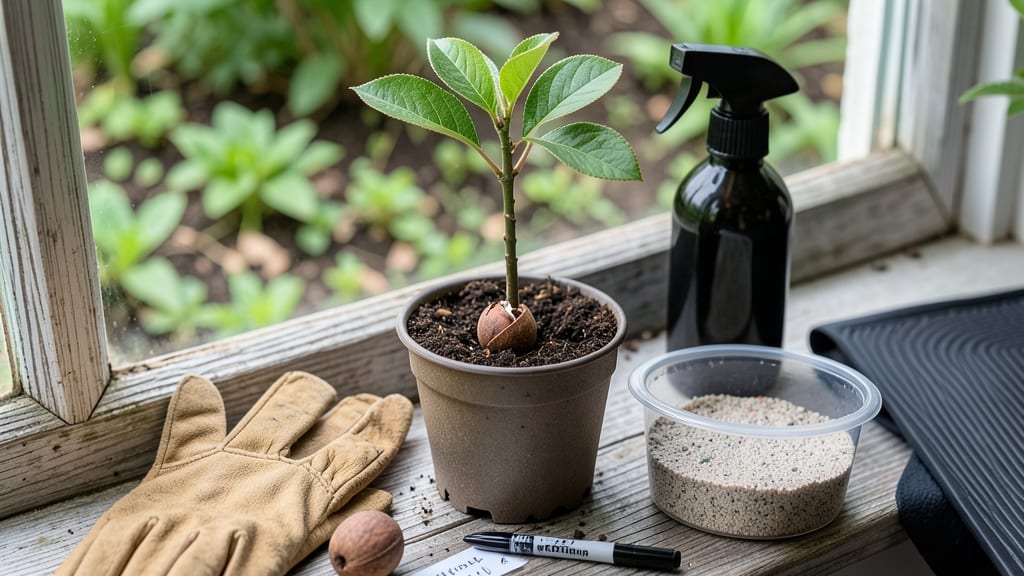
Growing an apricot tree from a pit is the ultimate patience test—three years until fruit, but the reward is a tree with roots in your own backyard. 🌱 I’ve tried this twice, and while it’s not as fast as buying a grafted sapling, there’s something magical about watching a seedling you nurtured from scratch eventually bear fruit.
The key is mimicking nature’s process: breaking dormancy, giving roots space to establish, and protecting that fragile first growth from everything that wants to eat it.
The first hurdle is getting that pit to sprout.
You’ll need to mimic winter’s chill with 90 days of cold stratification (just pop it in a damp paper towel in the fridge), then a quick scarification (a light sandpaper rub on the hard shell) to trick it into thinking spring has arrived.
Use a well-draining potting mix—equal parts sand, peat, and compost—and plant the pit just half an inch deep. Keep it warm and moist, and within 4-8 weeks, you’ll see a tiny shoot pushing through.
By year three, you’ll have a 6-foot-tall tree with a sturdy trunk, but don’t expect apricots yet—seed-grown trees often take 5-7 years to fruit, and the fruit may not match store-bought varieties. That said, the tree itself will be hardier, better adapted to your climate, and uniquely yours.
The real magic happens when you finally taste that first homegrown apricot, knowing you grew it from a pit you saved from last summer’s snack.
Here’s the catch: seed-grown trees aren’t true to the parent plant, so your ‘Blush’ apricot might turn out tarter or smaller. But if you’re okay with surprises—and who isn’t when it comes to gardening?—this method is foolproof for beginners.
Just be ready to wait, and maybe plant a grafted tree nearby for comparison. The journey’s half the fun, after all.
📚 In This Guide
- What you need
- Instructions
- Tips and common mistakes
- Wrapping up and next steps
What you need
- ● Fresh apricot pit: Use a fully ripe, organic apricot (avoid store-bought if treated with preservatives). You’ll need 1-2 pits per attempt.
- ● Paper towels or damp cloth: A small stack (about 4-6 sheets) for stratification.
- ● Plastic bag or airtight container: A quart-sized ziplock works perfectly for moisture retention.
- ● Small pots (3-4 inches in diameter): 2-3 pots with drainage holes, filled with seed-starting mix or a blend of 50% peat moss and 50% perlite.
- ● Spray bottle: For gentle watering (avoid soaking the soil).
- ● Grow lights or sunny windowsill: A south-facing window or LED grow light (12+ hours/day) for seedlings.
- ● Patience! Apricot trees from pits can take 3-5 years to bear fruit—so keep your expectations realistic.
- ○ Rooting hormone: Speeds up germination (optional but highly recommended for stubborn pits).
- ● Heating mat: Keeps soil warm (70-80°F) to encourage faster sprouting.
- ● Larger nursery pots (1-gallon size): For transplanting seedlings before outdoor planting.
- ● Mulch (straw or wood chips): Protects young trees from temperature swings once planted outdoors.
- ● Pruning shears: For shaping the tree as it grows (sterilize with rubbing alcohol!).
Step-by-step instructions for growing an apricot tree from a pit
Here's how I turn a simple apricot pit into a thriving tree—no nursery needed.
🌱 Step 1: Prep the Pit for Planting
Start by soaking the apricot pit in lukewarm water for 24 hours—this softens the hard outer shell and kickstarts germination. I use a small glass jar with enough water to fully submerge the pit. The water should feel slightly warm to the touch, like a cup of tea.
After soaking, gently rub the pit between two paper towels to remove the fleshy coating. This prevents mold from forming around the seed. Place the clean pit between two damp paper towels, fold them over, and store in a sealed plastic bag. Check daily—keep the towels moist but not soggy. You'll see a tiny root emerge in 7-14 days.
🪴 Step 2: Plant the Germinated Pit
Once the root reaches about 1 inch long, it's time to plant. Fill a small pot (3-4 inches deep) with well-draining potting mix—I mix regular potting soil with 20% perlite to prevent rot. Make a small hole in the center, about 1 inch deep, and place the pit root-down.
Cover the pit with soil, leaving the top half exposed. Water lightly until the soil feels damp but not wet. Place the pot in a warm spot (65-75°F) with bright, indirect light. A sunny windowsill works, but avoid direct midday sun, which can scorch the delicate sprout. You'll see the first true leaves appear in 2-4 weeks.
☀️ Step 3: Care for the Sapling Through Early Growth
When the sapling reaches 6 inches tall, transplant it into a larger pot (8-10 inches deep) or directly into the ground if temperatures stay above 50°F at night. Apricot trees thrive in full sun (6+ hours daily), so choose a spot with morning sun and afternoon shade if you're in a hot climate.
Water deeply once a week, letting the top 2 inches of soil dry out between waterings. Overwatering is the #1 killer of young trees—yellowing leaves or wilting mean you're watering too much. In the first year, fertilize lightly with a balanced 10-10-10 fertilizer every 6 weeks to encourage strong root growth.
⏰ Step 4: Prune and Protect for Long-Term Success
By year two, your sapling will need pruning to shape its structure. In late winter or early spring, cut back any dead or crossing branches with clean, sharp pruners. Remove no more than 20% of the tree at once—this prevents stress. Apricot trees are sensitive to frost, so protect young trees with a lightweight frost cloth if temperatures dip below 25°F.
Patience is key—it takes 3-5 years for a pit-grown apricot tree to bear fruit, but the reward is worth it. The first blossoms may not produce fruit, but each year after, you'll get more. Thin fruit clusters to 6-8 apricots per branch to ensure larger, sweeter fruit. Watch for pests like aphids and treat with neem oil if needed—organic solutions work best for young trees.
Tips & tricks for growing an apricot tree from a pit
Real talk: The difference between a thriving apricot tree and a failed experiment often comes down to these small details.
Germination Game-Changer: After soaking the pit for the full 24 hours, I learned the hard way that using room-temperature water works better than cold. Cold water can shock the seed and delay germination. If you're impatient and see no root after 14 days, gently check by peeling back the paper towels—sometimes roots grow sideways.
Soil Mix Matters: The 20% perlite in your potting mix isn't just for drainage—it prevents the classic "drowning" problem that kills so many seedling trees. If you don't have perlite, coarse sand works in a pinch, but avoid fine sand which can compact. Pro tip: Sterilize your potting mix by baking it in the oven at 200°F for 30 minutes to kill any fungal spores before planting.
Lighting Strategy: That bright, indirect light requirement is non-negotiable. A south-facing window is ideal, but if your space is dim, supplement with a grow light for 12-14 hours daily. I've seen seedlings stretch toward weak light and become leggy—this weakens the stem before it even gets a chance to grow strong. Rotate the pot weekly so all sides get equal light exposure.
Transplant Timing: When you're ready to move your 6-inch sapling to its permanent home, do it on a cloudy day or in the evening. This reduces transplant shock from sudden sun exposure. Water thoroughly before and after moving, and keep the tree in partial shade for its first week in the ground. The 50°F nighttime minimum is critical—colder temps can stunt root growth permanently.
Pro Tips for Grow Apricot Tree From A Pit
- Real talk: The difference between a thriving apricot tree and a failed experiment often comes down to these small details.
- Germination Game-Changer: After soaking the pit for the full 24 hours, I learned the hard way that using room-temperature water works better than cold.
- Soil Mix Matters: The 20% perlite in your potting mix isn't just for drainage—it prevents the classic "drowning" problem that kills so many seedling trees.
Frequently asked questions
Got questions about growing an apricot tree from a pit?
Here are the answers to some of the most common ones—because even the best gardeners need a little guidance!
How long does it take for an apricot pit to sprout?
Patience is key! Most apricot pits take 4 to 8 weeks to sprout after stratification (the cold treatment). Some may take longer, especially if the pit is old or the conditions aren’t ideal. Keep the soil moist and warm (around 70°F) to encourage faster germination.
Can I grow an apricot tree from a pit indoors?
Start the pit indoors in a small pot with well-draining soil. Place it in a sunny spot (or under grow lights) and keep the soil moist. Once sprouted, let it grow for a few months before transplanting outdoors after the last frost. Just be ready to move it to a permanent outdoor spot when it’s strong enough!
Will my homegrown apricot tree produce fruit?
Not always! Many apricot trees grown from pits won’t bear fruit for 5 to 10 years (or ever), especially if they’re not grafted onto a compatible rootstock. For reliable fruit, consider grafting a known apricot variety onto your seedling later. If you’re lucky, you might get a few wild apricots—but don’t expect supermarket-quality fruit!
What’s the best time of year to plant an apricot pit?
The best time to plant a stratified apricot pit is in early spring, after the last frost when soil temperatures are consistently above 50°F. If you’re starting indoors, you can plant the pit anytime, but outdoor planting in spring gives it the best chance to establish roots before summer heat. Avoid planting in fall—you risk the young seedling freezing.
Why isn’t my apricot pit sprouting?
There are a few common reasons: insufficient cold stratification (try refrigerating it longer), dry soil (keep it consistently moist), or old/viable pit (some pits lose viability over time). If the pit is floating or rotting, it’s likely bad—start fresh with a new one! Also, ensure it’s planted pointy-side down (the root end).
Can I grow an apricot tree from a store-bought apricot?
Yes! Just make sure the apricot is fresh and organic (non-organic pits may have chemical residues). Rinse the pit thoroughly, remove the flesh, and follow the stratification steps. Bonus: Heirloom or local varieties often yield the best results for homegrown trees!
Wrapping up and next steps
Growing an apricot tree from a pit is a rewarding journey that blends patience with the joy of nurturing life.
With the right care—like proper stratification, well-draining soil, and consistent sunlight—you’ll soon watch those delicate blossoms transform into sweet, juicy fruit. Don’t let the wait discourage you! Every seedling step is progress toward a thriving tree and a harvest you’ll proudly share.
Now that you’re armed with knowledge, take the next step: find that perfect pit, grab your tools, and start your apricot adventure today! 🌱✨