
How To
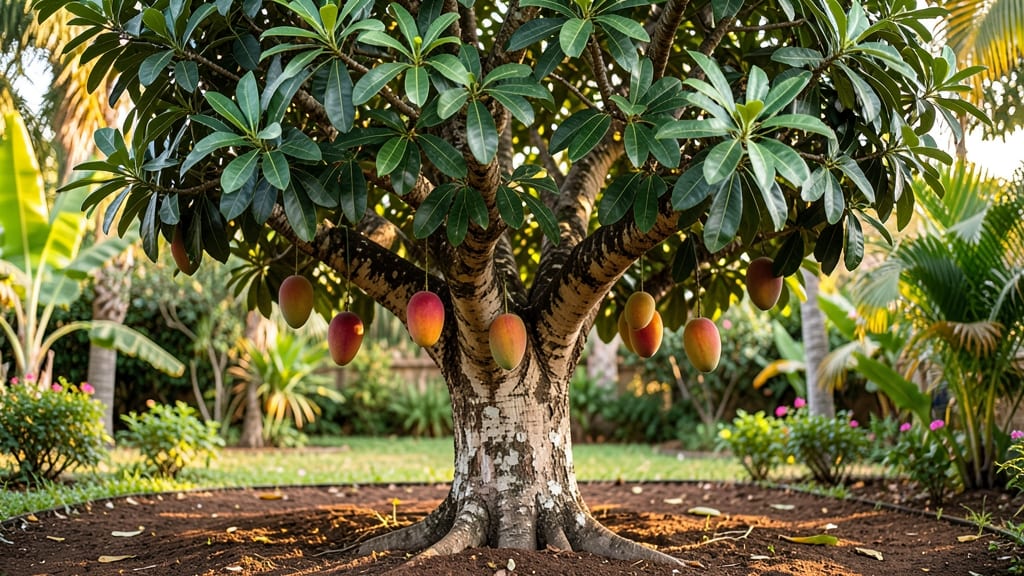
A mango tree can grow anywhere from 20 to 100 feet tall, depending on the variety and growing conditions—making it one of the most dramatic tropical trees you can plant.
Dreaming of a tropical paradise in your backyard? Mango trees aren’t just fruit-bearing giants—they’re stunning landscape features that can dwarf your property or fit neatly into small spaces, depending on the variety.
If you’re wondering whether a 10-foot dwarf or a 60-foot standard variety is right for you, the answer depends on your climate, space, and long-term care plan. Some varieties stay compact, while others reach heights that rival a three-story building.
Below, I break down the height ranges by variety, how fast they grow, and the simple tricks to control their size—so you can enjoy sweet mangoes without sacrificing your yard (or your sanity).


Mango tree height by variety: from dwarf to towering giants
Choosing the right mango tree variety depends entirely on your space and climate goals. Some varieties grow as towering giants reaching 100 feet, while others stay compact at just 3 feet tall.
The key difference? Grafting techniques and rootstock selection. For example, the Cogshall mango stays under 15 feet when properly grafted, while the Keitt mango can soar to 80 feet without control.
Your USDA zone also plays a critical role—some dwarf varieties thrive in Zone 9b, while tropical giants need Zones 10-12. I’ll cover the 10 most popular varieties, their mature heights, and ideal growing conditions to help you pick the perfect fit for your yard or container garden.