
How To
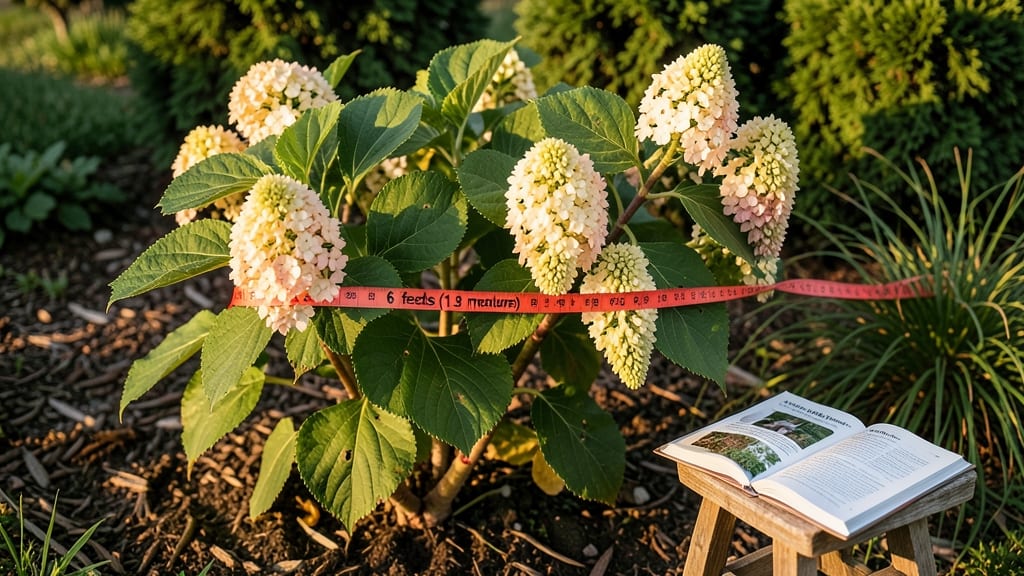
Hydrangea trees grow between 3 and 15 feet tall, depending on the variety and how you prune them—so yes, they can fit in small spaces if you know the right tricks.
If you’re dreaming of a lush, flowering hydrangea tree but worried it might outgrow your yard, you’re not alone—many gardeners struggle to balance beauty and space. The good news? With the right pruning techniques, you can keep your hydrangea tree at your desired height without sacrificing those stunning blooms.
Some varieties, like the compact Hydrangea arborescens 'Annabelle,' max out at just 3 to 5 feet, while others, like Hydrangea paniculata 'Limelight,' can tower up to 12 feet or more. Sunlight, soil, and pruning habits play a huge role in how tall they grow—and how fast.
In this guide, I’ll break down the height ranges by variety, share the best pruning secrets to control growth, and even reveal 5 unexpected ways to keep your hydrangea tree compact beyond just cutting back branches.


Natural height ranges of hydrangea trees: what to expect by variety
Choosing a hydrangea tree for your yard means balancing dramatic blooms with space constraints. Some varieties reach towering heights of 15 feet, while others stay compact at just 3 feet—all while producing show-stopping flowers.
The key lies in understanding each variety’s natural growth habit and how your climate conditions influence their size.
For example, Hydrangea paniculata (like 'Limelight') can grow 10-15 feet tall in ideal conditions, while Hydrangea arborescens (like 'Annabelle') typically maxes out at 3-5 feet. Even within the same species, dwarf varieties exist to fit smaller spaces.
Let’s break down the height expectations for the top 5 hydrangea trees and what affects their growth.
Sunlight exposure plays a huge role—too much direct sun can stretch stems and make plants leggy, while partial shade keeps them bushier. Similarly, rich, acidic soil fuels faster growth, while poor drainage can stunt development. Your USDA hardiness zone also matters: colder climates may slow growth, while warmer zones encourage rapid vertical expansion.
If you’re working with limited space, opt for Hydrangea arborescens or its dwarf varieties, which thrive in containers or along fences. For bold vertical interest, Hydrangea paniculata varieties like 'Limelight' create dramatic backdrops—just be prepared for their aggressive growth if unchecked.
Even standard-sized hydrangeas can be pruned to shape, but timing matters: cut back old wood bloomers (like oakleaf hydrangeas) after flowering, while new wood bloomers (like paniculata) benefit from late-winter pruning.
Soil acidity also affects height—lower pH levels (below 6.0) encourage blue flowers and compact growth, while higher pH (above 7.0) shifts blooms to pink and may stimulate taller stems. Test your soil and amend with sulfur or lime as needed to fine-tune both color and size.
In container growing, root-bound plants grow slower but may need annual repotting to prevent stunted development.
Climate zones further shape height: in Zone 5 or colder, hydrangeas grow more slowly due to shorter growing seasons, while Zone 8+ climates can
Pruning secrets to control hydrangea tree height: when, how, and why it works
Pruning your hydrangea tree isn’t just about keeping it tidy—it’s the secret weapon for controlling its height while ensuring abundant blooms. The key lies in understanding when to prune and how to cut based on your variety.
For example, Hydrangea paniculata (like 'Limelight') thrives with aggressive summer pruning, while Hydrangea arborescens (like 'Annabelle') blooms on old wood and needs gentle winter cuts. Timing and technique make all the difference!
Many gardeners make the mistake of pruning at the wrong time—like cutting back blooming stems in late summer—which can eliminate next year’s flowers. Others over-prune, leaving their hydrangea stressed and stunted.
The solution? A strategic approach tailored to your specific hydrangea type and growth goals. Let’s break down the exact steps to keep your tree at your desired height.
The best time to prune depends on your hydrangea’s blooming habit. For new wood bloomers (like Hydrangea paniculata), prune in late winter or early spring before new growth starts. This encourages vigorous, bushier growth and larger blooms.
In contrast, old wood bloomers (like Hydrangea arborescens) should only be pruned right after flowering—never in winter—to preserve next year’s buds.
When pruning, always use clean, sharp tools like bypass pruners or a pruning saw for thicker branches. Start by removing dead or diseased wood first, then cut back overgrown branches to your desired height.
For a more compact shape, aim to reduce branches by 1/3 of their length—never more than that—to avoid shocking the plant. Always cut just above a leaf node or outward-facing bud.
Avoid these common pruning mistakes that can harm your hydrangea: cutting into old wood on varieties that bloom on it, pruning too late in the season (after July 1st), or leaving stubs that can rot.
Instead, focus on selective thinning to improve airflow and light penetration. This not only controls height but also reduces pests and diseases while encouraging stronger growth.
For maximum height control, combine pruning with annual fertilizing in early spring and consistent watering (deep soaks once a week). Mulch around the base to retain moisture and regulate soil temperature.
With these techniques, you can keep your hydrangea tree at a manageable height—whether that’s a 3-foot dwarf or a 6-foot statement piece—while still enjoying show-stopping blooms year after year.