
How To
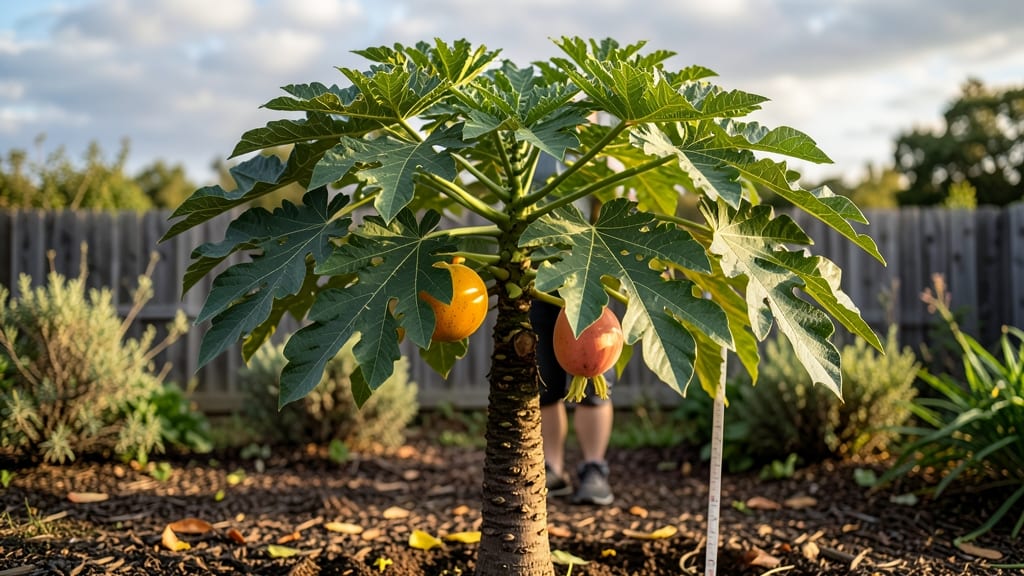
Papaya trees can grow anywhere from 10 to 30 feet tall—taller than most backyard fences—depending on the variety and growing conditions. 🍈 If you’re imagining a compact fruit tree that fits neatly in a pot, think again: some standard types stretch toward the sky like a tropical skyscraper, while others stay manageable with the right care.
But here’s the twist: dwarf varieties don’t exist for papayas, so height control comes down to pruning, climate, and even container size. In USDA Zones 10-11, where these trees thrive year-round, unpruned plants can reach their full 20-30-foot potential, while cooler microclimates or container gardening can keep them shorter.
Whether you’re planning a backyard orchard or a balcony garden, understanding these growth patterns is key. Below, I’ll break down how variety, pruning, and your local climate work together to shape your papaya’s height—and how to work with (or around) its natural growth habits.
You’ll also discover practical spacing tips, when to prune for compact growth, and whether you’ll need a ladder (or a sturdy trellis) to harvest those sweet, sun-ripened fruits. Let’s get started.


Papaya tree height by variety: from dwarf to giant varieties
Papaya trees (Carica papaya) are tropical wonders that can dramatically vary in height depending on the variety you choose. While most mature trees reach 10-20 feet, some varieties can soar to 30 feet or more under ideal conditions.
Understanding these differences helps you select the perfect papaya for your space—whether you have a sprawling backyard or a cozy balcony. Let’s explore the height ranges of popular varieties and what they mean for your garden.
Most papaya trees fall into three general height categories: dwarf varieties (under 10 feet), medium-height types (10-20 feet), and tall giants (20+ feet). The SunUp and Solo varieties are often recommended for home gardeners because they strike a balance between manageable size and productivity.
Meanwhile, varieties like Red Maradol can grow significantly taller, requiring more space and support. Let’s break down the specifics so you can plan accordingly.
The SunUp variety is one of the most popular choices for home gardeners because it stays relatively compact at 8–12 feet. This makes it ideal for smaller yards or even large containers, as long as you provide a sturdy support structure for the fruit.
Its bushy growth habit also means it produces fruit closer to the ground, reducing the need for ladders. If you’re growing papayas in containers, SunUp is often the go-to variety because it won’t outgrow your space too quickly.
On the other end of the spectrum, the Red Maradol variety can reach 20–30 feet, making it more suitable for large tropical gardens or agricultural settings.
This variety is prized for its sweet, red-fleshed fruit, but its height means you’ll need to plan for ample spacing and support. If you’re growing Red Maradol in your backyard, consider planting it near a fence or wall to provide natural support as it grows taller.
Without proper support, the branches can become top-heavy and prone to breaking under the weight of the fruit.
For gardeners with limited space, the Solo variety offers a great middle ground, typically reaching 10–15 feet at maturity. It’s a favorite among urban gardeners because it’s faster-growing than SunUp but still manageable in a backyard setting.
Solo papayas also produce fruit earlier than many other varieties, often within 6–9 months of planting. This makes them a practical choice if you’re eager to harvest but don’t have room for a towering tree.
If you’re growing papayas in containers, even the taller varieties can be managed with the right techniques. For example, the Kapoho Solo variety, which grows 12–18 feet, can be pruned regularly to keep it within container limits.
However, be cautious—over-pruning can reduce fruit production. Instead, focus on root restriction and regular harvesting to encourage a more compact growth habit. Always use a large container (at least 20 gallons) with drainage holes to prevent root rot.
When planning your papaya garden, remember that height isn’t the only factor to consider. The spread of the canopy also matters, especially for varieties like Red Maradol, which can develop a wide, heavy canopy. Always space trees according to their mature size to ensure proper airflow and sunlight penetration.
In tight spaces, consider trellising or espalier techniques to guide the tree’s growth vertically rather than horizontally, saving space without sacrificing yield.
For indoor growers in cooler climates, dwarf varieties (though rare in papayas) or heavily pruned standard varieties can thrive in large pots near south-facing windows. However, even indoor papayas will need supplemental grow lights to mimic the 12+ hours of daylight they require for optimal growth
How climate zones affect papaya tree growth height
Papaya trees thrive in tropical and subtropical climates, but their growth height varies dramatically based on your USDA hardiness zone. In their native Zones 10-11, these trees can reach 20-30 feet tall, while in cooler zones like Zone 9b, they may stay shorter unless given special care.
Understanding these climate impacts helps you plan for support structures, pruning, and even indoor growing.
In tropical climates (Zones 10-11), papaya trees grow aggressively, often reaching their maximum height of 30 feet within 3 years. The warm, humid conditions encourage rapid vertical growth, but they also require sturdy support like bamboo stakes or trellises to prevent falling.
Without proper support, branches can snap under the weight of heavy fruit like the Red Maradol variety.
If you live in Zone 9b, your papaya tree’s height will depend on how well you protect it from light frosts. Even a single frost can kill young trees, so growing them in containers and moving them indoors during winter is common.
Without frost protection, trees may struggle to exceed 10-15 feet, as their energy focuses on survival rather than vertical growth.
Humidity plays a critical role in papaya height. High humidity (like in Florida or Hawaii) fuels rapid growth, while dry climates (even in Zone 10) can stunt trees to 15 feet or less.
I’ve seen papayas in arid zones grow slower unless I use drip irrigation to maintain soil moisture. A simple mulch layer can also help retain humidity near the roots.
For indoor papaya trees, height is much more manageable—typically 6-10 feet—but requires pruning to encourage bushier growth. Without pruning, indoor trees can become leggy and top-heavy, risking falls. I recommend pinching back the top growth when the plant reaches 4-5 feet to promote lateral branches and fruit production.
No matter your climate, pruning is key to controlling height. In tropical zones, I prune aggressively to shape the tree and improve airflow, reducing disease risk. In cooler zones, pruning helps redirect energy toward fruit production rather than excessive height. Just avoid over-pruning—this can stress the tree and reduce yields.
With the right care, even gardeners in Zone 9b can grow papayas, though they’ll never reach the towering heights of tropical varieties. Focus on protection from cold, consistent moisture, and pruning to guide growth.
Whether you’re in a warm microclimate or a container on your patio, papayas can thrive—and with patience, you’ll enjoy homegrown fruit from a tree that fits your space. 🌱