
Pruning
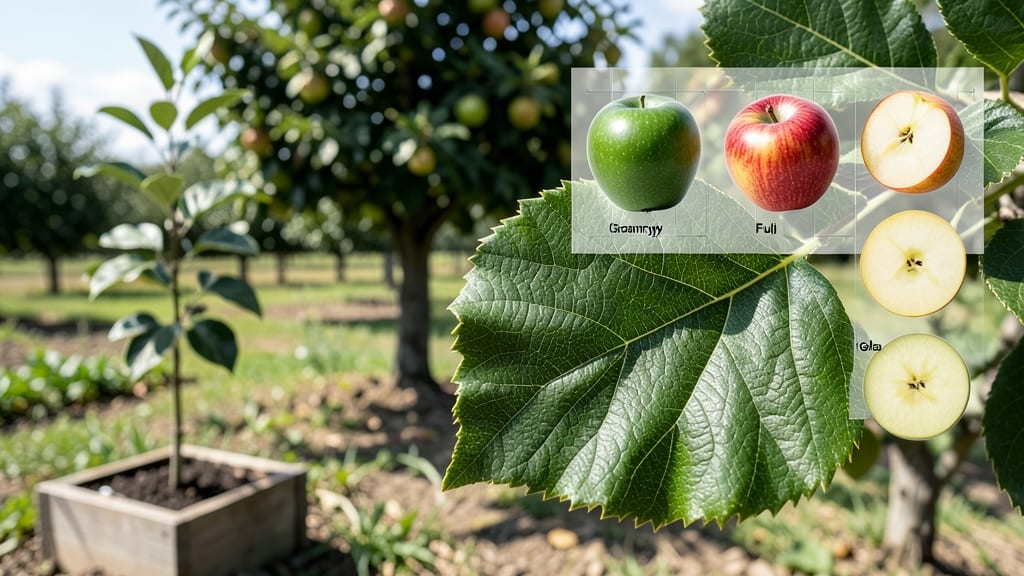
How to identify an apple tree variety hides in plain sight—leaf shape, fruit color, and bark texture hold all the clues you need. 🍏 I spent years mistaking my Granny Smith for a Honeycrisp until I learned to read these subtle signals, and now I can spot varieties just by walking past them in an orchard. Start with the leaves: lobed edges, serrated teeth, and the way they curve all point to specific types. A Honeycrisp’s leaves are broad with shallow lobes, while a Fuji’s are narrower and more pointed. Compare them side by side with a reference guide or take rubbings to study the vein patterns up close. Fruit color isn’t the only giveaway—shape, size, and even the stem’s attachment tell the story. A McIntosh’s skin is red with yellow patches, while a Gala’s blushes pink. The skin’s texture (smooth, bumpy, or russeted) and the way the fruit sits on the branch also matter. For absolute certainty, combine visual clues with local expertise: ask nurseries, visit orchards, or use apps like PlantNet to upload photos. The more you practice, the easier it gets—soon you’ll be identifying varieties faster than you can pick an apple!
📚 In This Guide
- What you need
- Instructions
- Tips and common mistakes
- Wrapping up and next steps
What you need
- ● Digital camera or smartphone – For high-quality photos of leaves, fruit, and bark (at least 10-15 MP for clarity).
- ● Ruler or measuring tape – To measure leaf length, width, and fruit diameter (preferably a 12-inch tape measure).
- ○ Magnifying glass (optional but helpful) – For inspecting fine details like leaf texture, hairiness, or fruit lenticels (a 10x magnification works well).
- ● Notebook or field guide – To jot down observations (a spiral-bound notebook or digital notes app).
- ● Pruning shears (sterilized) – To safely collect small leaf or fruit samples if needed (bypass pruners with 4-6 inch blades).
- ● Gloves (nitrile or latex) – To protect your hands from sap, thorns, or pesticides (size medium or large).
- ● Apple variety identification book or app – For cross-referencing your findings (e.g., “The Apple Grower’s Guide” or the National Fruit Collection app).
- ● Hand lens with light – For better visibility of tiny details under low light.
- ● Color chart or swatch book – To compare fruit/leaf hues accurately (e.g., Pantone color guides).
- ● Tree identification field guide – Focused on apple varieties (e.g., “Apples of North America”).
- ● Weatherproof bag – To collect fallen leaves or fruit samples for later analysis.
- ● Local orchard contacts – Reach out to nearby farms for expert advice or sample comparisons!
Step-by-Step guide to identifying apple tree variety
Here's how I break down the process—focus on these key visual clues to narrow down your apple tree's identity.
🌿 Step 1: Examine Leaf Shape and Size
Start by collecting 3-4 healthy leaves from different parts of the tree. Apple leaves vary dramatically by variety, so note the overall shape—some are oval with pointed tips, while others have rounded edges or serrated teeth. Measure the length: 2-4 inch leaves are common, but varieties like 'Granny Smith' often have broader, 4-6 inch leaves with a distinctive waxy texture.
Look at the leaf's underside too. Some varieties, like 'Honeycrisp', have a slightly fuzzy coating, while others like 'Fuji' are smooth. The color of new growth can also help—bright red or burgundy leaves often indicate varieties bred for ornamental value, such as 'Red Delicious' or 'Ambrosia'.
🍎 Step 2: Study Fruit Color and Skin Texture
Examine both ripe and unripe fruit. The skin color is one of the most reliable clues—bright red often points to 'Red Delicious' or 'Gala', while yellow-green suggests 'Granny Smith' or 'Golden Delicious'. Some varieties, like 'Pink Lady', develop a pink blush as they ripen, while others like 'McIntosh' stay uniformly red.
Pay attention to the skin's texture too. Smooth, thin skin often belongs to modern varieties like 'Honeycrisp', while thicker, slightly rough skin may indicate heirloom types. If the fruit has a waxy coating, it's likely a commercial variety bred for long storage.
🌳 Step 3: Observe Tree Growth Habits and Fruit Shape
Take note of the tree's overall shape—some varieties grow upright and narrow, while others spread wide and low. 'Granny Smith' trees tend to be compact, while 'Fuji' can grow quite tall. The fruit's shape is another key detail: round apples like 'McIntosh' contrast with elongated varieties like 'Rome Beauty'.
Check the fruit's size too. 2-3 inch apples are typical for many varieties, but some, like 'Cox's Orange Pippin', stay small (1.5-2 inches), while others like 'Gala' can reach 3-4 inches. If the fruit has a distinctive star-shaped pattern when cut, it's likely a 'Cortland' or 'McIntosh'.
📝 Step 4: Cross-Reference with Local Variety Databases
Once you've gathered your observations, compare them to local apple variety databases or gardening guides. Many state agricultural extensions publish detailed descriptions of common regional varieties. For example, 'Jonathan' apples are known for their deep red skin and tart-sweet flavor, while 'Empire' has a striped red-and-yellow skin.
If you're still unsure, take clear photos of the leaves, fruit, and tree structure, then consult a local orchardist or horticulturist. They often recognize varieties based on subtle details that aren't in guidebooks. I've identified several of my own trees this way—sometimes the clues are in the leaf veins or fruit stem shape that aren't obvious at first glance.
⏰ Step 5: Time Your Observations for Best Results
Visit the tree at different times of year for a full picture. Spring leaves reveal the tree's growth habits, while summer fruit shows ripening patterns. In fall, the fruit's final color and size become most distinct. If you're identifying a young tree, note whether it flowers early or late—some varieties bloom as early as late April, while others wait until May.
Here's the thing—some varieties share traits, so you might narrow it down to two or three possibilities. That's where taste comes in: if you can sample the fruit, note its flavor profile. Sweet-tart with crisp texture? Likely a 'Honeycrisp'. Tart with a hint of spice? Probably a 'Granny Smith'.
Tips & tricks for identifying apple tree variety
These little details make all the difference when you're trying to pinpoint exactly which apple variety you've got growing in your yard.
Leaf Underside Clues: I can't stress enough how important it's to check the underside of those 3-4 leaves you collect. The fuzzy coating on 'Honeycrisp' leaves is so distinctive that once you notice it, you'll spot it everywhere. For smooth varieties like 'Fuji', look for subtle vein patterns that might be more pronounced than you'd expect. That waxy texture on 'Granny Smith' leaves? It's like nature's way of telling you "I'm special."
Fruit Stem Shape Matters: Here's what nobody tells you—pay attention to the stem where the apple attaches to the branch. Some varieties like 'McIntosh' have a distinctive star-shaped pattern when you cut through the stem. Others, like 'Rome Beauty', have a more rounded attachment point. I've identified trees just by this detail when all other clues were confusing.
Seasonal Timing Strategy: That late April to May blooming window in Step 5 is your golden opportunity. Early bloomers like 'Red Delicious' often have slightly larger flowers, while late bloomers like 'Fuji' tend to have smaller, more clustered blossoms. I always make a note of when my trees bloom because it's one of those subtle clues that can break a tie between similar-looking varieties.
Taste Test Technique: If you can sample the fruit, here's my pro move: cut the apple in half and examine the flesh color. 'Honeycrisp' has a distinctive creamy white flesh, while 'Granny Smith' stays pale green even when ripe. The flavor profile matters too—tart with a hint of spice usually means 'Granny Smith', while sweet-tart with a crisp bite is your 'Honeycrisp' giveaway.
Pro Tips for Identify Apple Tree Variety
- These little details make all the difference when you're trying to pinpoint exactly which apple variety you've got growing in your yard.
- Leaf Underside Clues: I can't stress enough how important it's to check the underside of those 3-4 leaves you collect.
- Fruit Stem Shape Matters: Here's what nobody tells you—pay attention to the stem where the apple attaches to the branch.
Frequently asked questions
Got questions about spotting apple tree varieties? You’re not alone! Here are some of the most common queries—and their answers—to help you nail down that elusive tree in your yard or orchard.
How can I tell if my apple tree is young or mature based on its leaves?
Young apple trees often have smaller, softer leaves with a lighter green hue, while mature trees boast larger, thicker leaves with deeper veins and a glossier finish. Look for bud scars on branches—older trees have more pronounced, layered scars from past growth cycles.
What’s the best time of year to identify apple tree varieties?
Late summer to early fall is ideal! This is when fruit is fully colored, leaf patterns are clear, and trees are in peak health before winter dormancy. Avoid spring (when leaves are fuzzy) or winter (when branches are bare). Pro tip: Take photos in morning light for the most accurate color representation.
My apple tree has no fruit—can I still identify it?
Focus on leaf shape, bark texture, and branch patterns. For example, Granny Smith leaves are elongated with serrated edges, while Fuji trees have glossy, rounded leaves. Compare your findings to a tree identification guide or consult a local nursery expert.
What if my apple tree looks like a crabapple? How do I tell the difference?
Crabapples are smaller (usually under 2 inches wide) with tart, inedible fruit and thinner, more delicate branches. True apple trees have thicker trunks, larger fruit, and broader canopies. Check for honeycombed bark (common in mature apple trees) or ask a local extension office for a second opinion.
Should I take photos or collect samples to identify my tree?
Photos are your best friend! Capture close-ups of leaves, fruit (if available), and bark in natural light. For tricky cases, collect a leaf sample in a paper bag (not plastic!) and bring it to a nursery or university extension service. Avoid damaging the tree—just snap and compare!
Wrapping up and next steps
Identifying your apple tree variety doesn’t have to be a challenge—just pay attention to leaf shape, fruit color, and growth habits! 🍏 With the right clues, you’ll unlock a world of flavors and care tips tailored to your tree.
Now that you’re equipped with the knowledge, why not take action?
🌱 Next Steps:
- Snap a photo of your tree’s leaves and fruit, then compare them to online databases or local orchard guides.
- Ask a local expert—extension offices or gardening clubs can confirm your variety and offer pruning advice.
- Start pruning with confidence now that you know what you’re working with!
Your apple tree’s secrets are waiting—go uncover them! 🌿