
How To
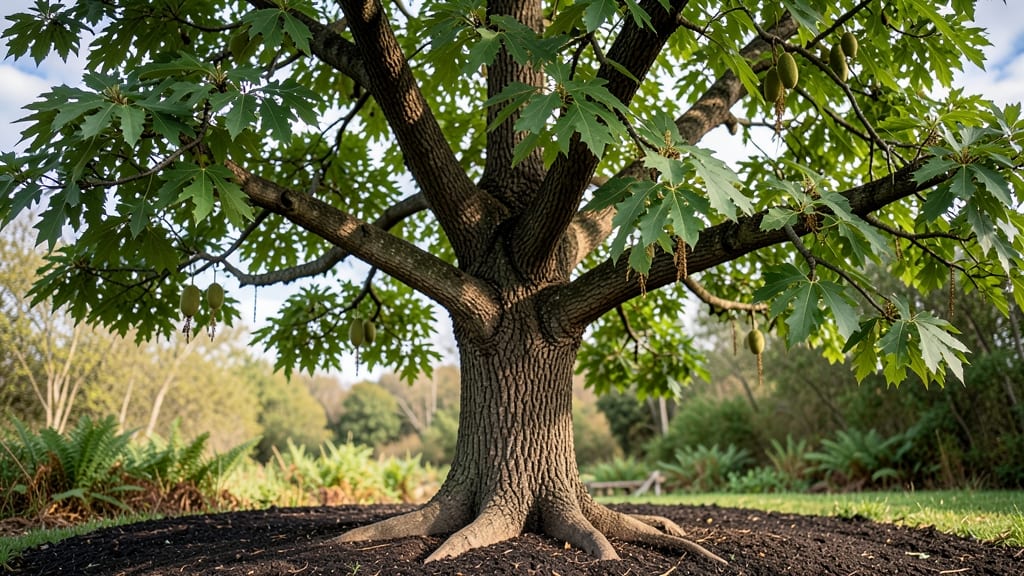
Walnut tree height by species: from towering giants to compact dwarfs
Walnut trees are often thought of as space-hogging giants, but the truth is far more exciting for gardeners with limited space. While some varieties can reach 100+ feet in ideal conditions, others stay under 30 feet—perfect for urban yards or small backyards.
The key lies in choosing the right species and cultivar, as well as understanding their growth rates and space requirements.
English walnut trees (Juglans regia) and black walnut trees (Juglans nigra) are the most common, but their mature heights vary dramatically. English walnuts typically grow 50-75 feet tall, while black walnuts can soar to 75-130 feet in the wild.
However, through careful selection of dwarf or semi-dwarf varieties, you can enjoy walnut harvests without sacrificing your garden layout.
Below is a breakdown of how tall different walnut species grow at maturity, including their growth rates and ideal spacing. This will help you decide which variety fits best in your garden—whether you have plenty of room or just a small corner to work with.
If you’re working with a limited space, dwarf varieties like 'Thomas' or 'Winterheart' are game-changers. These trees grow just 15–35 feet tall and produce high-quality nuts without dominating your yard. Even their growth rates are slower, making them easier to manage with regular pruning.
For larger properties, standard English or black walnut trees thrive with proper spacing. However, be mindful of their aggressive root systems, which can inhibit nearby plants.
Black walnuts, in particular, release juglone, a toxin that harms many garden plants, so keep them at least 50 feet away from vegetables or ornamentals.
When planning your walnut tree’s location, consider both its mature height and canopy spread. Most walnut trees have a spread equal to or greater than their height, so a 50-foot tree might need 70+ feet of clearance.
Always check the specific cultivar’s growth habits—some, like 'Paradox' (a hybrid), stay compact while producing both walnuts and butternuts.
Another factor to consider is your climate zone. Walnut trees grow best in USDA zones 5–9, but their growth rates can slow in colder regions. In warmer climates, they may grow faster but require consistent moisture during their first few years.
Always match the variety to your local conditions for the best results.
For gardeners eager to grow walnuts but hesitant about their size, container growing is an option. Dwarf varieties like 'Thomas' can thrive in large pots (at least 24 inches wide) for 3–5 years before needing to be transplanted. Just ensure the container has drainage holes and use a well-draining
Best space-saving walnut varieties for small gardens (with growing tips)
If you love the idea of harvesting fresh walnuts but lack the space for towering trees, you’re in luck! Many dwarf and semi-dwarf walnut varieties thrive in small gardens while still producing abundant crops.
These compact trees mature at 20-50 feet, making them perfect for urban yards, patios, or even large containers. The key is choosing the right cultivar and providing proper care to maximize your harvest.
My top recommendation for small spaces is the 'Thomas' walnut, a semi-dwarf variety that typically reaches 25-35 feet at maturity. It’s one of the most productive dwarf types, with large, flavorful nuts perfect for snacking or baking.
Another excellent choice is the 'Paradox' walnut, a hybrid that stays around 30 feet tall while offering early ripening and disease resistance—a dream for busy gardeners.
- Standard varieties: 60-130 ft (needs acres!)
- Semi-dwarf varieties: 25-50 ft (ideal for small yards)
- 'Thomas' walnut: 25-35 ft (productive & compact)
- 'Paradox' walnut: 30 ft (early harvest, disease-resistant)
- 'Heartnut' (hybrid): 20-30 ft (smallest option)
For the smallest option, consider the 'Heartnut' walnut, a hybrid that matures at just 20-30 feet. It’s a fantastic choice for container growing or tight spaces, though it may require more frequent pruning to maintain its shape.
All these varieties benefit from well-draining soil and full sun exposure, so choose a sunny spot in your garden where the tree has room to spread its roots without competition.
When planting, dig a hole twice as wide as the root ball but no deeper. Amend the soil with compost to improve drainage, as walnut trees hate soggy roots.
After planting, water deeply to settle the soil and apply a 2-3 inch layer of mulch around the base to retain moisture and suppress weeds. I always prune my dwarf walnuts in late winter to remove dead or crossing branches, which helps maintain their compact shape and improves air circulation.
To boost productivity in small spaces, fertilize your walnut tree in early spring with a balanced 10-10-10 fertilizer. Avoid heavy feeding in fall, as this can encourage late-season growth that’s vulnerable to frost damage.
Regular watering is crucial during the first year, but once established, these trees are surprisingly drought-tolerant. Just be sure to water deeply during dry spells to encourage strong root development.
Harvest time arrives in late summer or early fall, when the husks begin to split open naturally. I always check for firm, fully developed nuts inside—this is your cue to collect them before they fall to the ground.
With proper care, even a small walnut tree can produce enough nuts to share with neighbors, proving that big harvests don’t require big spaces!