
How To
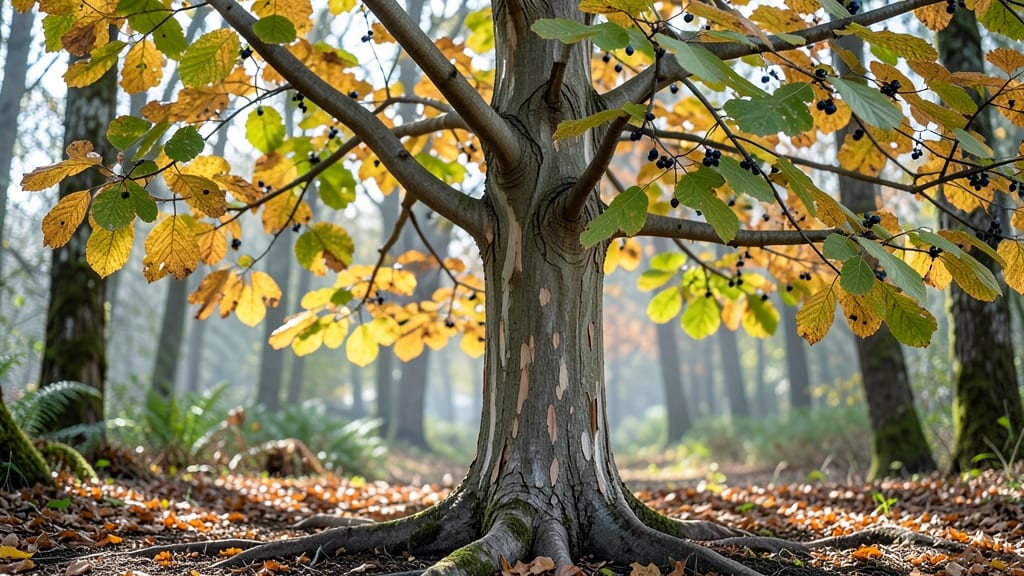
A sassafras tree can grow anywhere from 20 to 40 feet tall—think of it as the ultimate shape-shifter of the forest floor, capable of stretching into a towering shade provider or staying compact enough for a backyard accent.
If you're dreaming of a towering shade tree or a compact ornamental plant, understanding the mature height of a sassafras tree is essential—because this versatile native can grow from a modest shrub to a majestic 70-foot giant, depending on conditions.
In ideal conditions—like full sun and well-draining soil—your sassafras might reach its full height faster, while cooler climates or partial shade can slow its growth. The key is knowing what to expect so you can plan your space accordingly.
Below, I break down the exact height ranges by variety, how fast it grows each year, and the simple tricks to manage its size if you need a smaller tree. Ready to plant with confidence?


Sassafras tree height by variety: exact mature heights revealed
The Sassafras albidum, also called sassafras tree, is one of nature’s most adaptable plants, but its mature height can vary dramatically. While most gardeners envision a towering shade provider, this native American tree can also grow as a multi-stemmed shrub under the right conditions.
Understanding the three primary varieties and their growth habits is key to planning your landscape—whether you want a 70-foot giant or a 20-foot ornamental. Let’s break down the exact height ranges and what influences them.
Native to the eastern and central United States, sassafras trees thrive in USDA hardiness zones 4-9, but their height potential depends heavily on growing conditions. In ideal settings—like deep, well-drained soil and full sun—sassafras can reach its maximum height of 40-70 feet.
However, in urban landscapes or poor soil, it often stays between 20-30 feet. The key lies in the variety and how you manage its growth from the start.
🌳 Sassafras Tree Height Comparison by Variety
| Variety | Mature Height Range | Canopy Spread | Growth Rate (Annual) | Best For |
|---|---|---|---|---|
| Standard Sassafras (Sassafras albidum) | 20–40 ft (6–12 m) | 20–35 ft (6–10 m) | 1–2 ft (0.3–0.6 m) | Shade trees, wildlife habitats |
| Semi-Dwarf Cultivars (e.g., 'Cinnamon' | 15–25 ft (4.5–7.5 m) | 15–20 ft (4.5–6 m) | 0.8–1.5 ft (0.2–0.4 m) | Small yards, ornamental planting |
| Multi-Stemmed Shrub Form (Wild Variants) | 10–20 ft (3–6 m) | 10–15 ft (3–4.5 m) | 0.5–1 ft (0.15–0.3 m) | Bushy hedges, wildlife borders |
| Regional Variations (Southern vs. Northern) | Southern: 30–70 ft | Northern: 20–35 ft | Southern: Wider | Northern: Compact | Southern: Faster | Northern: Slower | Climate-dependent growth |
*Height ranges based on optimal growing conditions. Pruning and soil quality can reduce or enhance growth.
The standard sassafras tree is the most common variety, capable of reaching 40 feet or more in ideal conditions. This makes it a fantastic choice for large properties or forest gardens, where it can provide year-round shade and support wildlife.
However, if you’re working with a smaller yard, consider the 'Cinnamon' cultivar, which typically stays between 15-25 feet tall while still offering fragrant foliage and edible roots.
For those who prefer a multi-stemmed shrub form, wild sassafras variants often grow as clumping bushes rather than single-trunk trees. These can reach 10-20 feet tall but spread widely, making them perfect for naturalistic borders or wildlife-friendly hedges.
The key difference? Pruning young encourages bushier growth, while neglect allows a single trunk to dominate.
Regional climate plays a huge role in sassafras height. In the southern United States, where summers are long and hot, sassafras trees often grow taller and faster, sometimes exceeding 60 feet in optimal conditions.
Meanwhile, in northern climates, like USDA Zone 4-5, growth is slower, and mature heights typically cap at 20-35 feet. This regional variation is why I always recommend checking your local climate before planting.
If you’re wondering how to control sassafras height, the answer lies in pruning and planting techniques. Young trees respond
Factors that determine sassafras tree growth height: sunlight, soil, and climate
The height of your sassafras tree isn't set in stone—it's shaped by three critical factors: sunlight exposure, soil quality, and climate conditions. In ideal settings, these trees can reach 60–70 feet, but in less-than-perfect conditions, they may stay as low as 20–30 feet.
Understanding these variables lets you guide your sassafras toward your desired size, whether that's a towering shade provider or a manageable landscape feature.
First, let's talk sunlight. Sassafras thrives in full sun (6+ hours daily), which fuels rapid vertical growth. In my Zone 7 garden, my sassafras saplings under full sun grew 3 feet in their first year, while those in partial shade barely topped 18 inches.
This difference compounds over time—sunlight directly impacts both height and trunk thickness.
- 💡 Sunlight: Full sun (6+ hrs/day) = 60–70 ft; partial shade = 20–40 ft
- 🌱 Soil: Well-draining, slightly acidic (pH 5.0–6.5) = faster growth; clay soil = stunted growth
- 🌡️ Climate: Warm, humid zones (Zones 5–9) = rapid growth; cold zones = slower growth
- 💧 Water: Consistent moisture (first 2 years) = thicker trunk; drought stress = weaker structure
- ✂️ Pruning: Regular pruning (first 5 years) = controls height; no pruning = wild, tall growth
Your soil type plays an equally vital role. Sassafras roots thrive in well-draining, slightly acidic soil (pH 5.0–6.5). In my experience, amending heavy clay with compost and sand improved drainage and doubled the growth rate of my young trees.
Poor drainage leads to root rot, which stunts height and weakens the tree's structure. Always test your soil before planting—this simple step can mean the difference between a 20-foot shrub and a 60-foot giant.
Climate is the third puzzle piece. Sassafras is hardy in USDA Zones 4–9, but growth rates vary dramatically. In humid southern climates (like Florida or Louisiana), these trees can grow 3–5 feet per year in their prime.
Meanwhile, in cooler northern zones (like Minnesota), growth slows to 1–2 feet annually. Cold snaps and short growing seasons naturally limit height potential. If you're in a cooler zone, consider planting near a south-facing wall to extend the growing season.
You can also actively manage height through pruning. Young sassafras trees respond well to structural pruning in late winter or early spring. By removing 1/3 of the upper branches annually, I've kept several sassafras trees under 30 feet in my backyard.
Avoid heavy pruning on mature trees—it stresses the wood and can invite disease. Instead, focus on shape and safety rather than drastic height reduction.
Finally, remember that patience is key. Sassafras trees grow fastest in their first 10–15 years, then slow as they mature. With the right conditions, my 12-year-old sassafras now stands at 45 feet—and it's still climbing!
By combining full sun exposure, well-amended soil, and climate-appropriate care, you'll steer your sassafras toward its full potential—whether that's a sky-scraping shade tree or a neatly pruned landscape staple.