
Plants
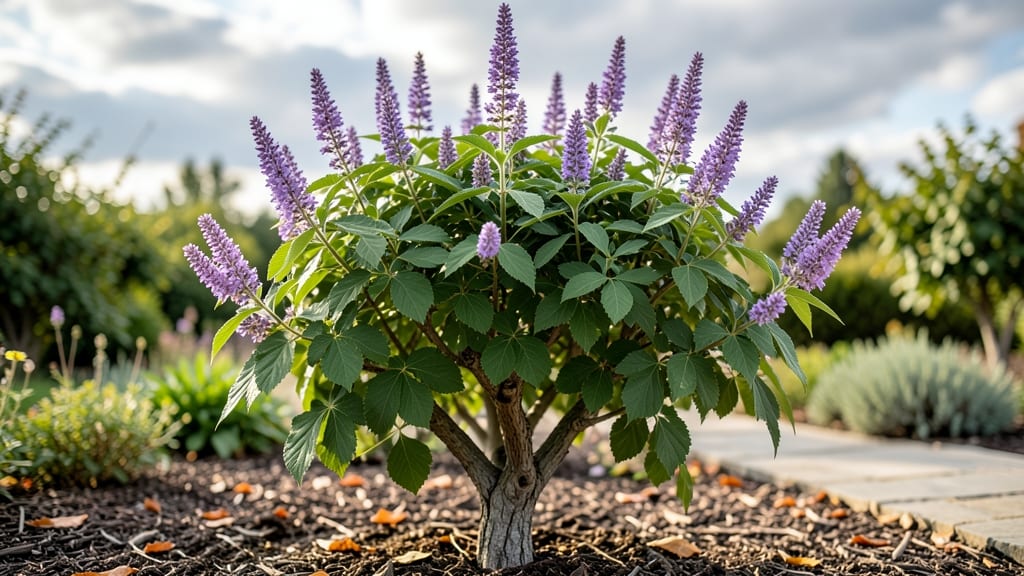
The chaste tree in Spanish is most commonly called agracejo, derived from its botanical name Vitex agnus-castus, though regional variations include hiedra de monje and hierba de los monjes. These names reflect its historical use in monastic medicine and its distinctive foliage.
The name agracejo comes from the Latin agnus castus, meaning "chaste lamb," which ties to its traditional use in herbal remedies for women's health. 🌿 This shrub, native to the Mediterranean, has been prized for centuries in European monasteries for its calming properties.
The Spanish names often reference its historical ties to monastic gardens, where it was cultivated for both medicinal and ornamental purposes.
What makes these names so interesting is how they reflect cultural adaptations. In Mexico, hiedra de monje (monk's ivy) highlights its climbing habit and monastic associations, while hierba de los monjes in Argentina emphasizes its herbal nature. These variations show how the plant's reputation has evolved across Spanish-speaking regions.
💡 In This Article
- Botanical and Historical Origins of Chaste Tree Names
- Regional Variations: Where to Find Each Spanish Name
Botanical and historical origins of chaste tree names
The name agracejo traces directly to the Latin Vitex agnus-castus, where agnus means "lamb" and castus means "chaste."
This botanical term reflects the plant's historical reputation in medieval European herbalism as a remedy for "preserving chastity," though modern science shows its active compounds—like agnuside and aucubin—act primarily on hormonal regulation rather than moral virtue. 🌿 The shrub's aromatic leaves and purple flowers were believed to suppress sexual desire, earning it a place in monastic gardens where monks cultivated it for both medicinal and symbolic purposes.
What's fascinating is how the name agnus-castus evolved linguistically. In Spanish, the Latin agnus became agnejo, then agracejo—a phonetic shift common in Romance languages. The suffix -cejo also appears in other Spanish plants (like algarrobo, or carob), suggesting a pattern of naming shrubs with distinctive foliage.
The plant's scientific classification under Vitex (from the Latin for "flexible," referring to its woody stems) further connects it to the verbena family, known for medicinal properties since ancient Greece.
The chaste tree's historical use in monastic medicine wasn't just symbolic—it had practical applications. Monks documented its use in treating menstrual irregularities and menopausal symptoms in the 12th century, with recipes appearing in texts like De Materia Medica by Dioscorides.
The plant's compounds interact with dopamine and serotonin receptors, explaining its modern use in herbal supplements for PMS relief. This dual role as both remedy and symbol makes agracejo one of the most linguistically and historically rich plants in Spanish-speaking herbal traditions.
Another layer of intrigue comes from the plant's physical characteristics. The chaste tree's opposite, pinnate leaves (with 5-7 leaflets) and fragrant purple flowers create a visual and olfactory profile that likely influenced its names.
In Spanish, hiedra (ivy) in hiedra de monje references its climbing habit, while hierba (herb) in hierba de los monjes emphasizes its medicinal nature. These descriptive elements show how Spanish speakers connected the plant's appearance to its monastic and healing associations.
The chaste tree's journey from monastery to modern herbalism reveals how language and culture preserve botanical knowledge. What started as a Latin name tied to medieval beliefs has evolved into scientific terminology while maintaining its cultural significance.
Today, agracejo appears in both traditional pharmacopeias and contemporary wellness discussions, bridging ancient wisdom with modern science. 🌱