
Size
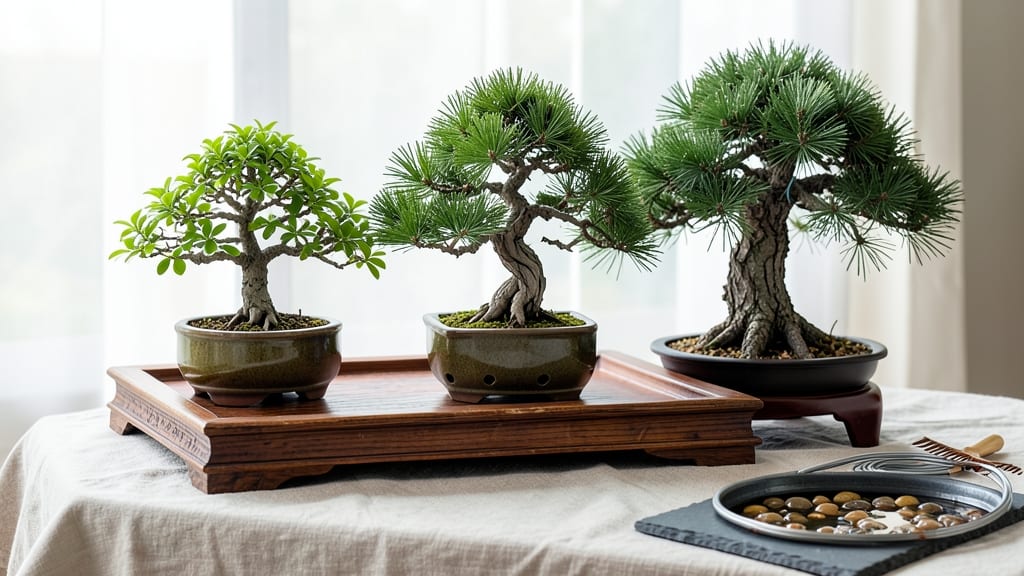
A bonsai tree grows to just 1–3 feet tall when cultivated properly — a fraction of its natural height, thanks to centuries-old techniques that turn towering trees into living art.
Ever wondered why bonsai trees look like ancient giants in miniature form? The answer lies in their carefully controlled growth, where species, pruning techniques, and container size determine whether your bonsai stays the size of a coffee cup or stretches taller than your wrist.
Some varieties, like junipers, naturally top out at 12–18 inches with the right care, while others, like ficus, can reach 2 feet if left unchecked. The key isn’t just the species—it’s the daily decisions that keep them small: when to prune, how to wire branches, and when to repot.
In this guide, I’ll break down the height ranges by species, the pruning secrets that stunt growth, and the 5 most common mistakes that turn your bonsai into a vertical weed.
Whether you’re starting with a 4-inch sapling or rescuing an overgrown specimen, you’ll learn how to shape its future—one careful cut at a time.


Bonsai tree height ranges by species: from pocket-sized to tabletop titans
Choosing the right bonsai species is your first step toward achieving that perfect miniature size. While most bonsai stay between 6–24 inches at maturity, some species naturally lean toward pocket-sized elegance, while others can stretch taller with proper care.
The key lies in understanding each species' growth tendencies and adjusting your techniques accordingly.
For example, the Japanese black pine (Pinus thunbergii) often defies expectations by reaching 2–3 feet in skilled hands, while the delicate juniper procumbens rarely exceeds 12 inches. These differences aren't just about aesthetics—they influence everything from pruning frequency to container selection.
Let's explore how species determine your bonsai's ultimate height and what care adjustments you'll need.
🌱 Did You Know? The world's largest bonsai, a Ficus microcarpa in Taiwan, stands over 6 feet tall—yet it's still considered a bonsai thanks to its meticulously trained trunk and branches! This proves that size isn't the defining factor in bonsai art.
The Chinese elm (Ulmus parvifolia) presents a unique challenge for height control—its natural vigor means it can easily outgrow its container if you're not vigilant. I've found that using shohin-sized pots (under 6 inches) and repotting every 2 years keeps these trees at a manageable 18–24 inches.
The trade-off? More frequent maintenance, but the reward is a bonsai that stays within your desired size range.
On the opposite end, serissa (Serissa foetida) thrives as a pocket-sized bonsai, rarely exceeding 12 inches. Its slow growth makes it ideal for beginners, but don't let its small size fool you—this tree demands consistent humidity and gentle pruning to maintain its delicate foliage.
I once tried growing one in my dry office and nearly lost it to crispy leaves before adjusting to a pebble tray with water.
For ficus retusa, which can reach 24 inches with proper care, the secret lies in root pruning. I've seen bonsai enthusiasts achieve stunning results by pruning roots every 1–2 years and using smaller pots than the tree's current size.
This technique creates root stress that naturally stunts vertical growth while encouraging lateral expansion—perfect for creating that classic bonsai silhouette.
How pruning, wiring, and repotting control bonsai height over time
Controlling your bonsai's height isn't just about trimming branches—it's a delicate balance of root pruning, foliage management, and strategic repotting. The key lies in understanding when to intervene and how each technique affects growth.
For example, a juniper bonsai might grow 2-3 inches per year, while a ficus can stretch 4-6 inches without intervention. Let's break down the science behind keeping your bonsai at your desired height.
First, let's address the most common misconception: pruning branches alone won't control height. While it shapes your bonsai's silhouette, root pruning is what truly stunts vertical growth.
The roots absorb water and nutrients that fuel upward expansion—trim them back by 20-30% every 2-3 years, and you'll see dramatic differences in height control. This is especially critical for fast-growing species like Chinese elm, which can double in height without proper root management.
⚠️ WARNING: Over-Pruning Roots Can Kill Your Bonsai
- Never trim more than 30% of roots in one session—this stresses the tree beyond recovery.
- Timing matters: Prune roots in early spring (before new growth) or late fall (after dormancy).
- Species sensitivity: Azaleas and juniper recover faster than maples, which are more delicate.
Pro tip: Use a root hook to gently loosen roots before trimming—this reduces shock better than cutting bare soil.
Next, let's talk about wiring techniques, which are often misunderstood as height-control tools. While wiring can't stop upward growth, it redirects it—think of it as training wheels for your bonsai's trunk. For height suppression, focus on horizontal wiring to encourage outward growth.
Wrap aluminum or copper wire around the trunk at 45-degree angles and leave it for 4-8 weeks max to avoid scarring. This method works best on young, flexible trunks like Japanese black pine or Chinese quince.
Repotting is where the real magic happens for height control. The container size directly impacts root spread, which in turn limits vertical growth. Use a pot that's only 1-2 inches wider than the root base—this forces roots to grow outward rather than downward.
For example, a 6-inch bonsai should live in a 7-8 inch pot max. Repot every 2-4 years in spring, using a well-draining akadama or lava rock mix to prevent root-bound stress.
I once had a ficus bonsai that shot up 8 inches in a year—simply repotting it into a smaller container the following spring cut that growth in half.
Seasonal timing is non-negotiable for height management. Spring is prime time for root pruning and repotting—this aligns with new growth cycles. Summer is for foliage pruning (never roots) and wiring adjustments. Fall is a resting period, and winter should be hands-off unless you're dealing with evergreens that need occasional light pruning to shape.
I keep a bonsai care calendar with reminders for each species—I've learned the hard way that missing a spring repotting can lead to uncontrolled height spikes.
For beginners, here's your growth suppression checklist to tackle first:
- ✅ Measure current height and decide your target (e.g., 12-inch tabletop vs. 6-inch desktop).
- ✅ Choose the right pot—smaller = slower growth.
- ✅ Prune roots by 20-30% at repotting time.
- ✅ Wire for horizontal growth if trunk is too vertical.
- ✅ Adjust light—more shade = slower growth (but never below 4 hours of indirect light).