
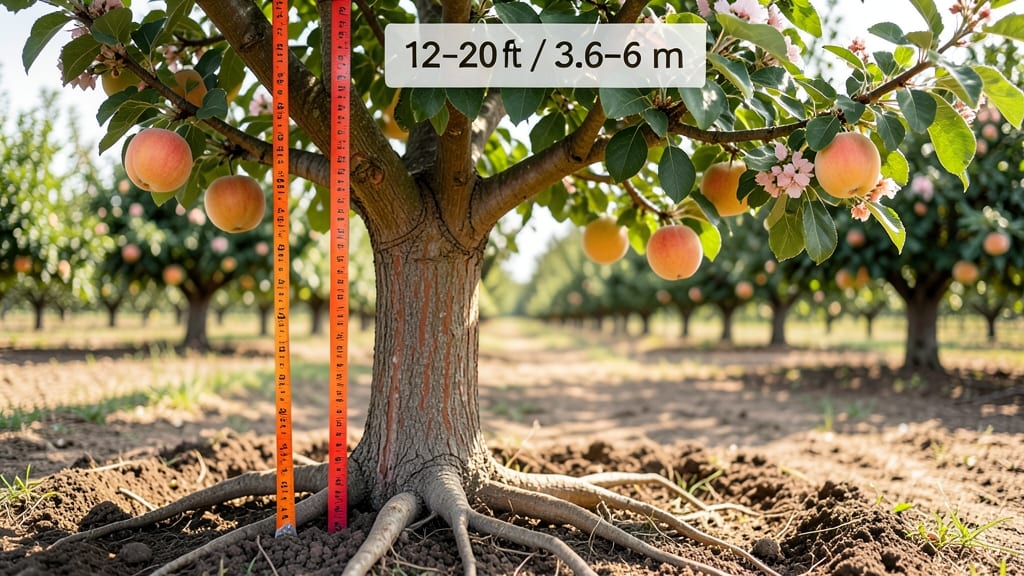
How Tall Do Nectarine Trees Grow: Mature Size Guide by Variety

How To

How Tall Do Nectarine Trees Grow: Mature Size Guide by Variety

A nectarine tree grows to how tall does a nectarine tree grow heights between 10 and 25 feet at maturity, depending on the variety you choose šŸ‘ — but that range can change everything about how you plan your yard.

Picture this: a 20-foot standard tree casting shade over your patio, or a dwarf variety that fits neatly into a small orchard. The difference isn’t just aesthetics—it’s about spacing, pruning, and even how much fruit you can realistically harvest without a ladder.

Below, I’ll break down the height differences between dwarf, semi-dwarf, and standard nectarine trees, plus the spacing rules you need to follow for healthy growth. Whether you’re dreaming of a backyard orchard or just want a single tree, knowing these details upfront saves time (and frustration) later.

You’ll also discover how climate, pruning, and rootstock choices can tweak a tree’s ultimate height—and when to start thinking about dwarfing methods if space is tight. Let’s get into the specifics so you can pick the perfect size for your garden.

Dwarf
8-12 ft
Container friendly
Semi-Dwarf
12-18 ft
Most popular
Standard
20-25 ft
Full orchard size

Nectarine tree height by variety: small vs tall mature sizes

When planning your backyard orchard, nectarine tree height is one of the first things to consider. Unlike peach trees, nectarines grow slightly smaller on average, but their mature size still varies dramatically by variety and rootstock.

A standard nectarine tree can reach 20-25 feet tall, while dwarf varieties stay under 10 feet—making them perfect for small yards or container growing. The key difference lies in the rootstock used during propagation, which controls both height and spread.

Before selecting a variety, measure your space carefully. Nectarine trees need proper spacing to prevent overcrowding, which leads to poor air circulation and disease. A standard tree requires 20 feet of clearance in all directions, while dwarf varieties need just 8-10 feet.

Even semi-dwarf trees, which top out at 12-18 feet, demand 12-15 feet of space to thrive. Ignoring these guidelines can result in stunted growth or reduced fruit production.

Here’s the critical factor: rootstock determines height. Most commercial nectarine trees are grafted onto rootstocks like Lovell (dwarfing), Nemaguard (semi-dwarf), or seedling (standard). The rootstock influences not just height but also cold hardiness, disease resistance, and fruit quality.

For example, Lovell rootstock produces trees that mature at 8-10 feet tall, while seedling rootstock can push a tree to 25 feet or more. Choosing the right rootstock is just as important as selecting the variety itself.

Now, let’s compare 8 popular nectarine varieties by their mature height and spread. This visual guide will help you pick the perfect fit for your garden layout, whether you have a sprawling backyard or a cozy patio.

Variety Rootstock Mature Height Mature Spread Space Needed Best For
Suncrest Lovell (Dwarf) 8-10 ft 6-8 ft 8-10 ft Containers, small yards
Fantasia Lovell (Dwarf) 8-10 ft 6-8 ft 8-10 ft Urban gardens, patios
Redhaven Nemaguard (Semi-Dwarf) 12-15 ft 10-12 ft 12-15 ft Medium yards, orchards
Crimson Snow Nemaguard (Semi-Dwarf) 12-15 ft 10-12 ft 12-15 ft Backyard orchards
Flamecrest Seedling (Standard) 20-25 ft 15-20 ft 20+ ft Large properties, rural farms
Summergrand Seedling (Standard) 20-25 ft 15-20 ft 20+ ft Commercial orchards
Autumn Grand Nemaguard (Semi-Dwarf) 14-16 ft 12-14 ft 15 ft Suburban yards
Springcrest Lovell (Dwarf) 8-10 ft 6-8 ft

How to choose the right nectarine tree size for your space

Selecting the perfect nectarine tree size starts with understanding your space and long-term goals. A standard nectarine tree can reach 20-25 feet tall, while dwarf varieties stay between 8-12 feet. Your yard layout, sunlight access, and even your pruning skills will determine which size suits you best.

Before buying, measure your planting area and consider tree spacing requirements. Standard trees need 20-25 feet between them, while dwarf trees thrive in 10-15 feet of space. Remember, nectarines grow faster in USDA zones 6-9, where they can mature quickly if given proper care.

Here’s how to match your space to the right nectarine tree size:

  • šŸ“ Small Yards (Urban Gardens)
    Choose dwarf varieties (8-12 ft) like 'Fantasy' or 'Redgold'. They fit in 10x10 ft spaces and produce fruit faster.
  • 🌳 Medium-Sized Backyards
    Opt for semi-dwarf trees (12-18 ft) like 'June Gold' or 'Crimson Snow'. These need 15-20 ft spacing and balance size with productivity.
  • šŸ” Large Properties or Orchards
    Plant standard trees (20-25 ft) like 'Flamecrest' or 'Summergrand'. Space them 20-25 ft apart for optimal airflow and sunlight.
  • 🌿 Container Gardening
    Use dwarf rootstock (e.g., 'GF-677') in large pots (24"+ diameter). Limit height to 6-8 ft with regular pruning.

Consider your climate zone—trees in warmer zones (like USDA zone 9) grow taller faster than those in cooler zones (like zone 6).

For example, a standard tree in zone 9 may reach 25 feet in 5 years, while one in zone 6 might take 7-10 years to mature.

If you’re unsure, start with a semi-dwarf tree—they offer a middle ground for fruit production and manageable height. Just ensure you plant it in full sun and well-draining soil to maximize growth potential.

Finally, think about long-term maintenance. Taller trees require more pruning and may need ladder access for harvesting. Dwarf trees are easier to care for but may produce smaller fruit yields compared to their taller counterparts.

ā˜…ā˜…ā˜…ā˜…ā˜…5.0(10 reviews)
Categories How To