
How To
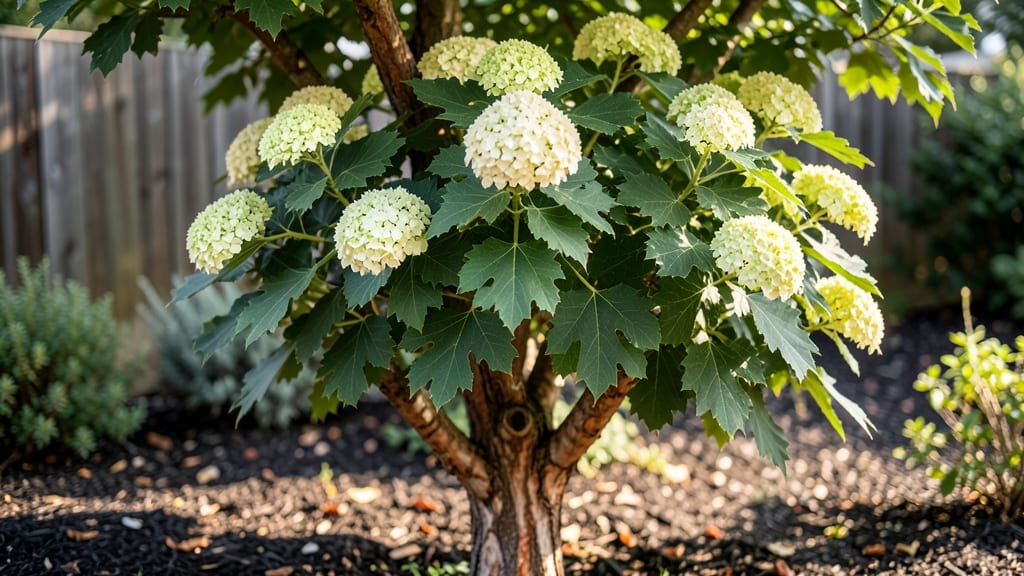
Wondering how tall does a hydrangea tree grow? These plants can range from 6 feet to towering 20 feet—depending on the cultivar, and that’s the first question you’ll need to answer when picking your plant.
If you’re dreaming of a lush, shade-providing hydrangea tree but unsure whether it’ll dwarf your backyard or soar like a skyscraper, you’re not alone. Some varieties, like Hydrangea paniculata, can reach 15 feet or more, while others stay compact enough for small gardens.
The right choice depends on your space—and your patience.
Fast-growing cultivars like ‘Limelight’ or ‘Grandiflora’ can add 3 feet per year in ideal conditions, but soil, sunlight, and pruning habits play a huge role.
Too much sun or neglect can stunt growth, while proper care can turn a 6-foot shrub into a 12-foot statement piece in just a few seasons.
In this guide, I’ll break down the fastest-growing hydrangea trees, how to control their height with pruning, and the 5 key factors that determine whether your hydrangea stays small or stretches for the sky.


Hydrangea tree height ranges: fastest-growing cultivars and their mature sizes
Choosing a hydrangea tree means balancing your garden’s space with your vision for height and shade. Some varieties like Hydrangea paniculata can reach 12-20 feet at maturity, while others like H. arborescens stay compact at 3-5 feet.
Understanding these ranges helps you pick the perfect specimen for your landscape—whether you want a towering focal point or a manageable shrub.
The fastest-growing hydrangea trees belong to the paniculata and quercifolia species, which can add 2-3 feet per year under ideal conditions. These varieties aren’t just tall—they’re also drought-tolerant and low-maintenance, making them ideal for busy gardeners. Let’s explore the top performers and their spacing needs to ensure they thrive.
For maximum height, prioritize Hydrangea paniculata cultivars like 'Limelight' or 'Grandiflora', which can dominate a landscape with their towering presence. These varieties thrive in full sun to partial shade and well-draining soil, making them versatile for various garden zones.
If you’re working with limited space, 'Little Lime' offers the same stunning blooms in a 6-8 foot package.
Spacing is critical for hydrangea trees to develop their full height without crowding. Plant tall varieties like 'Limelight' at least 8-10 feet apart to allow airflow and prevent disease. Smaller types like 'Annabelle' can handle 3-4 feet of space, perfect for foundation plantings or mixed borders.
Always dig a hole twice as wide as the root ball to encourage robust root growth.
Fast growth doesn’t mean neglect. Even the most vigorous hydrangea trees need regular pruning to maintain their shape and encourage vertical growth. For paniculata types, prune in late winter or early spring to remove dead wood and shape the canopy.
Avoid heavy pruning in fall, as this can reduce next year’s blooms. Mulch around the base annually to retain moisture and protect roots from temperature swings.
Soil quality directly impacts how tall your hydrangea tree grows. Amend clay or sandy soil with organic matter like compost or aged manure to improve drainage and nutrient retention. These trees prefer a slightly acidic pH (5.2–6.0), which you can test with a soil kit.
If your soil is alkaline, add sulfur or peat moss to lower the pH gradually over 2-3 months.
Climate plays a role in growth rates too. In USDA Zones 5–9, hydrangea trees flourish with minimal stress, but colder zones may see slower growth in their first few years.
Protect young trees with burlap wraps during winter if your area experiences harsh freezes. In warmer climates, provide afternoon shade to prevent leaf scorch, especially for paniculata varieties.
If you’re aiming for a privacy screen or shade tree, pair a hydrangea with complementary plants like ornamental grasses or azaleas. These combinations create layered interest while maximizing vertical space. Just remember: the taller the hydrangea, the more sturdy the support
How to prune hydrangea trees for controlled growth and maximum height
Pruning your hydrangea tree isn’t just about shaping its silhouette—it’s the key to controlling its vertical growth and ensuring those showstopping blooms. The right cuts at the right time can transform a sprawling shrub into a tall, structured focal point or keep a fast-growing variety from outpacing your garden’s design.
But timing and technique matter—prune at the wrong moment, and you might sacrifice next year’s flowers or stunt its height entirely.
Hydrangeas fall into three main pruning groups: those that bloom on old wood (like Hydrangea macrophylla), those that bloom on new wood (like Hydrangea paniculata), and those that do both. Each type requires a different approach to maximize height while maintaining health.
For example, paniculata varieties can grow 10–20 feet tall if left unchecked, while Annabelle hydrangeas stay compact unless you encourage upward growth with strategic cuts.
Step-by-Step Pruning Guide for Hydrangea Trees
- Step 1: Identify your hydrangea type. Paniculata and arborescens bloom on new wood—prune in late winter to encourage tall, vigorous growth.
- Step 2: Use clean, sharp pruners to cut back 1/3 of the oldest stems to the ground. This stimulates vertical growth and rejuvenates the plant.
- Step 3: For height control, trim top growth by 1/2 in early summer after blooms fade. This redirects energy upward.
- Step 4: Remove dead or crossing branches year-round to prevent overcrowding and disease. Aim for an open center to promote airflow.
- Step 5: Avoid heavy pruning in fall—this can leave stems vulnerable to winter damage and reduce next year’s blooms.
Pro Tip: For paniculata varieties, prune after flowering to preserve next year’s blooms while still encouraging height.
One of the biggest mistakes gardeners make is pruning hydrangeas that bloom on old wood (like macrophylla) in late winter or early spring. These varieties set buds the previous year, so aggressive cuts can mean no flowers for the season.
Instead, wait until right after blooming in summer to shape them. For height-focused pruning, focus on selective thinning—removing the innermost branches first to create a taller, more open structure.
If your hydrangea tree is sprawling instead of soaring, the issue might be overcrowded branches or insufficient sunlight. Thin out lower branches to redirect energy upward, and ensure it gets at least 4–6 hours of sunlight daily.
Mulching around the base also encourages root growth, which supports taller stems. Just remember: never prune more than 1/3 of the plant in a single season, or you risk shocking the roots and stunting growth.
For maximum height, combine pruning with fertilization in early spring. Use a balanced 10-10-10 fertilizer to fuel vertical growth, and water deeply once a week during dry spells.
With the right cuts and care, your hydrangea tree can reach its full potential height—whether that’s a 6-foot shrub or a 20-foot tree—while staying healthy and blooming abundantly.
🌿